Planning a weekend nature reset has become a practical lifestyle consideration for people managing long work hours, constant connectivity, and overlapping family responsibilities. This approach focuses on creating intentional time in natural settings that supports mental clarity and physical ease without promising emotional transformation. Wellness educators commonly describe a nature reset as a supportive lifestyle pause rather than a solution to stress, fatigue, or overwhelm.
A weekend format is widely used because it fits within existing work schedules and caregiving routines. Short, intentional breaks are often easier to repeat than long retreats, especially for working professionals and parents. When planned carefully, a weekend nature reset supports rest and awareness without adding pressure, complexity, or unrealistic expectations.
This guide explains how to plan a weekend nature reset using grounded lifestyle principles informed by environmental psychology and wellness education. Each section emphasizes safety, clarity, and emotional responsibility. The purpose is to offer structured information that supports informed decisions rather than promising outcomes.
How to Plan a Weekend Nature Reset: Understanding the Core Idea of a Weekend Nature Reset
A weekend nature reset refers to intentionally spending uninterrupted time in a natural environment to allow mental and sensory rest. Wellness educators often frame this as stepping away from overstimulating surroundings rather than fixing stress or emotional strain. The focus stays on environmental exposure, reduced demands, and predictable rhythms over a short, manageable timeframe.
This idea connects with cognitive restoration theory, which suggests that natural settings place fewer demands on directed attention. Soft sensory input such as trees, water, and open space allows mental effort to ease without active control. Many people experience this as a gentle settling rather than a noticeable shift.
A nature reset does not require adventure, endurance, or productivity goals. It also does not depend on spiritual practices or personal insight. Its value comes from simplicity, routine, and the chance to experience time without constant interruption.
Why Nature Exposure Is Often Used as Lifestyle Support
Human nervous systems evolved in close contact with outdoor environments, which wellness education often cites when explaining why nature feels regulating. Exposure to daylight, natural sounds, and organic visual patterns is commonly associated with calm and attentional ease. These effects are described as supportive rather than medical or therapeutic.
Research in environmental health frequently links outdoor time with perceived wellbeing and mood stability. These findings are observational and describe general patterns across populations. They do not imply treatment, prevention, or guaranteed effects for individuals.
A weekend nature reset uses this general relationship between environment and experience. By creating time in natural surroundings with fewer demands, people often notice a sense of steadiness. This can feel especially helpful for those balancing work deadlines, caregiving, and household responsibilities.
Planning With Realistic Expectations
Effective planning begins with realistic expectations about what a weekend nature reset offers. Lifestyle guidance consistently suggests approaching these breaks as supportive experiences rather than fixes. Expecting rest or mental space can be helpful, while expecting lasting emotional change often adds pressure.
A reset does not remove daily responsibilities or long-term challenges. It simply creates temporary distance from routine stimulation. This framing supports emotional safety and helps avoid disappointment when everyday concerns return after the weekend.
Setting intentions around rest, observation, and simplicity often leads to a more balanced experience. Many wellness educators recommend avoiding goals tied to productivity, insight, or improvement. Allowing the time to unfold naturally tends to feel more supportive.
Choosing an Appropriate Natural Environment
Selecting the right environment plays a central role in how a nature reset feels. Accessibility, familiarity, and perceived safety often matter more than scenic appeal. Locations that require minimal travel reduce planning stress and preserve energy for rest and presence.
Common choices include nearby forests, lakesides, hill stations, rural homestays, or protected parks. These spaces usually offer natural sensory input without requiring advanced outdoor skills. For families or first-time participants, places with basic amenities often feel more supportive.
Wellness guidance generally advises against choosing locations that feel intimidating or demanding. Concerns about navigation, weather, or safety can increase vigilance. Comfort allows attention to remain on rest rather than constant monitoring.
Balancing Solitude and Social Needs
Some people associate a nature reset with solitude, while others prefer shared time with family or close companions. Both approaches are commonly used in lifestyle wellness contexts. Emotional comfort is usually more important than following a specific model.
Solo resets often allow uninterrupted quiet and personal reflection. They are typically chosen by people comfortable managing logistics independently. In these cases, conservative planning and clear safety measures become especially important.
Shared resets support connection and reduce practical effort. For parents and caregivers, shared experiences may be the most realistic option. Setting gentle boundaries around schedules, noise, and screen use helps preserve a calm atmosphere.
Understanding the Role of Time in Nature Exposure
Wellness research often references time thresholds when discussing nature exposure. Observational studies suggest that about two hours per week in natural environments is commonly associated with reported wellbeing. These findings describe trends, not guarantees.
A weekend nature reset naturally accommodates this timeframe. Time can be spread across walking, sitting, and light exploration. The emphasis remains on presence rather than activity.
More time does not always mean greater benefit. Fatigue or overstimulation can arise if schedules become too full. Leaving space for unstructured time supports balance and comfort.
Creating a Simple and Flexible Schedule
A simple schedule helps reduce cognitive load during a nature reset. Wellness educators often suggest planning only essentials such as meals, rest, and optional walks. Overplanning can recreate the urgency many people are trying to step away from.
Flexibility allows the experience to adapt to energy levels, weather, and mood. Some periods may suit quiet sitting, while others feel better for movement. Adjusting without judgment helps maintain ease.
For families and working parents, predictable anchor points can help. Shared meals and clear rest times support both adults and children. This balance offers structure without rigidity.
Managing Digital Use During the Reset
Digital boundaries are central to planning a weekend nature reset. Continuous connectivity is widely linked with mental fatigue and fragmented attention. Reducing digital input is commonly used as a supportive practice rather than a strict rule.
Many people limit phone use to essential communication and safety. Turning off non-essential notifications reduces habitual checking. Letting others know in advance helps set expectations and ease concern.
Replacing work screens with entertainment screens often limits the benefit. Reading, journaling, or observing surroundings supports sensory engagement. These choices help maintain the purpose of the reset.
Understanding the Impact of Reduced Stimulation
Reduced stimulation allows the nervous system to shift away from constant alertness. Wellness educators often describe this as returning to a steadier baseline. Natural environments support this shift through predictable, non-demanding sensory input.
Without frequent alerts, attention tends to widen gradually. Environmental details often become noticeable again. This process supports awareness without effort.
Initial restlessness or boredom is common. Wellness education frames this as part of adjustment rather than a problem. Allowing these sensations to pass supports emotional balance.

Packing for Comfort and Safety
Thoughtful packing supports comfort and reduces distraction. Wellness-oriented packing focuses on warmth, hydration, nourishment, and safety rather than specialized gear.
Layered clothing accommodates temperature changes. Breathable base layers, insulating mid-layers, and weather-resistant outer layers support comfort. Avoiding fabrics that retain moisture helps maintain warmth.
Basic safety items such as lighting, first aid supplies, and navigation tools offer reassurance. Feeling prepared allows attention to stay on rest rather than worry. Overpacking is usually discouraged.
Approaching Food and Nutrition Simply
Food planning during a nature reset is often kept simple. Wellness guidance emphasizes nourishment rather than dietary goals. Familiar meals support energy without adding effort.
Preparing ingredients in advance reduces campsite work. One-pot meals, fruits, and simple snacks are common choices. Staying hydrated remains important, especially during light activity.
There is no expectation to follow specific eating patterns. Eating slowly and attentively often feels supportive. This approach aligns with everyday lifestyle guidance.
Introducing Gentle Mindfulness Practices
Mindfulness during a nature reset is usually informal and accessible. It does not require structured sessions or training. Wellness educators describe it as simple attention to sensory experience.
Noticing sounds, textures, or changes in light supports awareness. These practices are adaptable for different ages and comfort levels. They are considered safe and non-intrusive.
Mindfulness here is not used to manage emotions or symptoms. It simply supports engagement with the environment. Letting experiences arise naturally supports neutrality.
Understanding the Sit Spot Practice
A sit spot involves choosing one outdoor place to sit quietly for a set time. This practice appears in nature education and mindfulness settings. It emphasizes observation over movement.
Returning to the same spot allows subtle patterns to emerge. Changes in sound, light, and activity become noticeable. This supports sustained attention without effort.
Sit spot sessions are often brief, ranging from ten to thirty minutes. There is no need to reflect or analyze. Presence alone aligns with the intent.
Managing Physical Activity During the Reset
Physical activity during a weekend nature reset is usually gentle. Walking, stretching, or light hiking are common. The focus remains on comfort rather than fitness.
Moving at a slower pace allows attention to remain on surroundings. Pausing often supports rest and observation. Activity remains optional.
People with health considerations are encouraged to choose manageable options. The reset is not about testing limits. Listening to physical cues supports safety.
Addressing Safety and Risk Awareness
Safety planning is essential for any outdoor time. Sharing location details and timelines with a trusted contact is commonly recommended. This supports reassurance.
Understanding local conditions such as weather and terrain helps planning. Wellness guidance emphasizes awareness rather than fear. Simple precautions reduce risk.
Solo participants often benefit from conservative planning. Familiar locations and marked paths reduce uncertainty. Preparedness supports ease.
Supporting Parents and Working Mothers
Parents and working mothers often need additional coordination when planning a nature reset. Childcare, household duties, and work transitions shape what is realistic. Wellness guidance acknowledges these constraints.
Shorter or shared resets may feel more achievable. Including children in simple outdoor activities supports inclusion. Clear expectations help maintain calm.
Working mothers often benefit from resets focused on rest. Familiar environments and minimal preparation reduce mental load. This supports balance over aspiration.
Integrating the Experience After Returning Home
Integration refers to how insights carry into daily routines. Wellness educators note that contrast often highlights draining habits. Observing this without urgency supports safety.
Small adjustments are usually more sustainable. Limiting notifications at certain times or adding brief outdoor breaks can extend benefits. These changes remain optional.
Integration does not require preserving a specific feeling. It involves remembering what felt manageable. This avoids pressure.
Maintaining Long-Term Relationship With Nature
A weekend nature reset can be part of an ongoing pattern. Regular, brief nature exposure is often encouraged. Daily walks or park visits support familiarity.
Consistency matters more than intensity. Frequent exposure supports comfort and ease. This suits urban lifestyles.
Seeing nature as a regular resource supports realistic expectations. This aligns with long-term wellbeing.
Frequently Asked Questions

How long does a weekend nature reset usually last
A weekend nature reset usually lasts two to three days and aligns with standard work schedules. This duration allows reduced stimulation and outdoor exposure without extended leave. Wellness guidance presents this timeframe as supportive rather than required.
Is a weekend nature reset suitable for beginners
A weekend nature reset is generally suitable for beginners when planned conservatively. Choosing accessible locations and simple routines supports comfort. No prior outdoor experience is required for basic nature exposure.
Can a nature reset be done with family members
A nature reset can include family members when expectations are adjusted. Shared meals and gentle activities support calm. Flexibility often matters more than solitude.
Does a nature reset require mindfulness or meditation experience
Mindfulness experience is not required. Informal attention to surroundings is enough. This is described as everyday awareness.
Is it necessary to avoid all digital devices
Avoiding all devices is not required. Many limit use to safety and essential communication. Reducing non-essential use often feels supportive.
What kind of accommodation works best
Accommodation that feels safe and simple works best. Cabins or homestays are common choices. Comfort matters more than luxury.
Can a nature reset help with ongoing stress
Nature resets are used as lifestyle support. They are not treatment or prevention strategies. Some people feel temporarily more settled.
Is physical fitness required for a nature reset
Physical fitness is not required. Activities can be adapted. Rest is equally valid.
How often can a weekend nature reset be planned
There is no set frequency. Some plan seasonally. Preference and access guide decisions.
What should be avoided during a nature reset
Overplanning and unrealistic expectations are commonly avoided. Simplicity supports the purpose.
Conclusion
Planning a weekend nature reset offers a practical way to create space within busy routines for rest and environmental connection. When approached with realistic expectations and thoughtful preparation, it supports ease without making therapeutic claims. As part of a balanced lifestyle, nature resets provide a calm way to step back from constant stimulation.
Medical Disclaimer
This content is for informational purposes only and does not constitute medical advice. It is not intended to diagnose, treat, cure, or prevent any disease. Consult a qualified healthcare provider before starting new health routines, especially if you have existing conditions.
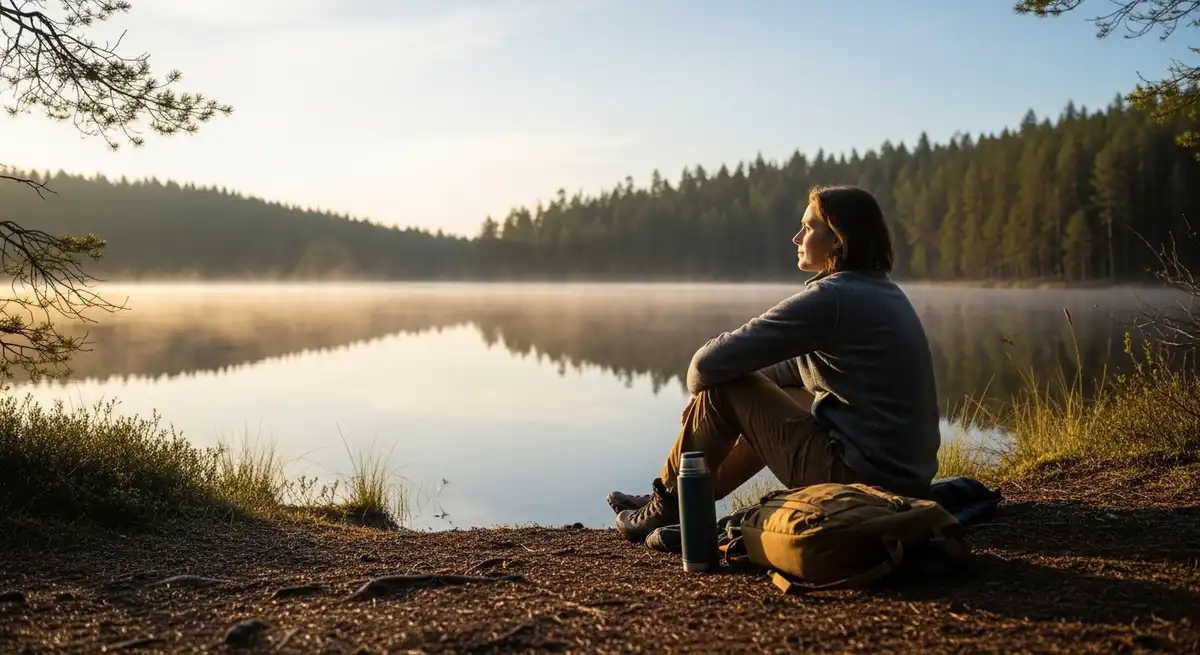
Prompt 1: Featured Image A wide-angle photorealistic scene of a person sitting quietly beside a forest lake at sunrise, minimal gear nearby, no phone visible. Editorial wellness photography style, soft natural lighting, muted greens and blues, calm reflective mood, rule-of-thirds composition, shallow depth of field, horizontal orientation, inclusive adult subject, realistic attire, professional magazine quality.
Prompt 2: Supporting Concept Image Close-up instructional scene showing layered outdoor clothing neatly arranged beside a backpack on natural ground. Clean, minimalist composition, neutral earth tones, soft daylight, educational tone, high clarity focus, editorial lifestyle photography, accessible representation, horizontal layout suitable for blog section headers.
Prompt 3: Inspirational Image Golden-hour image of a diverse adult walking slowly along a wooded trail, relaxed posture, natural expression, no fitness pose. Warm lighting, earthy palette, peaceful mood, candid lifestyle photography style, shallow depth of field, balanced composition, aspirational yet realistic wellness aesthetic.
For wider background on this, see the American Psychological Association on stress.