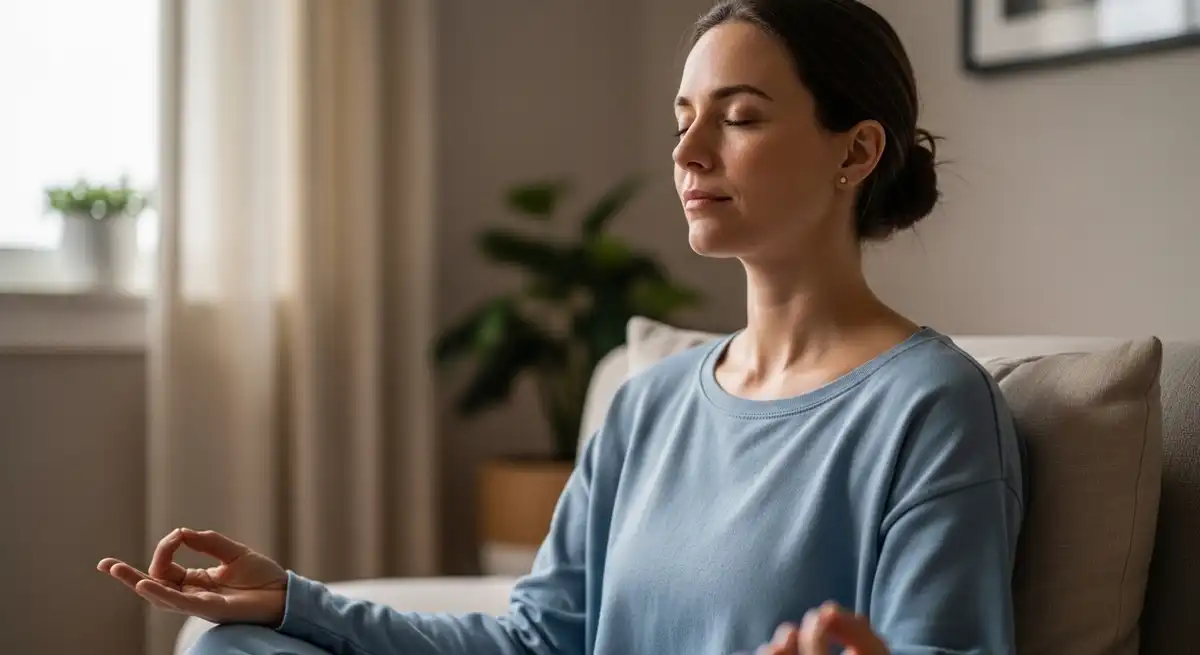
Visualization meditation is commonly described in wellness education as a gentle way to use imagination to support emotional steadiness and everyday stress awareness. Rather than aiming to quiet thoughts completely, this approach gives the mind a clear point of focus through simple imagery. Many people find it approachable because it builds on a natural human ability to picture scenes, colors, or sensations without requiring silence or advanced training.
Daily life often involves juggling work responsibilities, family needs, social expectations, and constant digital input. Over time, this steady mental load can make it difficult to pause or feel mentally settled, even during rest periods. Visualization meditation is often introduced as a practical lifestyle habit that fits into ordinary routines, offering brief moments of mental rest without demanding major changes.
From an editorial wellness perspective, visualization meditation is educational and supportive rather than therapeutic. It does not claim to diagnose, treat, or resolve mental health conditions, and it is not positioned as a replacement for professional care. Instead, it is generally presented as a personal wellbeing practice that helps people notice internal states and respond to daily pressures with more awareness and steadiness.
Understanding Visualization Meditation in Everyday Terms
Visualization meditation refers to the intentional use of mental images to guide attention toward calm, neutral, or stabilizing experiences. These images may include places, colors, light, or familiar scenes that feel emotionally safe or grounding. Wellness educators often explain this practice as a way to gently redirect attention when the mind feels busy or overstimulated.
Unlike approaches that rely only on observing thoughts as they appear, visualization meditation provides structure. That structure can feel reassuring, especially for people who struggle with open ended meditation styles. By giving the mind something specific to focus on, the practice can reduce mental wandering without force or effort.
In everyday routines, visualization meditation is usually practiced for short periods. Many people include it in morning quiet time, before sleep, or during brief breaks in the day. The emphasis is on regular, realistic use rather than long or intensive sessions, which helps the practice remain sustainable.
How Mental Imagery Supports Emotional Regulation
Mental imagery plays an important role in how people experience thoughts and emotions. The brain often responds to imagined situations in ways similar to real ones, particularly when images feel familiar or calming. This response explains why visualization meditation is commonly linked with a sense of mental settling or emotional ease.
With regular practice, visualization meditation can support awareness of internal reactions. Instead of feeling swept along by stress or frustration, people may notice physical sensations and thought patterns earlier. This awareness can create space for more considered responses, which many wellness educators view as a useful everyday skill.
This process is not about controlling emotions or avoiding stress altogether. Visualization meditation is framed as a way to acknowledge emotional experiences while offering the nervous system a calmer reference point. The focus remains on familiarity and observation rather than change or correction.
The Role of the Nervous System in Visualization Practices
Wellness education often explains visualization meditation through basic nervous system function. Calm imagery combined with steady breathing is commonly associated with the body’s relaxation response. This state is linked with slower breathing, reduced muscle tension, and a general sense of physical ease.
The nervous system constantly adjusts based on perceived demands and safety cues. Visualization meditation offers a brief signal of safety by directing attention to non threatening mental images. Repeated exposure to this signal may support more balanced responses to everyday stressors over time.
This explanation is informational rather than clinical. Individual responses differ, and outcomes are not guaranteed. Visualization meditation is best understood as one lifestyle habit among many that can contribute to general wellbeing when practiced gently and consistently.
Diaphragmatic Breathing as a Foundation
Diaphragmatic breathing is often taught alongside visualization meditation as a supportive skill. This type of breathing involves gentle expansion of the abdomen instead of shallow chest movement. Lifestyle guidance suggests it encourages a calmer physical state that makes imagery easier to hold.
In daily practice, diaphragmatic breathing is slow and relaxed. Many people place a hand on the abdomen to notice movement and keep breathing natural. The goal is comfort and awareness rather than depth or control.
This breathing style is not a medical technique. It is commonly introduced as a simple awareness exercise that pairs well with visualization meditation. People with existing health concerns are advised to proceed carefully and seek professional advice if discomfort occurs.
Safe Place Visualization as Emotional Grounding
Safe place visualization is a widely taught form of visualization meditation. It involves imagining a location that feels familiar, neutral, or calm, such as a quiet room or natural setting. The purpose is to create a sense of mental stability, not to escape reality.
This approach is often used during moments of heightened mental activity. By focusing on sensory details like light, temperature, or sound, attention shifts away from external demands. Many people find this helps them pause before reacting to stress.
In wellness contexts, safe place visualization is described as flexible. The imagined setting can change, and there is no correct image. Personal comfort and adaptability are emphasized over accuracy or vivid detail.
Color Breathing as a Simple Visualization Method
Color breathing pairs imagined colors with inhalation and exhalation. A calming color is often linked with breathing in, while a heavier or neutral color is linked with breathing out. This structure creates rhythm and focus during visualization meditation.
The technique is frequently used in family and educational settings because it is easy to understand. Both children and adults can follow it without complex instruction. Short practice periods make it suitable for transitions or brief pauses.
Color breathing does not rely on symbolism or belief systems. It is presented as a focusing method that combines imagination with steady breathing. Many people use it to slow down during busy moments or before rest.
Golden Light Visualization for Body Awareness
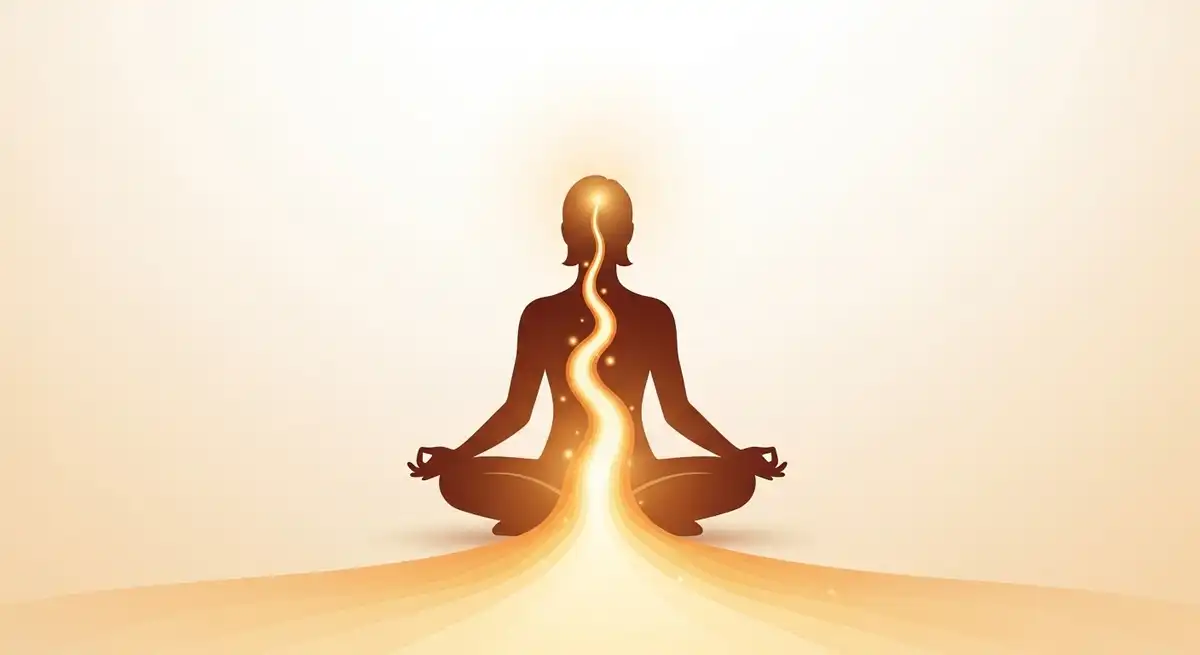
Golden light visualization involves imagining a gentle, warm light moving through the body from head to feet. This imagery supports awareness of physical sensations without judgment or analysis. It is commonly paired with a gradual body scan.
As attention moves through different areas, people may notice tension, warmth, or neutrality. The aim is simple observation rather than change. This helps build a calm relationship with bodily sensations.
This visualization style is adaptable. Some people focus on warmth, others on brightness or softness. There is no expectation of specific sensations, which keeps the practice supportive and non demanding.
Visualization Meditation in Daily Routines
Visualization meditation works best when woven into existing routines. Many wellness educators suggest linking it to habits like waking up, preparing for bed, or taking short breaks. This reduces the effort of scheduling something new.
Short sessions are often enough to create a mental pause. Even a few minutes can help reset attention. Consistency matters more than length, especially for busy schedules.
No special environment is required. Visualization meditation can be practiced seated, lying down, or standing quietly. This flexibility supports use in homes, workplaces, or shared spaces.
Parenting and Family Life Considerations
Parents often experience constant demands on attention and energy. Visualization meditation is sometimes introduced as a quiet personal habit that fits around caregiving responsibilities. Short moments of imagery in the morning or evening can feel manageable.
Some families also practice simple visualization together. Techniques like color breathing can be shared in age appropriate ways. These activities are presented as calming habits, not tools for behavior control.
In family settings, visualization meditation supports modeling emotional awareness. Children see that pausing to regulate attention is acceptable. This approach emphasizes healthy habits without pressure for emotional outcomes.
Working Life and Professional Environments
Working adults often face continuous mental demands. Visualization meditation is sometimes used as a brief transition between tasks or meetings. Imagery creates a mental boundary without disengaging from responsibilities.
In professional environments, the practice is usually discreet. It requires no visible actions or extended breaks. This makes it practical for offices, remote work, or shared spaces.
Wellness guidance frames visualization meditation as support for clarity rather than performance. The intention is steadiness and focus, not productivity gains. This keeps expectations realistic and balanced.
Managing Expectations Around Visualization Meditation
Realistic expectations are central to responsible wellness education. Visualization meditation is not positioned as a solution to complex emotional or mental health challenges. Benefits are described as gradual and variable.
Some people notice calming effects quickly, while others experience subtle shifts over time. Both responses are considered normal. The practice builds familiarity rather than delivering results.
A neutral attitude toward outcomes helps sustain the habit. Visualization meditation is framed as supportive, not obligatory. This perspective aligns with broader lifestyle guidance focused on consistency.
Safety and Emotional Responsibility
Visualization meditation is generally considered safe when practiced gently. Awareness of personal comfort is emphasized. If imagery causes discomfort, the practice can be adjusted or paused.
For individuals with trauma histories or intense emotional distress, professional guidance is recommended. Visualization meditation is not a substitute for therapy or mental health care.
Educational resources stress autonomy. Opening the eyes, changing posture, or shifting attention is always acceptable. This reinforces emotional safety and trust.
Relationship to Mindfulness Principles
Visualization meditation is often discussed alongside mindfulness. Mindfulness focuses on observing present experiences, while visualization meditation introduces imagery to guide attention.
Both practices support awareness but use different methods. Visualization offers structure, which some people prefer. The two can be used separately or together.
Wellness education avoids ranking practices. Choice depends on preference and situation. This balanced approach respects individual differences.
Building Consistency Without Pressure
Consistency is commonly highlighted as more important than duration. Small, regular sessions are easier to maintain than occasional long ones.
Many people choose a consistent cue, such as bedtime or waking, to support habit formation. This reduces decision making and supports follow through.
Missed sessions are treated neutrally. Wellness guidance discourages guilt. Visualization meditation is a supportive habit, not a requirement.
Visualization Meditation and Sleep Routines
Visualization meditation is often included in evening routines. Calm imagery can signal the transition toward rest. This use is framed as preparation, not treatment.
Imagery before bed is usually gentle. Natural scenes or body awareness are common. The focus is on slowing mental activity.
Responses vary. Some find visualization helpful, others prefer different methods. Flexibility is encouraged.
Cultural and Accessibility Considerations
Visualization meditation is culturally neutral. It does not depend on belief systems or traditions. This supports broad accessibility.
It also requires no special equipment or physical ability. It can be practiced in small spaces at no cost.
These features align with inclusive wellness standards. Practices are optional tools, not universal solutions.
Long Term Perspective on Visualization Practices
Over time, visualization meditation may support familiarity with internal experiences. This can make daily stress feel more manageable.
There are no fixed outcomes. Experiences change with life circumstances and consistency. This variability is normal.
Visualization meditation fits best within a broader lifestyle approach that includes rest, movement, and connection.
Frequently Asked Questions
Does visualization meditation actually work
Visualization meditation is commonly associated with feelings of calm and improved focus when practiced regularly. Many people report subjective benefits, though experiences vary widely. It is generally considered a supportive lifestyle practice rather than a method that guarantees specific outcomes.

What is the difference between meditation and visualization
Meditation often involves observing thoughts or sensations, while visualization meditation uses intentional imagery. Visualization provides structure that some people find easier. Both support awareness but guide attention differently.
How do beginners start visualization meditation
Beginners usually start with simple imagery and short sessions of a few minutes. Comfort and familiarity are emphasized over precision. Pairing imagery with gentle breathing often helps.
How long should visualization meditation be practiced
Short daily sessions are commonly recommended. Five to ten minutes is often enough to build familiarity. Longer sessions depend on personal comfort.
What if images do not appear clearly
Visualization meditation does not require vivid images. Sensations or impressions are acceptable. The practice adapts to individual imagination styles.
Is visualization meditation suitable for working professionals
Visualization meditation is often used as a brief mental pause during workdays. Its discreet nature supports use without disruption. It is framed as a focus support tool.
Can visualization meditation be used with children
Simple visualization techniques are often shared with children in age appropriate ways. They are presented as calming activities, not behavior tools. Flexibility is key.
Does visualization meditation replace mindfulness
Visualization meditation does not replace mindfulness. Some people use both depending on needs. Wellness education supports choice.
Is visualization meditation safe for everyone
Visualization meditation is generally safe when practiced gently. Adjustments are encouraged if discomfort occurs. Professional guidance is recommended for significant emotional challenges.
When is visualization meditation most helpful
Visualization meditation is commonly used during transitions or before rest. Its flexibility allows use at different times. It supports awareness rather than specific results.
Editorial Conclusion
Visualization meditation is a gentle, adaptable wellness practice that uses imagination to support emotional steadiness. Its strength lies in accessibility and consistency rather than dramatic outcomes. Practiced with neutral expectations and respect for personal limits, visualization meditation can remain a steady part of balanced daily living.
Medical Disclaimer
This content is for informational purposes only and does not constitute medical or mental health advice. It is not intended to diagnose, treat, cure, or prevent any condition. Consult a qualified healthcare professional for personal medical or mental health concerns.
For wider background on this, see the National Heart, Lung, and Blood Institute on sleep.