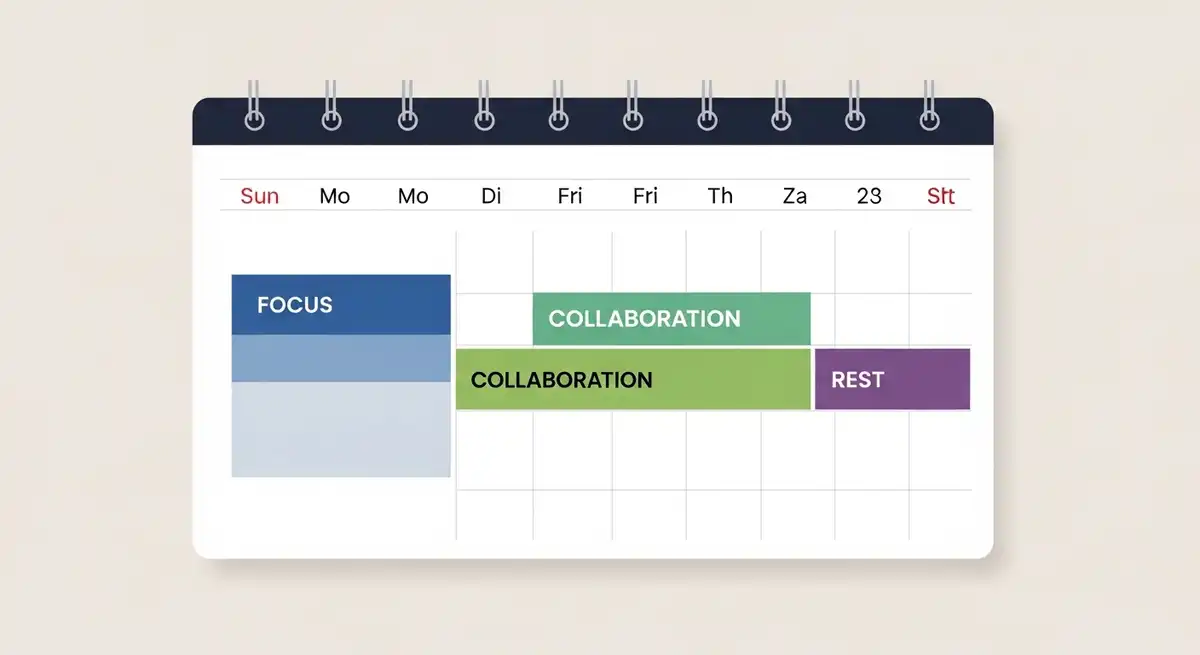

A weekend reset is commonly used as a gentle way to regain balance after a demanding week, especially for working adults and parents managing multiple responsibilities. Instead of chasing productivity or perfection, it focuses on restoring basic order, emotional steadiness, and practical readiness in everyday life. This framing aligns with public wellness education that values realistic routines over pressure driven self improvement.
In many households, weekends become crowded with unfinished chores, digital noise, and lingering work concerns that never fully switch off. When rest lacks structure, mental fatigue often carries into Monday, shaping mood, focus, and patience. A weekend reset offers a calm framework that supports both physical spaces and mental clarity without relying on extreme change or rigid schedules.
This guide explains the weekend reset as a lifestyle support practice informed by environmental psychology, mindfulness principles, and habit research. Each section expands common reset elements into clear, safe explanations suitable for busy adults, including parents and working mothers. The emphasis remains educational, emotionally responsible, and consistent with health editorial standards.
Weekend reset: Understanding the Weekend Reset as a Lifestyle Practice
The weekend reset is generally understood as a short, intentional period dedicated to restoring basic order in one’s environment and routine. It often includes light cleaning, simple planning, nourishment preparation, and rest, completed over one or two days. Wellness educators describe it as a supportive lifestyle habit rather than a productivity system or mental health method.
Unlike deep cleaning sessions or strict planning frameworks, a weekend reset works best when flexible and limited in scope. Many people use it to reduce background stress created by clutter, disorganization, and uncertainty about the upcoming week. By addressing small, practical factors, the reset supports a steadier emotional baseline.
For parents and working professionals, this approach respects limited time and energy. It accepts that rest and preparation can coexist without conflict or guilt. Over time, the reset becomes less about fixing life and more about maintaining a livable rhythm that supports focus and emotional balance.
The Relationship Between Environment and Mental Load
Environmental psychology research consistently shows that physical surroundings influence cognitive and emotional load. Visual clutter, poor lighting, and disorganized spaces can increase mental effort, even when consciously ignored. Over time, this background strain contributes to fatigue, irritability, and reduced concentration.
A weekend reset addresses this by gently improving spatial clarity rather than eliminating belongings. Clear surfaces, defined storage, and predictable layouts reduce the number of visual decisions the brain must process. Many people notice a subtle sense of calm when their space feels easier to understand.
For households with children, environmental order also supports shared routines. When spaces are intuitive, transitions like mornings and bedtime feel smoother. This benefits adults and children alike by reducing friction without relying on strict control or constant reminders.
Stress Recovery Theory and Restorative Spaces
Stress Recovery Theory explains how certain environments help the body return to a calmer physiological state after stress exposure. Natural light, open views, and non threatening visual elements are often associated with lower muscle tension and steadier heart rate. These effects can occur with brief exposure and do not require major changes.
During a weekend reset, incorporating restorative cues supports this natural recovery. Opening curtains, adjusting lighting, or adding simple natural elements like plants can shift how a room feels. These changes operate quietly in the background rather than demanding attention.
This approach is especially relevant for working mothers who often experience cumulative stress across many roles. Restorative environments support recovery without adding tasks to an already full schedule. The space itself becomes more supportive of rest throughout the week.
Attention Restoration Theory and Mental Fatigue
Attention Restoration Theory describes how focused mental effort leads to fatigue over time. When attention is constantly directed toward tasks, screens, and problem solving, concentration weakens and irritability increases. Restoration occurs when the mind engages with gentle, non demanding stimuli.
A weekend reset often includes activities that naturally support this process, such as organizing a shelf, folding laundry, or spending time near windows. These activities allow attention to shift without disengaging completely. The mind recovers through soft engagement rather than total inactivity.
For parents balancing work and caregiving, this distinction matters. Rest does not always mean stopping everything. Gentle, absorbing activities can restore attention while still feeling purposeful and grounding.
Mindful Decluttering as Everyday Support
Mindful decluttering refers to organizing possessions with awareness rather than urgency or judgment. It focuses on function and ease of use instead of aesthetic ideals. Many people find this approach less overwhelming than large scale decluttering efforts.
During a weekend reset, mindful decluttering is usually done in short sessions. Targeting one drawer, shelf, or surface allows progress without exhaustion. This pacing supports consistency, which is more sustainable than occasional intensive efforts.
Emotionally, this method respects attachment to objects and memories. It avoids forcing decisions and instead prioritizes daily usefulness. This makes it suitable for shared family spaces where compromise and flexibility are necessary.
Using the Three Category Sorting Method Safely
The three category sorting method involves grouping items into keep, pass along, or discard categories. This structure simplifies decision making by limiting choices at one time. Behavioral research suggests fewer options reduce mental strain and decision fatigue.
In everyday use, this method helps people move forward without perfectionism. Items placed in a pass along category can be reviewed later, reducing pressure. This pacing supports emotional comfort, especially for those who associate objects with responsibility or identity.
For families, this method encourages shared decision making. Children can participate in age appropriate ways, learning about care and usefulness rather than loss. This supports household cooperation without unnecessary conflict.
Refreshing the Sleep Environment Gently
The sleep environment plays a significant role in daily energy and mood. Clean bedding, comfortable temperatures, and reduced noise support consistent sleep patterns. These factors are commonly highlighted in public health sleep education.
A weekend reset often includes refreshing the bedroom as a symbolic transition. Changing sheets and clearing small surfaces signal closure of the previous week. This ritual element supports mental separation between work time and rest time.
For working mothers, sleep quality directly affects emotional regulation and patience. Improving sleep cues through environment rather than strict schedules respects fluctuating demands. Small changes can support better rest without additional pressure.
The Practice of Brief Ventilation and Air Quality
Brief ventilation involves opening windows for short periods to exchange indoor air. Indoor air quality is associated with comfort, alertness, and perceived freshness. This practice does not require special equipment or long durations.
Including ventilation in a weekend reset refreshes both space and perception. Fresh air can make rooms feel renewed without cleaning every surface. Many people associate this step with a clear start.
In shared households, this practice is simple and inclusive. It does not disrupt routines and can be adapted to climate and safety needs. The emphasis remains on comfort rather than rules.
Sensory Regulation Through Scent
Scent is closely linked to memory and emotional processing. Certain scents are commonly associated with relaxation or alertness, although responses vary by person. Public wellness guidance frames scent use as optional and supportive.
During a weekend reset, light scent use can help define spaces. Calming scents may be used in bedrooms, while fresh scents suit kitchens or work areas. This creates gentle sensory boundaries within the home.
Safety matters when using scented products. Dilution, ventilation, and sensitivity awareness are important. This ensures scent remains a comfort rather than a source of irritation.

Biophilia and Indoor Nature Elements
The biophilia concept suggests humans benefit from contact with natural elements. Indoor plants, natural materials, and views of greenery are commonly linked with perceived wellbeing. These elements complement indoor living rather than replacing outdoor time.
Adding or caring for plants during a weekend reset offers ongoing support. Plants require attention but not constant effort, creating a balanced sense of responsibility. This can feel grounding rather than demanding.
For families, plants also provide shared care opportunities. Children can learn simple routines without pressure. This supports connection to environment in a practical, everyday way.
Kitchen Resets and Cognitive Ease
The kitchen is often the most used and most cluttered space in a home. Visual overload in food storage areas can increase decision fatigue, particularly around meals. Organizing this space supports smoother daily routines.
A weekend reset kitchen refresh typically involves discarding expired items and grouping essentials. This improves visibility and reduces the mental effort of meal preparation. The goal is ease rather than control.
For working parents, this approach supports nourishment without rigid planning. When ingredients are visible and accessible, meal decisions feel less stressful. This supports balanced eating patterns naturally.
Low Pressure Meal Preparation Practices
Low pressure meal preparation focuses on components rather than full meals. Washing produce, cooking grains, or preparing simple proteins creates flexibility. This approach is commonly recommended for sustainable habit formation.
Including this practice in a weekend reset saves time during the week. It reduces reliance on last minute choices driven by fatigue. This supports consistency without demanding long cooking sessions.
For families, component based preparation allows customization. Different preferences can be accommodated without separate meals. This reduces conflict and supports shared eating experiences.
Digital Boundaries as Lifestyle Support
Digital overload is widely associated with reduced attention and sleep disruption. Continuous notifications fragment focus and increase mental fatigue. Public wellness guidance encourages intentional digital boundaries rather than total avoidance.
A weekend reset often includes designated low screen periods. These may occur during meals, evenings, or specific rooms. This creates predictable breaks without strict rules.
For working mothers, digital boundaries protect limited rest time. Reducing passive scrolling supports presence during family time and personal rest. This contributes to emotional steadiness.
Planning Ahead Without Overcontrol
Planning during a weekend reset focuses on clarity rather than optimization. Reviewing schedules and identifying a few priorities reduces uncertainty. This supports a sense of preparedness rather than pressure.
Limiting priorities acknowledges realistic capacity. It prevents overcommitment, which often leads to frustration. This approach aligns with sustainable productivity education.
For parents, planning also includes logistics like school needs and household coordination. Addressing these calmly before the week begins reduces last minute stress. This supports smoother daily transitions.
Small Systems That Reduce Daily Friction
Small systems refer to simple setups that prevent repeated stress. Examples include designated drop zones or prepared outfits. Behavioral research highlights environment based cues as effective habit supports.
Including system setup in a weekend reset provides immediate benefits. These changes save time and mental energy throughout the week. They work quietly without requiring motivation.
In family contexts, shared systems reduce misunderstandings. Everyone knows where items belong. This supports cooperation and reduces emotional friction.
Social and Emotional Reset Elements
Social connection is a key factor in emotional wellbeing. Informal, positive interactions support stress buffering. Weekend resets often include shared meals or relaxed conversations.
Designing common spaces to encourage interaction supports this naturally. Comfortable seating and clear surfaces invite use. This promotes connection without scheduling.
For parents, these moments support family cohesion. They provide emotional grounding that carries into the week. The reset includes relational as well as practical elements.
Journaling and Mental Clearing Practices
Journaling is often used as a reflective support tool. Writing thoughts or lists helps externalize mental clutter. This practice is educational and self directed, not therapeutic.
During a weekend reset, brief journaling supports closure of the previous week. It helps organize thoughts and reduce rumination. This creates mental space for upcoming tasks.
For busy adults, short sessions are sufficient. The emphasis is expression rather than analysis. This keeps the practice accessible and non overwhelming.
Parenting and Working Life Considerations
Working mothers often experience layered responsibilities that limit recovery time. A weekend reset respects this reality by integrating rest and preparation. It avoids framing self care as additional work.
Including children in age appropriate reset activities supports shared responsibility. This reduces guilt and builds routine awareness. The focus remains cooperative rather than corrective.
This approach also models healthy lifestyle habits. Children observe balance rather than burnout. Over time, this supports family culture centered on care and practicality.
Mindfulness Principles Within a Weekend Reset
Mindfulness within a weekend reset refers to present focused attention during ordinary activities. It does not require formal meditation or spiritual framing. The emphasis is awareness rather than performance.
Activities like cleaning or planning can be done mindfully by focusing on sensations and sequence. This reduces mental noise and supports calm engagement. Many people find this grounding.
For parents, mindful engagement supports patience. It reduces multitasking strain. This aligns with everyday mindfulness education used in public wellness contexts.
Frequently Asked Questions

What is a weekend reset in simple terms
A weekend reset is a short, intentional routine used to restore order in daily life. It usually includes light cleaning, basic planning, and rest. Many people use it as a lifestyle support to feel more prepared and less mentally scattered at the start of the week.
How long does a weekend reset usually take
A weekend reset commonly takes a few hours spread over one or two days. The duration depends on household size, energy levels, and available time. The focus is consistency rather than completing every possible task.
Is a weekend reset suitable for busy parents
A weekend reset is often adapted for busy parents because it is flexible. Tasks can be shared, shortened, or simplified based on capacity. The approach supports balance without adding pressure to already full schedules.
Does a weekend reset replace rest
A weekend reset includes rest rather than replacing it. Preparation and rest are combined in a measured way. This supports recovery while reducing stress later in the week.
Can a weekend reset improve focus
A weekend reset may support focus by reducing environmental and mental clutter. Clear spaces and simple plans lower background distractions. The effect is supportive and varies by individual.
Is decluttering necessary for a weekend reset
Decluttering is optional and usually minimal. Many people focus only on high impact areas like counters or entryways. The goal is ease, not minimalism.
Does a weekend reset involve digital detox
Digital boundaries are commonly included but not required. Even small screen free periods can support attention. The approach remains flexible and practical.
Is this practice evidence based
Elements of the weekend reset align with environmental psychology and habit science. It is considered a lifestyle support rather than a clinical method. Research supports its components rather than the label itself.
Can a weekend reset help with Sunday stress
Many people use a weekend reset to reduce anticipatory stress about the week. Planning and preparation reduce uncertainty. Experiences vary depending on individual circumstances.
How often should a weekend reset be done
A weekend reset is often done weekly or every two weeks. Frequency depends on lifestyle demands and energy. Consistency matters more than strict timing.
Conclusion
A weekend reset offers a calm, practical way to support everyday balance without unrealistic expectations. By addressing environment, routines, and attention gently, it aligns with responsible wellness education standards. When approached as a supportive habit rather than a solution, it helps individuals and families maintain steadiness, clarity, and readiness within real life demands.
Medical Disclaimer
This content is for informational purposes only and does not constitute medical or mental health advice. It is not intended to diagnose, treat, cure, or prevent any condition. Always consult a qualified healthcare professional regarding health, sleep, mental wellbeing, or lifestyle concerns.
For wider background on this, see the American Psychological Association on stress.