
Most advice about How to Write a Forgiveness Letter You’ll Never Send stops at the principle. What follows is the wording. Unresolved emotional experiences often stay active in daily life long after an event has passed. They may show up as mental fatigue, irritability, or a sense of emotional heaviness that is difficult to explain. A forgiveness letter you’ll never send is a reflective writing practice used to acknowledge those experiences privately, without reopening communication or expecting resolution from another person.
This approach is widely discussed in wellness and mindfulness education as a form of expressive writing. It is not a therapeutic treatment and does not attempt to change past events. Instead, it offers a structured way to clarify feelings, reduce mental looping, and create personal emotional boundaries in a calm, self-directed manner.
Understanding the concept of an unsent forgiveness letter
An unsent forgiveness letter is a personal writing exercise addressed to someone who caused emotional pain, with the clear intention that the letter will remain private. Wellness educators describe it as a way to express thoughts that were never spoken, without fear of judgment, interruption, or consequences. The writer controls the timing, language, and depth of expression, which supports emotional safety.
This practice is often used within journaling routines focused on emotional awareness rather than resolution. Writing allows experiences to be acknowledged instead of ignored or minimized. Many people find that naming emotions on paper helps reduce their intensity over time, even when circumstances cannot be changed.
Forgiveness and reconciliation are not the same process
Forgiveness is generally understood as an internal process related to emotional release and personal boundaries. It does not require contact, apology, or agreement from another person. Reconciliation, by contrast, involves rebuilding trust and interaction, which depends on mutual effort and changed behavior.
Wellness education separates these concepts to reduce pressure and guilt. Forgiveness can exist without restoring a relationship, especially when contact feels unsafe or unrealistic. Understanding this distinction helps people protect their emotional wellbeing while still working toward internal clarity.
Why forgiveness letters are written but not shared
Keeping the letter unsent removes the need to soften language or manage another person’s reactions. This freedom supports honesty, including emotions that might feel unacceptable to express aloud. Many people find that this private space allows deeper clarity than conversations shaped by social expectations.
The unsent format is often used when communication could lead to conflict or emotional harm. In everyday wellness contexts, it supports expression without escalation. The focus remains on self-respect and containment rather than validation or resolution from others.
How to Write a Forgiveness Letter You’ll Never Send: The role of expressive writing in emotional wellbeing
Expressive writing involves putting thoughts and emotions related to meaningful experiences into words. Research in psychology has shown that structured writing can support emotional regulation and mental organization. Writing slows thinking and encourages reflection rather than reactive mental loops.
This practice is generally considered a supportive lifestyle habit, not a medical or psychological intervention. People use it to process experiences, understand emotional patterns, and reflect on values. Over time, consistent writing can help individuals notice recurring themes in how they respond to challenges.
How writing supports emotional regulation
When emotions are ignored or pushed aside, they often resurface through tension or repetitive thoughts. Writing provides a contained outlet to name those emotions privately. Naming emotions is commonly associated with reduced emotional intensity and improved awareness.
By organizing experiences into sentences, the mind shifts from reaction to reflection. This shift is often described as grounding, though responses vary. The process supports clarity rather than emotional suppression.
Validation through self-expression
Many people have learned to minimize their feelings, especially when past experiences were dismissed or misunderstood. Writing privately communicates that those experiences mattered. This form of validation does not require agreement from others.
Self-validation is often discussed in wellness education as a foundational emotional skill. Writing a forgiveness letter supports this by acknowledging pain without assigning blame or seeking approval. The emphasis remains on understanding rather than resolution.
Why the unsent format matters
The choice not to send the letter is central to this practice. Knowing the letter remains private removes performance pressure and self-censorship. Language can remain direct and authentic rather than socially filtered.
This sense of control can be especially important for people who experienced power imbalances or emotional invalidation. The unsent format allows expression without exposure. Emotional pacing and boundaries remain fully in the writer’s control.
Reclaiming personal narrative
Writing an unsent forgiveness letter allows individuals to tell their version of events without interruption. This can help counter long-standing self-doubt or confusion. Many people report greater clarity simply from articulating their experience.
Narrative framing is commonly used in reflective practices to integrate past experiences. Writing helps place events into personal history rather than letting them remain unresolved. This integration supports emotional steadiness.
Preparing for the writing process
Approaching the practice with intention helps maintain emotional balance. Setting aside a quiet space and a defined time frame supports focus. Wellness educators often suggest treating the session as contained rather than open-ended.
Preparation signals to the body that the activity is deliberate and temporary. This can reduce emotional overwhelm. Simple rituals, such as consistent timing or calming music, can support this transition.
Using time limits for emotional containment
Time limits are often recommended to prevent rumination. A ten to twenty minute window provides enough space for expression without becoming overwhelming. The goal is clarity, not exhaustive analysis.
Knowing there is an end point can make it easier to begin honestly. When the timer ends, the session closes intentionally. This structure supports balance between reflection and daily responsibilities.
Creating a sense of safety while writing
Physical comfort and grounding help regulate emotional intensity. Sitting comfortably and breathing steadily supports focus. Writing should pause if distress becomes difficult to manage.
Wellness guidance emphasizes listening to internal cues. This practice is meant to support awareness, not push limits. Respecting those signals maintains emotional responsibility.
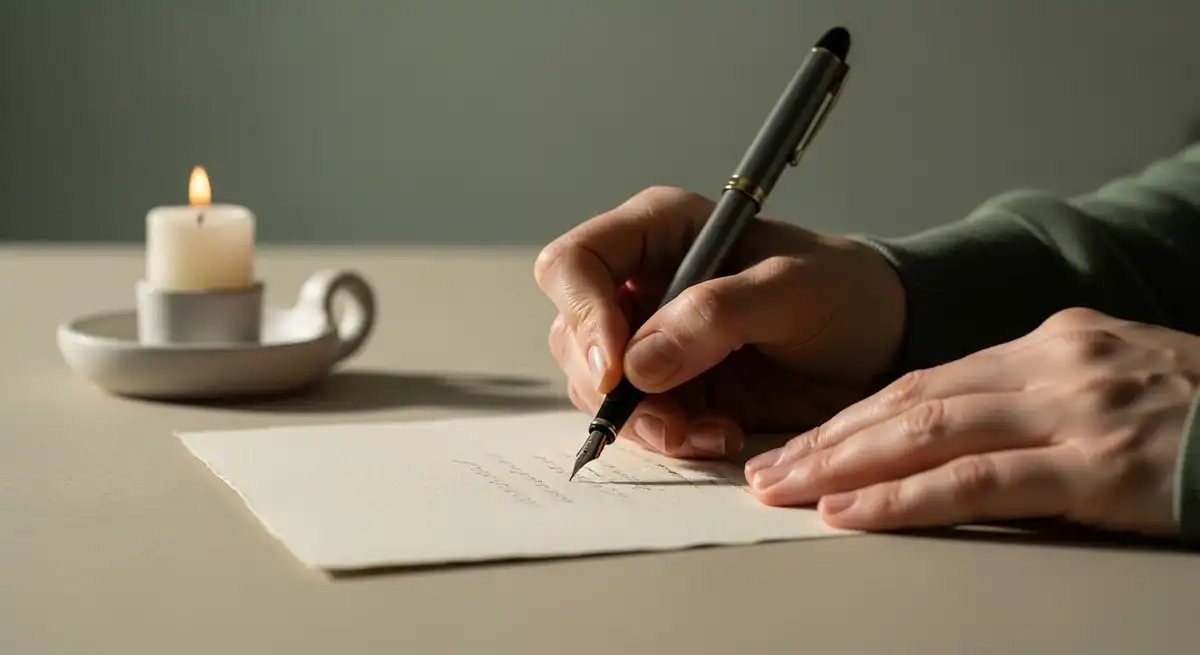
Step-by-step approach to writing the letter
The writing process often unfolds in stages. Beginning with factual description helps anchor the session. This involves describing what happened without interpretation or justification.
From there, emotional responses can be expressed more openly. Ending with a personal declaration or boundary provides closure. Each stage supports clarity without forcing forgiveness.
Describing the experience clearly
Clear description focuses on specific events rather than character judgments. This keeps the writing grounded. Concrete details support understanding without emotional escalation.
This approach is commonly used in reflective writing. It allows observation rather than reliving the experience. Observation supports perspective and emotional distance.
Expressing emotions without restraint
Once the situation is described, emotions can be written honestly. Anger, sadness, disappointment, or confusion may surface. Because the letter is unsent, language does not need moderation.
Emotional honesty supports relief for many people. Expression does not require resolution. It allows emotions to exist without suppression.
Making a personal declaration of release
Many people end the letter with a statement of intention. This may involve letting go of expectations or reaffirming boundaries. The declaration is for the writer alone.
Such statements mark emotional transition. They do not erase memory or responsibility. They clarify where emotional energy will no longer be invested.
Writing forgiveness letters to different figures
Forgiveness letters can be adapted for different purposes. Some people write to past versions of themselves, to situations, or to roles they have outgrown. These variations follow the same principles of honesty and containment.
Each version serves a different reflective purpose. The tone remains grounded and non-judgmental. The goal remains understanding rather than correction.
Writing to a younger or past self
Letters to a younger self often focus on compassion. They acknowledge limited resources and awareness at the time. This perspective supports self-understanding.
Many people find this practice softens long-held self-criticism. It reframes past decisions as responses to context rather than failure. This reframing supports emotional balance.
Practicing self-forgiveness through writing
Self-forgiveness letters acknowledge responsibility without ongoing self-punishment. Wellness education often references structured reflection that includes accountability and renewal. Writing allows these elements to coexist.
This practice supports personal growth. It does not deny mistakes. It recognizes learning and change over time.
Writing a goodbye or release letter
Some people write unsent letters to release habits, roles, or life phases. These letters acknowledge what was gained and what is being left behind. This supports transition.
Such writing is often used during major life changes. It provides symbolic closure without erasing experience. Completion is internal rather than external.
Managing emotional intensity during writing
Strong emotions can arise during reflective writing. Early signs of overwhelm may include racing thoughts or emotional flooding. Recognizing these signs supports safety.
Stopping the session when needed is appropriate. Shifting attention to the present supports regulation. Writing should never override emotional wellbeing.
Using grounding techniques
Grounding focuses attention on physical sensations or breathing. This helps redirect attention away from distressing thoughts. Many wellness routines include grounding for stabilization.
Simple techniques like slow breathing or noticing surroundings are often enough. These practices support nervous system balance. Writing can resume later if appropriate.
Adjusting the writing approach
If direct writing feels too intense, alternative formats can help. Writing in the third person creates distance. Lists or brief phrases reduce depth while allowing expression.
Flexibility keeps the practice supportive. There is no correct format. The priority remains emotional safety.
Rituals after writing the letter
After writing, some people choose a symbolic ritual. This may involve storing, discarding, or shredding the letter. The action is optional and personal.
Rituals are often used in wellness routines to mark transitions. They signal completion to the mind. Meaning comes from intention rather than action.

Letting time pass before taking action
Allowing the letter to sit for a day or two can be helpful. This pause ensures expression feels complete. It also prevents impulsive decisions.
Revisiting the letter later may provide perspective. Some keep it as a record of growth. Others prefer closure through disposal.
Relevance for parents and working adults
Parents and working adults often carry unresolved emotional strain due to limited time and competing roles. Reflective writing offers a private outlet without scheduling conversations. It fits into daily routines.
This practice is often used during quiet moments. It supports emotional awareness without disrupting responsibilities. Balance remains central.
Supporting emotional balance in daily life
Private writing can reduce emotional spillover into family or work interactions. Processing emotions privately supports calmer responses. This contributes to healthier communication patterns.
Wellness education emphasizes awareness over reaction. Writing supports this by creating space between emotion and response.
Frequently Asked Questions
Can someone forgive without informing the other person?
Yes, forgiveness is generally understood as an internal emotional process that does not require communication. Wellness education describes it as a personal decision related to emotional release rather than agreement. Writing privately allows expression without creating expectations or reopening contact.
Is it healthy to write a letter and never send it?
Writing unsent letters is commonly used in journaling and reflective practices. It allows honest expression without social consequences or pressure. Many people use it as a supportive habit within broader emotional wellbeing routines.
How does someone begin a self-forgiveness letter?
A self-forgiveness letter usually begins by acknowledging the situation honestly. It then recognizes context, limitations, and learning without self-judgment. The tone remains compassionate and grounded throughout.
What should be done with a letter that is not sent?
There is no required action after writing. Some people keep the letter, while others discard it symbolically. The choice depends on what feels emotionally complete and respectful.
Can writing help release anger safely?
Expressive writing is often used to acknowledge anger without acting on it. Writing allows emotions to be named and contained privately. This supports awareness without escalation.
Is forgiveness the same as forgetting?
Forgiveness does not remove memory. It changes emotional engagement with that memory. Writing supports this shift by integrating experience rather than erasing it.
When should someone avoid deep emotional writing?
Deep writing may not be appropriate during acute distress or when emotional regulation feels difficult. In such cases, lighter reflection or grounding practices are often preferred. Professional support is advisable if distress persists.
How long should a forgiveness letter session last?
Many wellness educators suggest ten to twenty minutes. This provides enough time for expression without rumination. Time limits support balance and containment.
Can this practice replace professional support?
No, this practice is considered a lifestyle support tool. It does not replace professional mental health care. It may complement broader wellbeing routines.
How often should forgiveness letters be written?
There is no fixed schedule. Many people use the practice occasionally when emotional clarity is needed. Frequency should be guided by readiness and comfort.
Conclusion
Writing a forgiveness letter you’ll never send is a reflective practice that supports emotional clarity and boundary awareness. It provides a private space to express unresolved thoughts without external pressure. When approached with care and structure, it fits into everyday wellness routines and supports steadiness, self-respect, and thoughtful emotional processing.
Medical Disclaimer
This article is for general wellness and educational purposes only. It does not diagnose, treat, cure, or prevent any mental or physical health condition. If emotional distress persists or worsens, consult a qualified healthcare or mental health professional.
For wider background on this, see the American Psychological Association on healthy relationships.