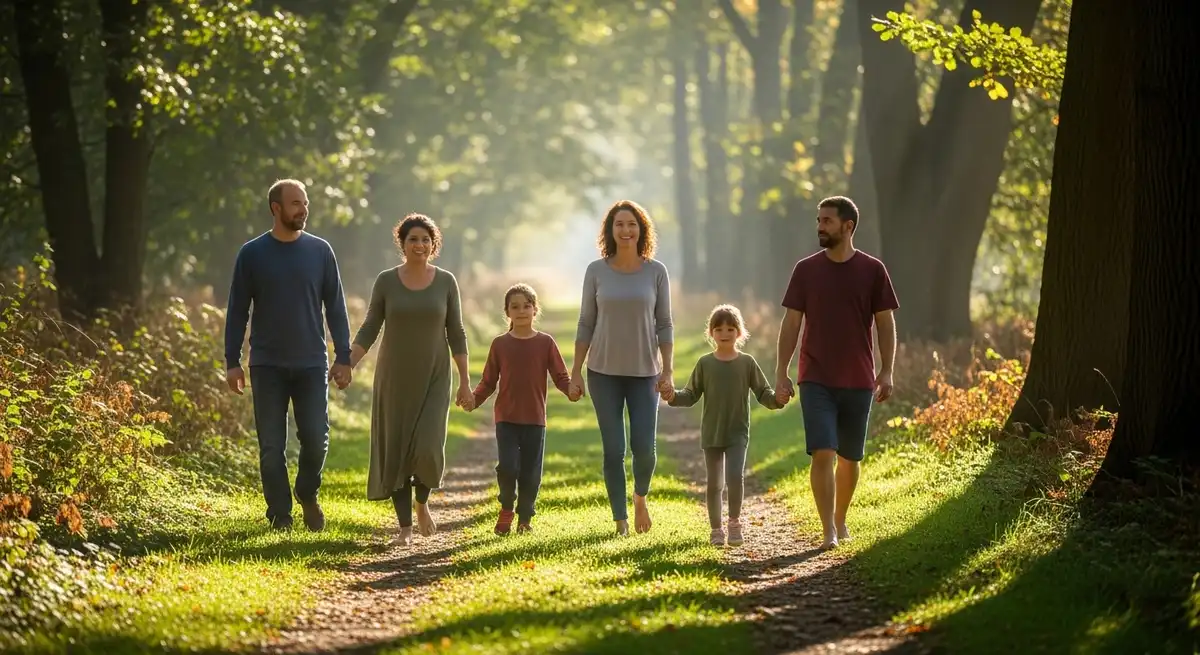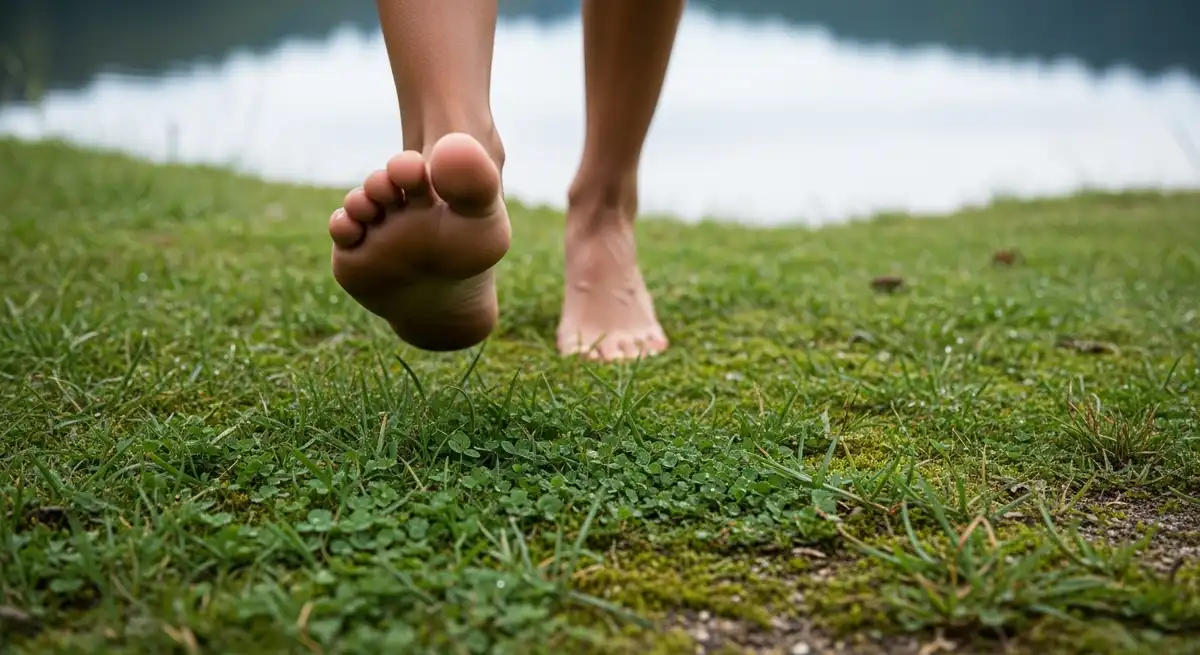
Urban professional life often runs on tight schedules, constant connectivity, and ongoing performance expectations that leave little room for genuine mental recovery. Over time, this pace can quietly affect sleep quality, emotional steadiness, and a sense of personal balance. Weekend nature getaways are commonly viewed as a practical lifestyle reset that fits within real-world responsibilities rather than escaping from them.
Many professionals associate rest with inactivity, yet public wellness education consistently highlights the value of intentional environmental change. Natural surroundings offer a clear contrast to digital, indoor settings that dominate workdays. Short, well-planned nature breaks are widely used as supportive routines to ease mental overload and restore attention without disrupting work or family commitments.
This editorial guide explains five carefully chosen weekend nature getaways commonly favored by urban professionals. Each destination reflects accessibility, environmental calm, and realistic planning considerations rather than luxury or novelty. The purpose is to explain how these settings support everyday wellbeing habits in a grounded, safe, and sustainable way.
5 Weekend Nature Getaways for Urban Professionals: Why Urban Professionals Commonly Seek Nature-Based Weekends
Urban work environments usually involve prolonged screen exposure, artificial lighting, and constant task switching throughout the week. Wellness educators often observe that these conditions contribute to mental fatigue and reduced emotional steadiness over time. Nature-based weekends are commonly used to introduce restorative sensory experiences that differ meaningfully from office and home environments.
Lifestyle research frequently discusses attentional fatigue, a state where the brain remains in focused problem-solving mode without enough recovery. Natural environments tend to encourage slower thinking and softer attention without requiring effort. This gentle shift supports mental rest in ways that feel accessible, even for people who struggle with structured relaxation techniques.
Nature weekends are not positioned as solutions to workplace stress, but as supportive lifestyle practices. They are generally viewed as complementary habits that help people maintain balance over time. This framing aligns with responsible wellness guidance by emphasizing support, not treatment or guaranteed outcomes.
How Nature Exposure Supports Everyday Wellbeing Safely
Nature exposure is often described in public wellness education as a non-clinical lifestyle factor linked with improved mood and clarity. Environmental psychology research suggests that green and blue spaces encourage slower mental pacing. This change allows the mind to recalibrate after extended periods of concentration and digital input.
From a practical perspective, natural settings reduce competing stimuli such as alerts, traffic noise, and visual clutter. This reduction supports a calmer baseline state that many people find easier to sustain than structured relaxation practices. The effect is commonly described as supportive rather than corrective or therapeutic.
For urban professionals, this support often shows up as better sleep routines, clearer thinking, and improved emotional patience when returning to work. These experiences vary between individuals and depend on consistency rather than intensity. Wellness editors emphasize regular exposure rather than one-time experiences.
The Role of Distance and Time in Weekend Getaways
Accessibility strongly influences whether weekend nature getaways become consistent habits. Lifestyle surveys suggest people are more likely to repeat trips that require limited travel time. Destinations within two to three hours are often preferred because they reduce planning stress and preserve time for rest.
Time structure also affects how restorative a trip feels. Short trips that feel rushed can mirror work pressure instead of relieving it. Lifestyle guidance usually recommends allowing at least two unstructured mornings or evenings to support genuine disengagement from daily responsibilities.
When distance and duration are balanced realistically, nature getaways become predictable parts of a healthy routine. This predictability reduces decision fatigue and improves follow-through. Consistency, rather than novelty, is emphasized in credible wellbeing frameworks.
1. The Catskill Mountains for Forest-Based Retreats
The Catskill Mountains are widely regarded as an accessible nature destination for professionals based in New York City and nearby urban areas. The region offers large forest preserves, quiet towns, and limited nightlife that support calm daily rhythms. Travel time usually falls between two and three hours, making weekend planning manageable.
Forest environments in the Catskills are commonly associated with slow walking, gentle hikes, and quiet observation. These activities align with forest immersion practices that focus on sensory awareness without physical strain. Such settings are often chosen by people seeking mental calm rather than adventure or performance challenges.
Accommodation options range from simple cabins to eco-conscious lodges, allowing flexibility across budgets. This variety supports repeat visits rather than one-time trips. Many professionals use the Catskills as a familiar reset space that fits naturally into ongoing lifestyle routines.
Environmental Qualities of Forest Settings
Forest landscapes provide layered visuals, shifting natural light, and organic sounds that differ from urban sensory input. Environmental psychology literature often highlights these qualities as supportive of mental rest. The absence of abrupt stimuli allows attention to soften gradually over time.
Forests also help regulate physical comfort through shade, airflow, and cooler temperatures. These conditions reduce physical strain during walks or rest periods. As a result, people often spend more time outdoors without feeling pressure to exercise or perform.
Forest settings are commonly used for reading, journaling, or quiet conversation. These activities reinforce the idea of nature as a supportive backdrop rather than a task-focused space. This framing maintains emotional safety and avoids performance-based wellness expectations.
2. The Cotswolds as a Countryside Reset
The Cotswolds are frequently chosen by professionals near London who want countryside calm without extensive travel. Rolling hills, footpaths, and preserved villages create visual continuity that supports mental settling. Travel by train or car usually stays under three hours, encouraging regular visits.
Countryside environments like the Cotswolds are associated with slower daily rhythms and predictable routines. Meals, walks, and rest periods often follow natural daylight patterns. This structure supports circadian alignment, a concept often discussed in lifestyle wellbeing education.
The region’s focus on conservation and low-density development contributes to a sense of openness. Many visitors report that this spaciousness supports clearer thinking and emotional steadiness. These experiences are described as supportive rather than dramatic or transformative.
Accommodation and Routine Simplicity
Accommodation in the Cotswolds often emphasizes comfort without overstimulation. Small inns, lodges, and countryside estates provide quiet spaces with natural views. This design supports rest without relying on entertainment or packed schedules.
Routine simplicity is a defining feature of countryside getaways. Days often revolve around walking, shared meals, and unstructured rest. This simplicity reduces decision fatigue, which is commonly linked to mental exhaustion in professional settings.
By limiting choices and obligations, countryside stays support mental decompression. Wellness educators often note that fewer daily decisions allow emotional regulation systems to recover more easily. This recovery tends to be gradual and varies by person.
3. Shelter Island for Coastal Restoration
Shelter Island is often described as a coastal retreat that remains relatively undeveloped compared to nearby destinations. Located between the North and South Forks of Long Island, it offers water views, preserved land, and limited commercial activity. Access typically includes a short ferry ride, reinforcing psychological distance from city life.
Coastal environments are associated with rhythmic sensory input, including waves, wind, and open horizons. Environmental wellbeing research links these features with calmer attention states. The steady movement of water contributes to a sense of continuity and ease.
Shelter Island’s focus on preservation rather than entertainment supports restorative routines. Walking, sitting near the shoreline, and observing light changes are common activities. These practices align with non-clinical mindfulness principles used in everyday life.
Blue Space and Emotional Balance
Blue space refers to environments dominated by water, such as oceans or large lakes. Research discussions often associate blue spaces with emotional regulation and mental clarity. Open water views contrast with enclosed urban spaces, supporting cognitive ease.
Coastal settings also encourage gentle physical activity like shoreline walking. These movements are low-impact and adaptable to different fitness levels. This accessibility supports inclusive wellbeing practices without performance pressure.
Many professionals use coastal getaways to reset routines rather than follow structured wellness programs. This approach aligns with responsible wellness communication that emphasizes lifestyle support instead of intervention.
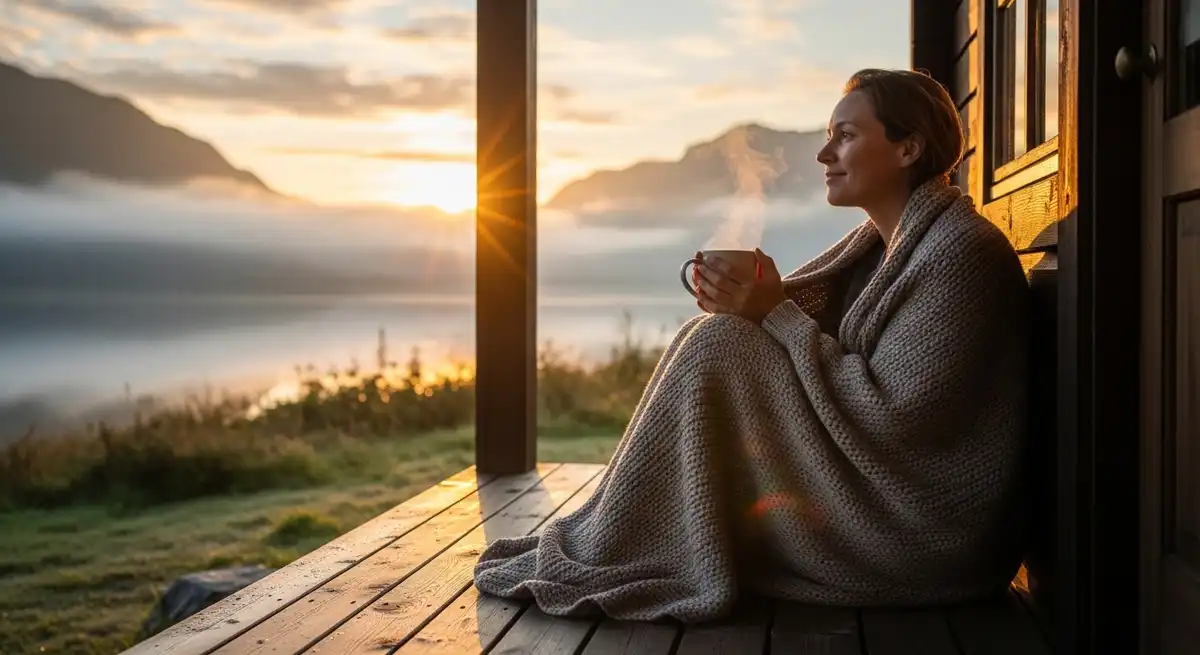
4. New Forest National Park for Balanced Retreats
New Forest National Park in southern England is known for ancient woodlands, open heathlands, and minimal urban development. The area is often chosen by professionals seeking quiet immersion without isolation. Travel time from London typically remains around two hours.
The park’s varied landscapes provide different sensory experiences while maintaining overall calm. Open fields, shaded forests, and free-roaming animals create a slow-paced environment. These qualities are commonly linked to reduced mental load.
Accommodation options include forest lodges and countryside hotels that encourage outdoor time without special skills. This accessibility supports repeat visits as part of a balanced lifestyle rather than occasional escapes.
Wellness-Oriented Facilities Without Medical Claims
Some retreats in the New Forest offer spa areas, saunas, and quiet relaxation spaces. These amenities are framed as comfort features rather than therapeutic services. Wellness editors emphasize keeping clear boundaries between relaxation and medical treatment.
Facilities usually focus on warmth, water exposure, and quiet environments. These elements are associated with general comfort and rest. They are not positioned as cures, maintaining ethical wellness communication standards.
The availability of optional amenities allows visitors to choose their level of engagement. This flexibility respects individual needs and avoids prescriptive wellness narratives.
5. Remote Wilderness Destinations for Occasional Deep Reset
Remote wilderness destinations, such as coastal British Columbia, are often described as immersive nature experiences. These locations require more planning and travel time, making them better suited for occasional visits. Professionals often use them as infrequent resets rather than routine weekends.
Wilderness environments are defined by limited connectivity, rich biodiversity, and minimal infrastructure. These conditions support deep sensory immersion that differs from accessible nature destinations. Such experiences are commonly described as grounding rather than life-changing.
Because of their intensity, wilderness retreats are usually balanced with more accessible nature exposure. Lifestyle guidance encourages moderation to maintain sustainability and avoid reliance on extreme experiences.
Managing Expectations in Remote Settings
Remote nature experiences require realistic expectations about comfort and logistics. Weather changes, limited services, and travel complexity can introduce stress if unplanned. Preparation and flexibility are often highlighted as essential.
The purpose of wilderness retreats is usually disengagement from routine rather than productivity. Activities often include walking, observing nature, and resting quietly. This framing supports emotional safety and avoids performance pressure.
Viewing wilderness trips as supportive pauses helps maintain grounded wellbeing habits. This perspective aligns with ethical lifestyle guidance and YMYL standards.
Digital Disengagement as a Lifestyle Practice
Digital disengagement is often discussed as a complementary element of nature getaways. Constant connectivity keeps the nervous system in an alert state that interferes with rest. Limiting device use during weekends is commonly linked with better sleep and focus.
Practical approaches include turning off notifications, leaving work devices behind, or setting limited check-in times. These strategies reduce anxiety while preserving a sense of control. They are framed as boundaries rather than strict rules.
Digital disengagement remains optional and adaptable. People adjust practices based on comfort, safety, and responsibilities. This flexibility supports inclusive wellbeing guidance.
Mindfulness Principles in Everyday Nature Use
Mindfulness in nature contexts refers to simple awareness of surroundings without judgment or goals. This approach is widely used in public wellness education as a non-clinical practice. It emphasizes noticing sensory details rather than achieving specific mental states.
Activities such as slow walking, observing light, or listening to ambient sounds are common examples. These practices require no training or belief system. They are accessible across cultures and experience levels.
Mindfulness principles are presented as supportive habits rather than interventions. This framing avoids therapeutic claims and maintains emotional responsibility.
Relevance for Working Parents and Caregivers
Working parents often manage combined professional and family demands. Weekend nature getaways are frequently adapted to include children or shared caregiving routines. Parks, forests, and coastal areas provide flexible environments for different ages.
Nature settings allow adults and children to engage at their own pace. Unstructured play, observation, and rest can happen simultaneously. This flexibility supports family balance without rigid schedules.
For caregivers, nature weekends are valued for simplicity rather than productivity. Shared meals, walks, and quiet time reduce planning pressure and support emotional steadiness.
Integrating Nature Weekends into Long-Term Routines
Consistency plays a key role in perceived benefits of nature getaways. Wellness educators often suggest treating them as routine maintenance rather than rewards. This mindset supports long-term follow-through.
Keeping a short list of preferred destinations reduces decision fatigue. Familiarity increases comfort and lowers planning effort. These factors encourage regular use.
Long-term integration emphasizes adaptability rather than perfection. Missed weekends and changes in routine are expected. This realistic framing supports sustainable wellbeing habits.
Expanded FAQs

What are weekend nature getaways for urban professionals
Weekend nature getaways for urban professionals are short trips to natural environments designed to support rest and mental clarity. They are commonly used as lifestyle tools rather than escapes from work. These getaways prioritize accessibility, calm surroundings, and realistic integration into busy schedules.
Why do professionals choose nature instead of city breaks
Professionals often choose nature-based weekends because they reduce sensory overload linked with cities. Natural settings offer fewer competing stimuli and slower pacing. This contrast is commonly associated with clearer thinking and emotional steadiness without structured activities.
How often are nature weekends typically used
Nature weekends are commonly used once or twice per month, depending on schedules and distance. Consistency is often emphasized over frequency. Regular exposure is associated with cumulative support for everyday wellbeing routines.
Are nature getaways suitable for families
Nature getaways are widely considered suitable for families because they offer flexible activities for different ages. Forests, parks, and beaches support shared experiences without fixed schedules. This inclusivity aligns with family wellbeing practices.
Is digital detox necessary during nature weekends
Digital detox is not required but is often used as a supportive practice. Reducing screen use helps many people disengage from work-related demands. Approaches vary based on comfort and responsibilities.
Do nature getaways require physical fitness
Nature getaways do not require high physical fitness. Activities are usually adaptable, including walking, sitting, and observing surroundings. This accessibility supports broad participation.
Are short trips as helpful as long vacations
Short trips are commonly used because they fit realistic schedules. Research discussions highlight the value of regular short breaks. Consistency matters more than duration.
Can nature weekends improve work focus
Nature weekends are commonly associated with improved focus after returning to work. Reduced mental fatigue supports clearer thinking. Outcomes vary by person.
Are luxury accommodations necessary
Luxury accommodations are not necessary for supportive nature experiences. Simple lodging often provides similar benefits. Comfort and accessibility matter more than amenities.
How should expectations be managed
Expectations should remain realistic and supportive. Nature getaways do not remove all stress. They work best as complementary lifestyle practices.
Conclusion
Weekend nature getaways for urban professionals offer a grounded way to support balance within demanding lives. By focusing on accessibility, calm environments, and realistic routines, these experiences support everyday wellbeing without exaggerated claims. When used consistently and thoughtfully, nature weekends become steady, supportive parts of modern living.
Medical Disclaimer
This content is for informational purposes only and does not constitute medical advice. It is not intended to diagnose, treat, cure, or prevent any condition. Always consult a qualified healthcare provider before starting new wellness practices, especially if you have existing health concerns.
For wider background on this, see the World Health Organization classifies burn-out as an occupational phenomenon.