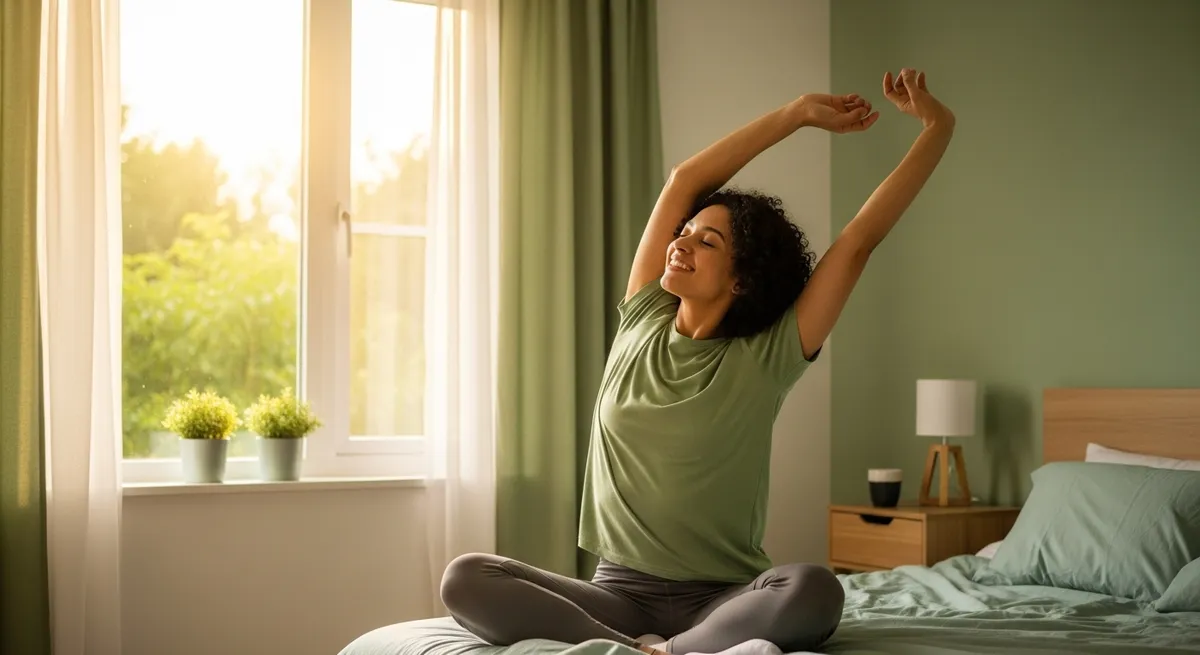
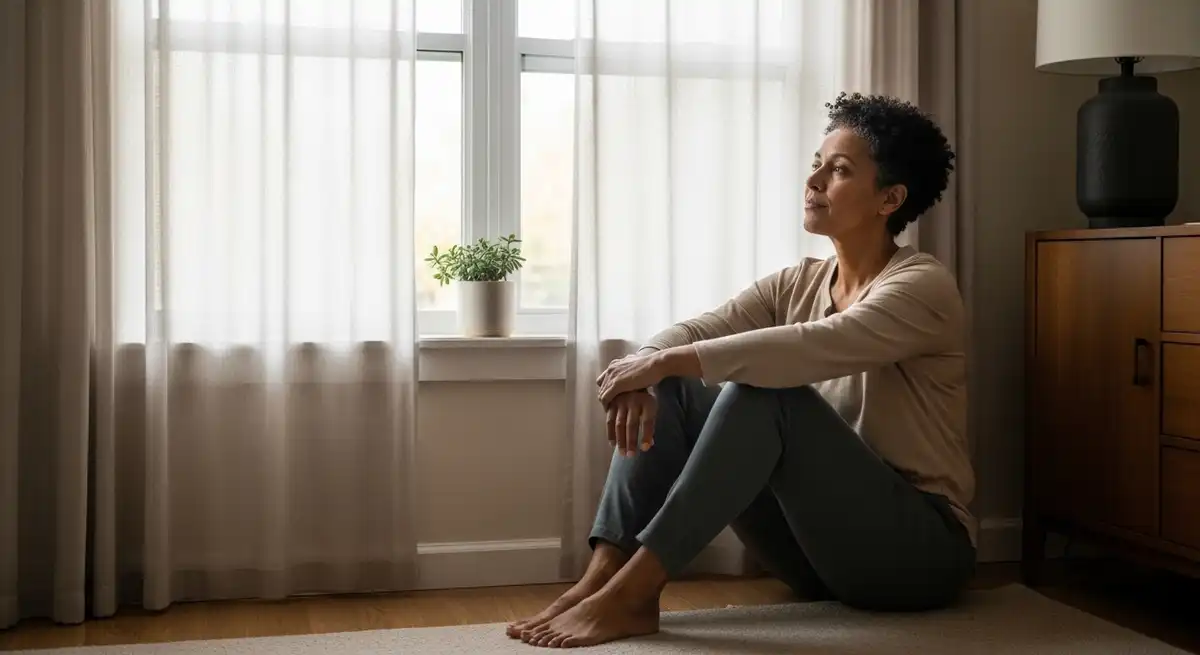
Creating personal space is often misunderstood as a luxury rather than a basic requirement of daily wellbeing. In many homes and workplaces, especially for parents and working mothers, time alone is seen as optional or even selfish. Wellness education increasingly explains that intentional space supports emotional steadiness, clearer thinking, and steady energy. This page explains how to create space for yourself without guilt using grounded lifestyle principles and realistic daily practices.
Personal space here does not mean stepping away from responsibilities or relationships. It refers to brief, intentional periods where outside demands pause so attention and energy can reset. Lifestyle guidance treats this as routine care, not escape. Understanding this difference is essential for easing guilt and building habits that feel responsible rather than indulgent.
This content is educational and informational. It reflects commonly accepted wellness education, behavioural research, and everyday experience. It does not replace professional care and avoids diagnostic or therapeutic claims. The focus stays on safe, practical, and realistic approaches for daily life.
Create space yourself guilt: Understanding Personal Space as a Lifestyle Need
Personal space is often linked with leisure, yet lifestyle research describes it as a functional need. Ongoing engagement without breaks can lead to mental fatigue, short temper, and poor concentration. Many people notice these effects without connecting them to the lack of recovery time during ordinary days.
From a behavioural point of view, personal space allows the nervous system to ease out of constant alert mode. Notifications, conversations, and responsibilities keep attention turned outward. Short periods of reduced input help restore balance inside the body. This supports calmer emotional responses and clearer thinking over time.
Personal space does not need to be lengthy or complex. Brief, predictable pauses are commonly enough when used consistently. Wellness educators usually stress regularity over duration. This makes space easier to maintain, even for people managing work, caregiving, and home responsibilities together.
Why Guilt Often Appears When Taking Time Alone
Guilt around personal space is usually learned, not natural. Many people grow up where constant availability is praised and self sacrifice is expected. Over time, rest becomes linked with letting others down, even when no harm is happening. These beliefs often continue into adulthood without being questioned.
Social norms also add pressure. Productivity and caregiving are valued, while rest is framed as something to earn. When someone pauses, discomfort may appear automatically. Recognising this pattern helps separate emotional reactions from actual outcomes.
Guilt often fades through repeated, safe experiences of setting limits. When people see that relationships continue and responsibilities are met, the emotional charge softens. This learning takes patience. Viewing guilt as a temporary response, not a warning, supports long term change.
The Role of the Brain in Needing Space
Research on the brain highlights the value of mental downtime for healthy functioning. During quiet rest, the brain activates networks linked to reflection, memory sorting, and emotional processing. These processes happen naturally when outside demands reduce.
Without personal space, the brain stays task focused for long stretches. This can lead to decision fatigue, where small choices feel heavy. Over time, this affects patience, focus, and emotional balance in daily interactions.
Creating space allows the brain to recalibrate. This does not require formal meditation or structured practices. Simple stillness, gentle movement, or quiet observation often work. The key is lowering stimulation so the mind can settle.
Stress Awareness and Emotional Load
Daily stress often builds quietly. Small pressures add up when there is no chance to pause. Many people only notice this build up when they feel overwhelmed. Personal space helps interrupt this pattern before it grows unmanageable.
Emotional load includes planning, anticipating needs, and holding responsibility for others. Parents and working mothers often carry this invisible work continuously. Intentional space reduces this background processing, even for short periods.
Wellness guidance encourages acknowledging emotional load without judgment. Creating space is not about avoiding duties but about supporting the ability to meet them calmly. Over time, this practice supports steadier moods and resilience.
Distinguishing Boundaries from Selfishness
Boundaries are often mistaken for being unkind or rigid. In reality, boundaries clarify what someone can offer without depletion. They focus on personal limits, not on controlling others. This difference is important when working through guilt.
Selfishness centres personal gain at others’ expense. Boundaries support sustainability and mutual respect. When people protect basic needs like rest and focus, they are often more consistent and patient in relationships.
Seeing boundaries as internal agreements rather than demands reduces conflict. The focus shifts from explaining to being clear. This approach supports calmer communication and less emotional strain over time.
Cognitive Reframing and Guilt Reduction
Cognitive reframing means changing how situations are understood. In everyday wellness education, this involves noticing unhelpful thought patterns and choosing balanced alternatives. For example, replacing “I am letting people down” with “I am restoring energy to meet responsibilities” changes emotional reactions.
This does not deny obligations. It places personal space within responsible living. Many people find neutral language easier to accept than positive affirmations. Neutral reframes feel realistic and steady.
Consistency matters more than intensity. Small shifts in inner dialogue, repeated over time, gradually change behaviour. This approach reduces guilt without emotional suppression or forced optimism.
Scheduled Breaks as a Practical Framework
Scheduling personal space removes uncertainty. Planned breaks feel less indulgent and more purposeful. Predictability also helps others adjust expectations, reducing friction at home and work.
Wellness educators often describe layered breaks. These include short daily pauses, longer weekly periods, and occasional extended rest. Each serves a different role in maintaining balance.
Breaks should remain realistic. Overly ambitious plans often fail. Starting with manageable timeframes supports follow through and builds confidence.
Micro Breaks in Daily Routines
Micro breaks are brief pauses lasting a few minutes. They may include standing quietly, stepping outside, or focusing on slow breathing. These breaks interrupt continuous task engagement.
Even though they are short, micro breaks support mental clarity and emotional steadiness. They fit easily into busy days and caregiving schedules. Their simplicity makes them easier to keep.
Used consistently, micro breaks normalise personal space. The nervous system begins to expect relief, reducing ongoing tension. This gradual shift supports sustainable wellbeing.
Meso Breaks for Weekly Balance
Meso breaks usually involve one or two hours set aside weekly for restorative activities. These may include walking, reading, creative hobbies, or quiet time away from duties.
Weekly breaks offer deeper recovery than daily pauses. They reconnect people with personal interests and values. This supports motivation and emotional balance across roles.
Treating meso breaks like fixed appointments helps protect them. When given the same importance as work commitments, they become part of a healthy routine.
Macro Breaks and Periodic Reset
Macro breaks are longer periods such as a full day away from usual demands. They are used less often but offer broader perspective and deeper recovery.
These breaks do not require travel or expense. Reduced input is what matters most. Stepping away from usual environments helps reset mental patterns.
Planning macro breaks ahead of time reduces guilt and stress. They become part of a rhythm rather than a response to exhaustion.
Digital Space and Attention Protection
Digital devices strongly shape daily busyness. Messages and alerts fragment attention and limit recovery. Creating digital space supports mental ease.
Common practices include silencing notifications at set times and having phone free periods. These actions reduce cognitive load rather than enforce strict rules.
Less digital interruption supports deeper focus and calmer transitions. Over time, people often notice better patience and less mental clutter.
Physical Environment and Mental Space
Physical surroundings affect mental processing. Cluttered or noisy spaces increase cognitive effort. Creating small pockets of order supports calm attention.
This does not require perfect organisation. Clearing one surface or choosing a consistent quiet spot is often enough. The goal is functional calm.
Many people notice that physical order supports emotional clarity. When surroundings feel manageable, thinking often becomes easier.
Assertive Communication Without Over Explanation
Clear communication supports boundaries. Assertive communication means stating limits calmly without long explanations. Too much justification can invite doubt or negotiation.
Simple, consistent language reduces strain. Statements based on capacity rather than blame are easier to receive and maintain.
Practice builds comfort. Initial unease is common, especially for those used to accommodating others. Confidence grows with repetition.
Managing Resistance from Others
Resistance often appears when boundaries change. People accustomed to constant availability may need time to adjust. This reaction does not signal wrongdoing.
Viewing resistance as adjustment helps reduce self doubt. Calm consistency supports smoother transitions. Expectations usually recalibrate over time.
Boundaries depend on personal behaviour, not approval. This focus supports emotional steadiness and resilience.
Transition Rituals Between Roles
Transition rituals mark shifts between activities or roles. Examples include sitting quietly before entering home or taking a short pause after work. These rituals support separation.
Without transitions, emotional residue can carry over. Rituals signal closure and prepare the mind for the next setting.
Simple rituals used regularly support patience and presence. They are helpful for people balancing multiple roles daily.
Mindfulness as a Supportive Lifestyle Principle
Mindfulness here means noticing present experiences without judgment. It is commonly used as a supportive lifestyle practice rather than therapy.
Simple practices include noticing breathing or body sensations. These actions increase awareness of stress signals and emotional states.
This awareness allows timely use of personal space. It supports prevention rather than crisis response.
Parenting and Working Life Considerations
Parents and working mothers often face continuous demands. Personal time may feel limited or undeserved. Recognising this reality is essential.
Personal space may look different in these contexts. Shorter breaks or shared caregiving arrangements often help. Flexibility supports consistency.
Modelling boundaries also benefits children. It shows balance and self respect, supporting healthier family dynamics.
Cultural and Social Context
Cultural norms shape views on rest and availability. In some settings, constant engagement is expected. Acknowledging this reduces self blame.
Wellness guidance encourages adapting principles rather than copying ideals. Personal space should fit cultural values while supporting wellbeing.
Gradual changes are often more acceptable. Small adjustments can create meaningful impact without conflict.
Long Term Perspective on Personal Space
Creating space without guilt develops over time. Emotional responses may fluctuate early on. Viewing this as skill building supports patience.
With consistency, personal space becomes routine. Guilt often fades as new norms settle. Relationships adjust naturally.
Small, regular practices matter more than rare extremes. This view supports realistic expectations and sustainable balance.
Frequently Asked Questions

Why do many people feel uncomfortable taking time for themselves
Many people feel uncomfortable because rest is often treated as conditional rather than necessary. Learned beliefs and social expectations can trigger guilt even when no harm occurs. Over time, consistent and safe experiences of personal space usually reduce this discomfort.
How can personal space fit into busy family schedules
Personal space can be adjusted to available time instead of requiring long breaks. Short, predictable pauses are commonly used by parents and caregivers. Flexibility and realistic planning help maintain consistency without disrupting responsibilities.
Is personal space different from avoidance
Personal space is intentional and restorative, while avoidance is reactive and driven by discomfort. Lifestyle guidance focuses on clarity of purpose when taking breaks. When space supports energy and engagement, it aligns with healthy routines.
How long does it take to feel comfortable setting boundaries
Comfort levels vary depending on background and support. Many people notice gradual easing of guilt with steady practice over weeks or months. Patience and repetition help during this adjustment.
Can personal space improve focus at work
Personal space is often linked with improved concentration and reduced mental fatigue. Short breaks reset attention and limit decision overload. These effects support steady performance rather than dramatic change.
Is it acceptable to schedule personal time formally
Scheduling personal time is a common and effective approach. Treating it as a real commitment supports consistency and reduces guilt. Predictability also helps others adjust expectations.
Does creating space affect relationships negatively
When communicated clearly and practiced consistently, personal space often supports healthier relationships. Reduced resentment and steadier emotions improve interactions over time.
What if others do not respect personal boundaries
Resistance is common when patterns change. Calm consistency supports adjustment. Boundaries focus on personal actions rather than controlling others.
How does personal space relate to mindfulness
Personal space creates conditions that support mindful awareness. Reduced stimulation makes thoughts and emotions easier to notice. This awareness supports intentional responses.
Is personal space the same for everyone
Personal space needs differ based on personality, roles, and environment. Lifestyle guidance encourages individual adaptation rather than fixed rules. Listening to personal signals supports balance.
Conclusion
Learning how to create space for yourself without guilt is a practical lifestyle skill built on awareness, consistency, and realistic expectations. Personal space supports emotional steadiness, mental clarity, and sustainable energy when treated as routine care. Small, intentional practices integrated into daily life help maintain wellbeing while staying engaged with responsibilities.
Medical Disclaimer
This content is for informational purposes only and does not constitute medical or mental health advice. It is not intended to diagnose, treat, cure, or prevent any condition. Always consult a qualified healthcare provider regarding personal health concerns or ongoing symptoms.
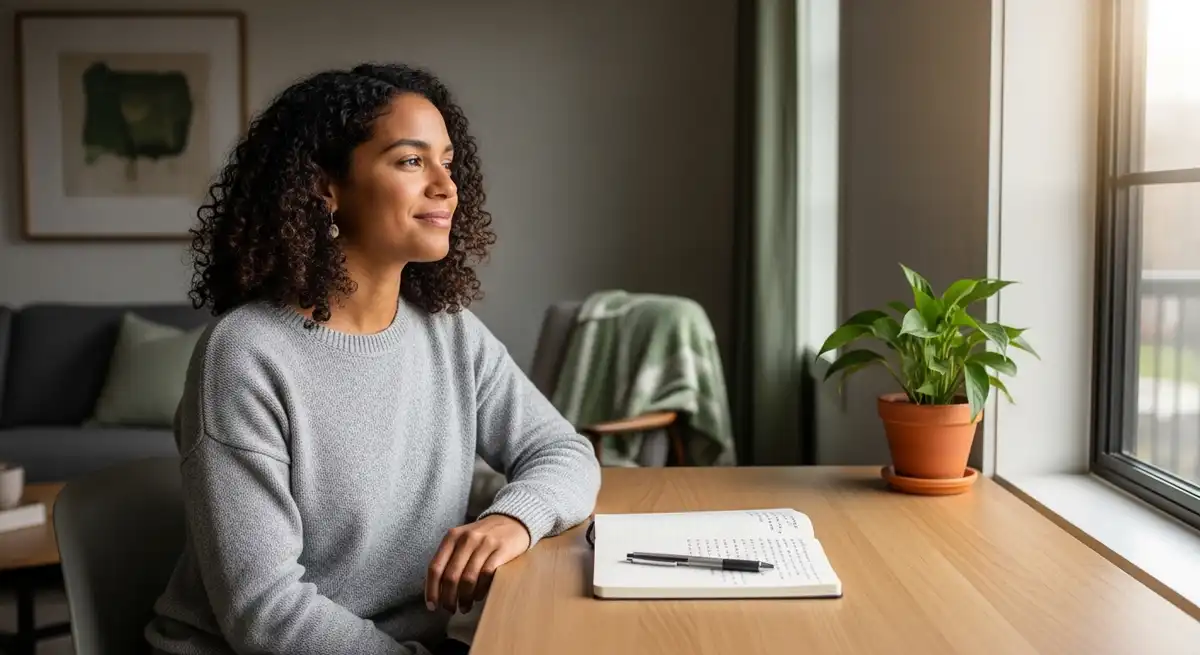
Prompt 1: Featured Image A realistic editorial photograph of an adult sitting alone by a window in a calm home setting, soft morning light filtering through sheer curtains, neutral earth-toned color palette, relaxed posture, thoughtful expression, minimal decor, uncluttered environment, shallow depth of field, horizontal composition, professional wellness magazine style, natural skin tones, diverse representation, peaceful yet grounded mood, high-resolution, photorealistic, lifestyle authenticity, no yoga poses, no text overlays.
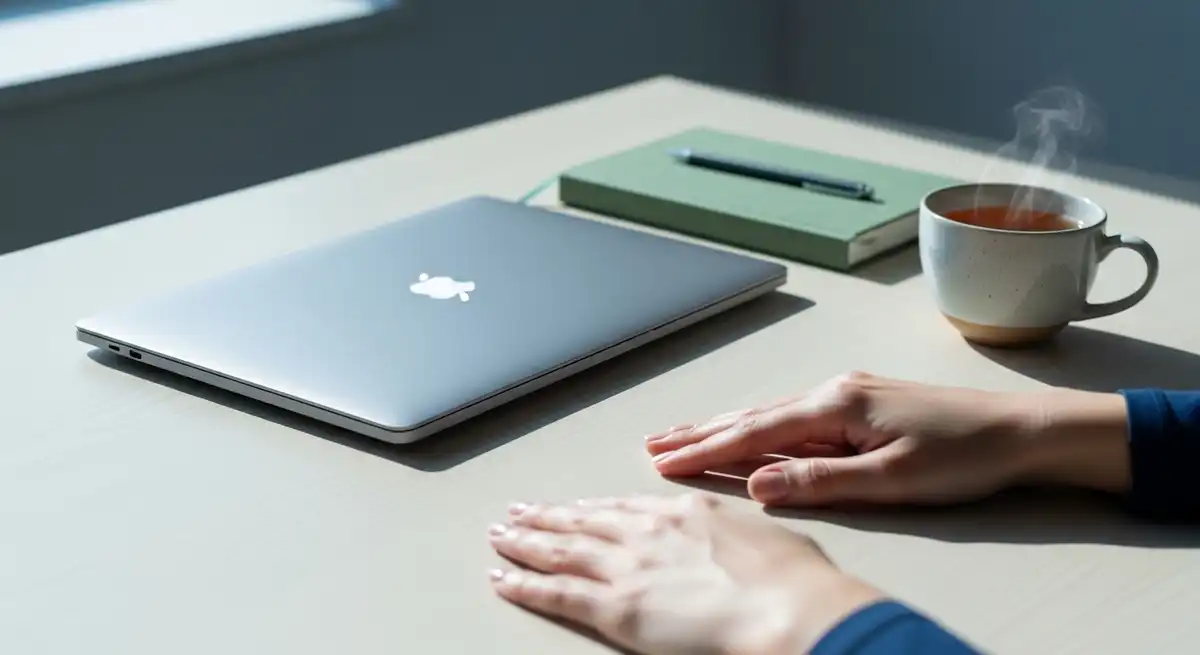
Prompt 2: Supporting Concept Image A clean instructional-style image showing a simple workspace with a closed laptop, notebook, and cup of tea, natural daylight, minimal composition, muted blues and greens, calm atmosphere, hands resting calmly on the table, focus on stillness and intentional pause, editorial photography style, accessible environment, horizontal layout, professional clarity, realistic textures, soft shadows, no clutter, wellness education aesthetic.
Prompt 3: Inspirational Image An aspirational lifestyle photograph of a person walking alone in a quiet park during golden hour, gentle sunlight, warm tones, relaxed body language, natural movement, diverse age representation, realistic setting, sense of calm accomplishment, balanced composition, professional lifestyle photography, high resolution, emotionally resonant but attainable mood, no exaggerated fitness imagery.
For wider background on this, see the American Psychological Association on stress.