

Modern life often unfolds indoors, shaped by screens, schedules, and constant cognitive demand. Many people notice mental fatigue, irritability, and a quiet sense of disconnection as part of everyday living. Forest bathing is widely described in wellness education as a gentle lifestyle practice that encourages time in nature without performance goals or expectations.
Forest bathing, also known as Shinrin-Yoku, developed as a public wellbeing concept rather than a spiritual system or health treatment. It refers to intentional, unhurried time spent in natural settings while paying attention to sensory experience. This guide explains the practice clearly and cautiously, focusing on safety, realism, and how it fits into ordinary routines.
Forest Bathing Guide for Beginners: Understanding the Core Practice
Forest bathing is commonly described as spending slow, attentive time in a forest or green space while engaging the senses. It does not involve structured exercise, tracking, or achievement. Wellness educators often explain it as a way of allowing the body and mind to settle by being present with natural surroundings.
Rather than asking people to improve themselves, forest bathing emphasizes observation without judgment. Participants notice light, sound, texture, scent, and temperature without trying to change anything. This approach is considered accessible because it does not require special skills, beliefs, equipment, or physical ability beyond comfortable movement.
The concept gained public attention in Japan during the 1980s as part of a national effort to address rising stress linked to urbanization. Officials encouraged citizens to spend more time in forests as a lifestyle support. Over time, forest bathing became associated with everyday wellbeing rather than productivity or self-optimization.
Historical and Cultural Roots of Shinrin-Yoku
Shinrin-Yoku was introduced by Japan’s Ministry of Agriculture, Forestry, and Fisheries as a public-facing wellness idea. The phrase translates to bathing in the forest atmosphere, emphasizing immersion instead of activity. Early messaging framed it as a preventive lifestyle habit rather than a medical intervention.
Cultural influences from Shinto traditions shaped how nature was discussed, without requiring religious practice. Shinto emphasizes respect for natural elements as part of daily life. Forest bathing reflects this perspective by encouraging quiet presence and attentiveness rather than control or interpretation.
The written characters used for Shinrin-Yoku include symbols for forest and bathing, reinforcing the idea of being surrounded rather than moving with purpose. Understanding this background helps beginners release pressure to practice in a certain way. The intention remains simple presence rather than mastery.
Forest Bathing Compared With Hiking and Nature Walks
Forest bathing is often mistaken for hiking or recreational walking, yet the emphasis differs. Hiking usually involves distance, pace, or physical challenge, which can activate goal-oriented thinking. Forest bathing removes those elements to encourage mental settling rather than stimulation.
Movement during forest bathing is optional and often minimal. Participants may walk slowly, pause frequently, or remain seated. This slower rhythm is commonly associated with a shift toward nervous system calm rather than physical exertion.
Nature walks can still feel refreshing, but forest bathing places attention on sensory details rather than destination. Awareness might rest on leaf movement, air temperature, or distant sounds. This focus is often described as restorative because it reduces constant decision-making and mental effort.
The Science Behind Forest Bathing
Research on forest bathing often examines physical markers linked with stress and relaxation. Studies conducted by Japanese and South Korean universities have observed lower cortisol levels after time in forest environments compared with urban settings. Cortisol is commonly described as a stress hormone, though individual responses vary.
Other research looks at heart rate variability, a measure associated with nervous system balance. Higher variability is generally linked with better adaptability to stress. Time spent in green environments is often associated with shifts toward parasympathetic nervous system activity, which supports rest and digestion.
Some studies also explore immune-related markers such as natural killer cell activity. Findings suggest temporary increases following forest exposure, though researchers describe these effects as supportive rather than therapeutic. Wellness editors emphasize that these associations do not replace medical care.
Phytoncides and the Forest Atmosphere
Trees release aromatic compounds known as phytoncides as part of their natural defense processes. These compounds contribute to the scent many people associate with forests, particularly in pine and cedar areas. When inhaled, phytoncides interact with the sensory and respiratory systems.
Research suggests phytoncide exposure is associated with certain immune-supportive responses. These findings help explain why forest air often feels refreshing. However, educators stress that this does not imply treatment or prevention of illness.
For beginners, awareness of forest scents adds depth without creating expectation. Simply noticing changes in smell can enhance sensory engagement. This awareness supports immersion without focusing on biological outcomes.
Mental and Emotional Wellbeing Context
Forest bathing is often discussed in relation to emotional wellbeing because it emphasizes slowing down. Research commonly reports reduced perceived stress and improved mood following time in forest environments. These effects are described as short-term and supportive rather than lasting transformations.
The Attention Restoration Theory offers one explanation. It suggests that natural environments gently hold attention without demanding focus, allowing mental fatigue to ease. This contrasts with urban environments that require constant filtering and alertness.
Wellness educators describe forest bathing as emotional regulation support rather than therapy. It does not aim to resolve mental health conditions. Instead, it provides a consistent setting where many people feel calmer and more settled.
Preparing for a First Forest Bathing Experience
Preparation for forest bathing focuses on simplicity. Choosing a safe, familiar green space reduces mental effort and allows attention to rest naturally. Remote wilderness or dramatic scenery is not required.
Comfortable clothing suited to weather conditions supports physical ease. Discomfort can draw attention away from sensory awareness. Light layers allow adjustment without distraction.
Timing remains flexible, though quieter periods may feel more supportive. Early mornings or weekdays often involve fewer interruptions. Forest bathing works best when approached as an invitation rather than a task.
Duration and Frequency Considerations
Traditional forest bathing sessions may last several hours, allowing extended immersion. Research indicates that shorter sessions can also support wellbeing. Many people notice benefits from twenty to forty minutes of attentive time outdoors.
Consistency tends to matter more than session length. Regular exposure helps build familiarity and comfort. Wellness guidance often encourages flexibility rather than strict schedules.
There is no ideal duration for everyone. Beginners are encouraged to work within their energy levels and routines. Forest bathing adapts to daily life rather than requiring restructuring.
The Role of Digital Disconnection
Digital devices maintain a level of mental alertness even when idle. Forest bathing often includes intentional reduction of device use to support mental quiet. Turning phones off or placing them out of sight helps attention settle.
Initial restlessness is common when stepping away from devices. Over time, many people report greater awareness of surroundings. Educators describe this adjustment as a normal response rather than a barrier.
Safety remains important. Carrying a phone for emergencies is reasonable when needed. The focus remains on reducing engagement, not eliminating access entirely.

Breathing as a Supportive Tool
Breathing techniques are sometimes used as gentle supports during forest bathing. Slow nasal breathing is commonly associated with calming the nervous system. This pattern allows the body to shift out of alert mode.
Belly breathing involves letting the abdomen expand naturally during inhalation. It does not require counting or control. Many beginners find this pattern emerges on its own as they relax.
Breathing tools remain optional. Forest bathing does not depend on technique. Allowing breath to settle naturally supports the practice’s non-effortful nature.
Sensory Awareness and Grounding
Sensory engagement sits at the center of forest bathing. Attention may rest on sound, light, texture, scent, or temperature. This approach anchors awareness in immediate experience.
Rather than analyzing, sensory awareness emphasizes noticing. The aim is familiarity, not interpretation. This style of attention often feels calming because it reduces mental narration.
Beginners may focus on one sense or allow awareness to shift freely. There is no sequence to follow. Sensory grounding supports presence without mental control.
Invitations and Open Exploration
Forest bathing often uses invitations instead of instructions. An invitation might involve noticing textures or listening for layered sounds. Invitations encourage curiosity without expectation.
This approach reduces self-judgment and comparison. Participants respond in ways that feel natural to them. Educators emphasize that there is no correct outcome.
Open exploration allows each session to feel different. Weather, season, and mood all shape experience. This variability supports long-term engagement without routine fatigue.
Forest Bathing for Urban Lifestyles
Urban living does not prevent forest bathing practice. City parks, gardens, riversides, and tree-lined streets can all support sensory awareness. Research shows even small green spaces are associated with improved mood compared with built environments alone.
Urban forest bathing emphasizes slowing down rather than escaping. Traffic noise and activity become part of the sensory field. This framing supports realism and accessibility.
Repeated visits build familiarity and comfort. Seasonal changes become easier to notice. Urban practice reinforces that nature connection fits into daily life.
The Single-Tree Practice
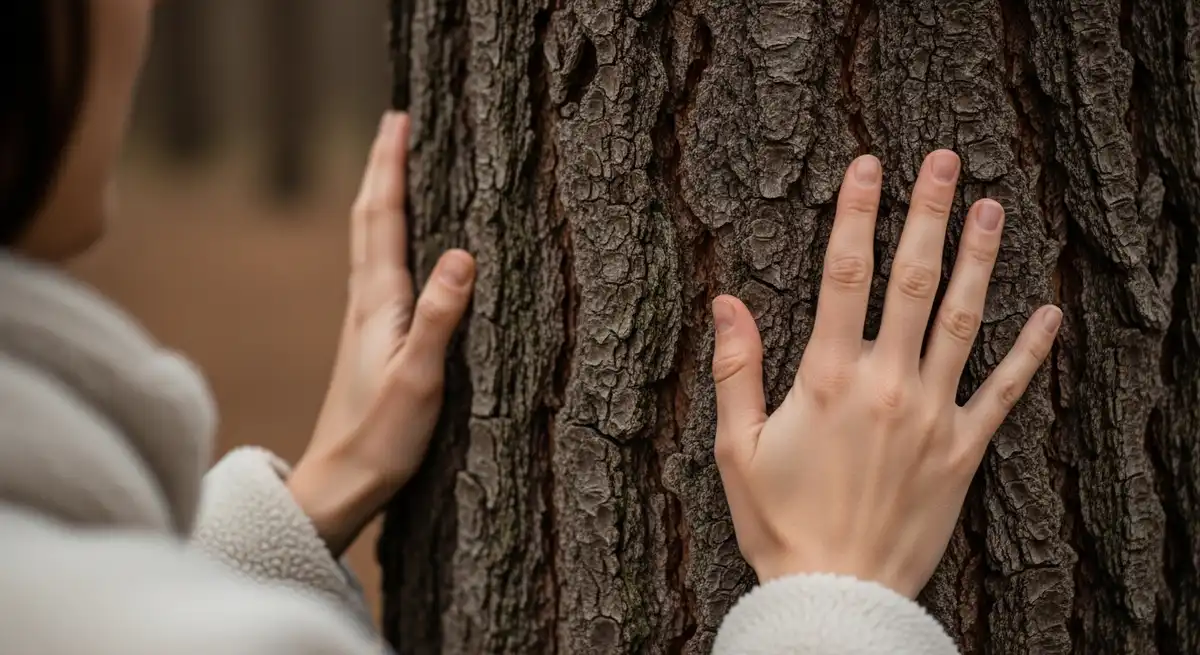
When access to larger green spaces is limited, a single-tree practice offers an alternative. This involves spending time observing one tree’s texture, shape, and movement. Touch may be included if appropriate and respectful.
Focusing on one element supports grounding through attention. Research on human-nature connection suggests even brief contact with natural elements can support emotional steadiness.
This practice works near homes, workplaces, or sidewalks. It demonstrates how forest bathing principles adapt to everyday constraints. Many beginners appreciate its simplicity.
Integrating Forest Bathing Into Daily Routines
Forest bathing becomes sustainable when paired with existing habits. Lunch breaks, commutes, or weekend errands offer natural opportunities. This approach avoids adding pressure to busy schedules.
Seeing nature time as routine care rather than indulgence helps maintain consistency. Educators sometimes compare it to mental hygiene. This framing supports regular practice.
Flexibility remains key. Some days allow longer sessions, others only brief pauses. Both fit within the practice.
Parenting and Working-Life Relevance
Parents and working adults often carry ongoing mental load. Forest bathing offers quiet support without adding expectations. Time outdoors can be shared with children or practiced alone.
For families, forest bathing may involve slow walking or sitting together. The focus stays on shared presence rather than instruction. This supports emotional regulation across ages.
Working adults may use forest bathing as a transition between roles. Brief outdoor time after work can help create mental boundaries. The approach remains practical and compassionate.
Safety and Realistic Expectations
Forest bathing is generally considered safe when practiced with awareness of surroundings. Terrain, weather, and personal limits should guide participation. Comfort takes priority over immersion.
Forest bathing does not replace professional care. Individuals with health concerns are encouraged to consult qualified providers. The practice is described as complementary lifestyle support.
Expectations remain modest. Calm may arise, but experiences vary. Consistency matters more than intensity.
Frequently Asked Questions
What is the difference between forest bathing and a nature walk?
Forest bathing centers on sensory awareness and presence rather than movement or distance. A nature walk often involves exercise or exploration goals, while forest bathing removes those goals. This distinction is commonly associated with greater mental settling and reduced cognitive effort during time outdoors.
Do you have to be naked for forest bathing?
Forest bathing does not involve nudity. The term bathing refers to immersing the senses in the forest atmosphere rather than removing clothing. Participants remain fully clothed, comfortable, and dressed appropriately for the environment and weather.
What are the commonly noted benefits of forest bathing?
Forest bathing is often associated with lower perceived stress, calmer mood, and mental refreshment. Research also explores changes in cortisol and heart rate variability. These effects are described as supportive and variable, not guaranteed or permanent outcomes.
How can forest bathing be practiced in a city?
Urban forest bathing can take place in parks, gardens, or tree-lined streets. The practice focuses on slowing down and engaging the senses rather than location quality. Even brief exposure to greenery is commonly linked with positive emotional effects.
How long does a forest bathing session usually last?
Sessions may range from twenty minutes to several hours. Studies suggest shorter sessions can still support wellbeing when practiced regularly. Duration remains flexible and guided by personal schedules and energy levels.
Can forest bathing be practiced alone?
Forest bathing can be practiced alone or with others. Solo practice allows quiet reflection and personal pacing. Both formats are considered supportive when approached safely and without expectations.
Is forest bathing considered a medical treatment?
Forest bathing is not a medical treatment or therapy. It is described as a lifestyle practice that supports general wellbeing. Professional medical or psychological care remains essential for health conditions.
Are certain trees better for forest bathing?
Coniferous trees are often mentioned due to aromatic compounds they release. However, any green environment can support sensory engagement. Accessibility and comfort matter more than tree type.
Is forest bathing suitable for children?
Forest bathing principles can be adapted for children through slow exploration and observation. The focus stays on curiosity rather than instruction. Adult supervision supports safety and comfort.
How often is forest bathing typically practiced?
Many people practice forest bathing weekly or several times a week. Consistency is emphasized over duration. Flexible scheduling supports long-term engagement.
Editorial Conclusion
Forest bathing is best understood as a quiet, supportive practice grounded in everyday contact with nature. It offers a structured yet flexible way to step away from constant stimulation and reconnect with sensory experience. When practiced consistently and realistically, forest bathing supports emotional steadiness and mental clarity as part of a balanced lifestyle.
Medical Disclaimer
This content is for informational purposes only and does not constitute medical advice. It is not intended to diagnose, treat, cure, or prevent any disease. Consult a qualified healthcare provider before starting any new wellness practice, especially if you have existing medical conditions.
For wider background on this, see the American Psychological Association on stress.




















