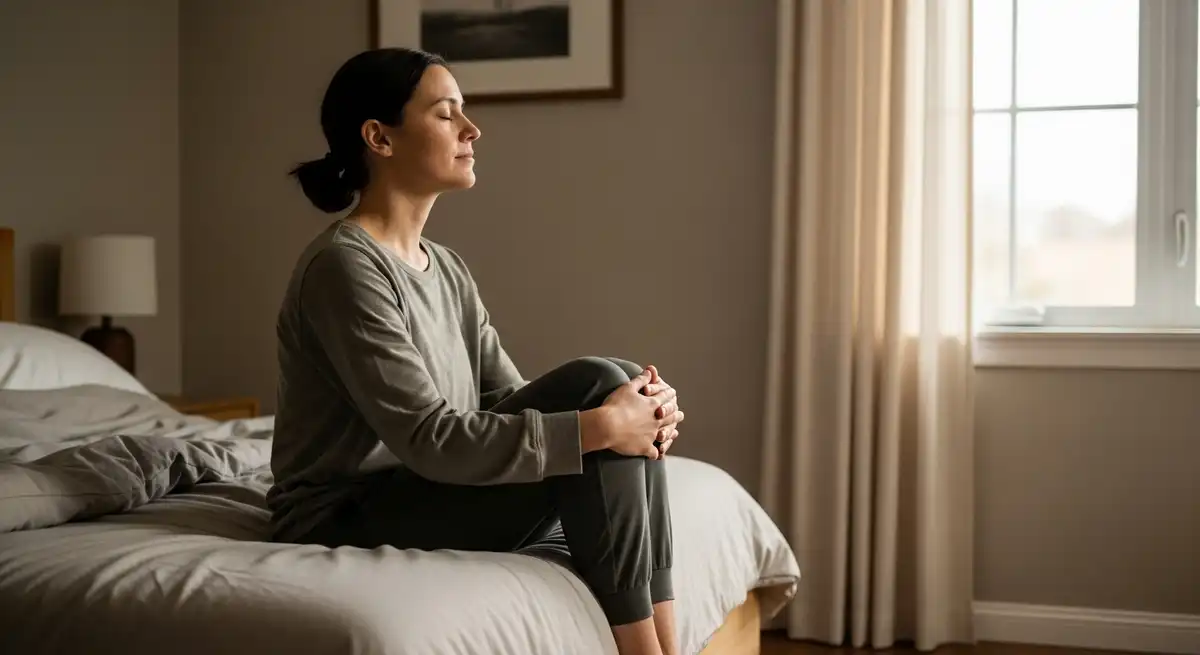
Life can feel out of control when responsibilities, uncertainty, and constant demands begin to stack faster than your emotional capacity can absorb them. This often happens during long stretches of pressure, when work expectations, family needs, and personal concerns overlap without clear boundaries. Feeling unsettled in these moments is a common human experience, not a personal shortcoming or lack of strength.
Staying calm does not mean eliminating uncertainty or pretending everything is fine. Wellness educators often describe calm as the ability to stay emotionally steady while responding thoughtfully to what is happening. This skill allows people to function with clarity even when outcomes remain unclear or situations cannot be resolved immediately.
This page explains how to stay calm when life feels out of control using evidence informed wellness and lifestyle principles. The focus remains educational, realistic, and safe, with practices commonly used in daily routines. These approaches support emotional steadiness but do not replace professional medical or mental health care.
Stay calm life feels: Understanding Why Life Feels Out of Control
The feeling that life is out of control often develops gradually rather than appearing overnight. When multiple responsibilities compete for attention, the brain struggles to organize priorities efficiently. This mental overload can create a sense of chaos even when no single problem feels overwhelming on its own.
Stress responses are shaped by how the nervous system reacts to ongoing pressure. When the body stays in a prolonged alert state, emotions can feel stronger and thoughts may become scattered or repetitive. This reaction reflects biology at work, not a failure to cope or manage life well.
Modern lifestyles also contribute through constant digital input, social comparison, and limited mental rest. Notifications, deadlines, and expectations reduce time for emotional processing. Understanding this context helps normalize the experience and reduces unnecessary self blame.
How to Stay Calm When Life Feels Out of Control Through Awareness
How to stay calm when life feels out of control often begins with awareness rather than immediate action. Awareness involves noticing emotional signals, such as tension or racing thoughts, without labeling them as problems. This simple recognition helps slow escalation and creates space for calmer responses.
Many wellness frameworks emphasize awareness because emotions tend to intensify when ignored. Acknowledging stress early allows people to adjust routines or expectations before overwhelm deepens. Awareness supports steadiness without requiring instant solutions.
Awareness practices fit easily into everyday life, including work, commuting, or parenting routines. They do not require silence, special tools, or long sessions. Over time, awareness helps people recognize patterns and respond with greater consistency.
The Role of the Nervous System in Calm Responses
The nervous system strongly influences how calm or overwhelmed a person feels. When the body remains in a constant state of alert, even small challenges can feel urgent or threatening. Understanding this process explains why calm can feel difficult during busy or uncertain periods.
Calm responses are often linked to activation of the parasympathetic nervous system, which supports rest and emotional balance. Many everyday wellness practices aim to gently encourage this shift. These practices work by signaling safety to the body rather than forcing relaxation.
Lifestyle strategies that support nervous system balance are generally safe and accessible. They include breathing patterns, physical relaxation cues, and sensory awareness. These methods support emotional steadiness without medical intervention.
Breathing Practices as Lifestyle Support
Breathing practices are commonly used to support calm during moments of emotional intensity. Slow, deliberate breathing helps signal safety to the body, reducing physical tension and mental urgency. This effect occurs because breathing patterns influence heart rate and nervous system activity.
Many people find breathing with a longer exhale helpful in daily situations. Inhaling slowly and exhaling a bit longer can be done quietly at a desk, in traffic, or at home. This practice supports steadiness without drawing attention.
Breathing practices are best viewed as short supportive tools rather than solutions. They do not remove stressors but help people stay composed while responding. With consistent use, breathing practices often improve emotional regulation.
Sensory Grounding in Daily Life
Sensory grounding uses physical sensations to anchor attention in the present moment. This approach helps reduce mental spiraling by shifting focus away from overwhelming thoughts. Wellness educators often describe grounding as a stabilizing lifestyle habit.
Simple grounding may involve noticing physical contact, temperature, or background sounds. These sensations help the brain register safety and stability. Grounding works well during busy routines or emotionally charged moments.
Grounding practices adapt easily across environments, including offices, homes, and public spaces. They are accessible for people with limited time or privacy. Their simplicity supports regular use.
Cognitive Patterns and Emotional Escalation
Thought patterns play a major role in emotional intensity when life feels out of control. Catastrophic thinking and constant prediction can amplify stress without improving outcomes. These patterns often appear automatically during pressure.
Cognitive awareness involves recognizing thoughts as mental events rather than facts. This perspective reduces emotional attachment to distressing ideas. Many people find this shift helpful for maintaining balance during uncertainty.
Cognitive reframing is commonly used in wellness education as a supportive skill. It focuses on evaluating evidence and likelihood rather than suppressing thoughts. This approach supports calm without denying challenges.
How to Stay Calm When Life Feels Out of Control Using Control Awareness
How to stay calm when life feels out of control often involves separating controllable actions from uncontrollable outcomes. This idea is frequently explained as influence versus concern. Focusing on influence reduces frustration and emotional fatigue.
Uncontrollable factors, such as others’ reactions or large external events, consume energy without offering resolution. By contrast, controllable actions restore a sense of agency. This shift supports steadiness even when results remain uncertain.
This concept appears in both traditional philosophy and modern wellness education. It encourages practical action without unrealistic expectations. Over time, it supports resilience and emotional clarity.
Small Actions and Emotional Stability
Small, intentional actions often support calm during overwhelming periods. These actions may not solve major problems, but they create movement and structure. Progress, even in small steps, reduces feelings of helplessness.
Examples include organizing tasks, preparing meals, or setting simple time boundaries. These behaviors reinforce predictability, which supports emotional safety. Structure is commonly linked with steadiness in daily life.
Small actions are especially useful for working parents and caregivers. They fit into busy schedules and provide visible progress. This reinforces confidence and emotional balance.

Decision Fatigue and Mental Load
Decision fatigue occurs when repeated choices drain mental energy throughout the day. Over time, this can reduce emotional regulation and increase irritability. Many people notice this effect during long or demanding days.
Simplifying routine decisions helps preserve mental resources. Planning meals, limiting clothing choices, or automating tasks reduces cognitive strain. These strategies support calm by freeing attention for meaningful decisions.
Lifestyle guidance often highlights reducing unnecessary choices. This approach supports balance without major changes. It is especially relevant for adults managing multiple roles.
Routine as Emotional Support
Predictable routines provide a sense of stability when life feels uncertain. Knowing what comes next reduces mental strain and emotional reactivity. Routines act as anchors during unpredictable periods.
Morning and evening routines are especially helpful. Familiar patterns signal safety to the nervous system and reduce decision fatigue. These routines can be brief and flexible.
For parents and caregivers, routines also support household calm. They reduce conflict and uncertainty for everyone involved. Over time, routines promote steady emotional rhythms.
Mindfulness as a Lifestyle Practice
Mindfulness is commonly defined as paying attention to present experiences with openness. In wellness education, mindfulness is framed as a supportive awareness practice rather than a treatment. It is widely used to support emotional balance.
Everyday mindfulness may include noticing breath, posture, or surroundings during routine activities. This approach integrates easily into daily life. Long sessions are not required.
Mindfulness practices are often adapted for busy schedules. Brief moments of awareness repeated throughout the day can be effective. Consistency matters more than duration.
How to Stay Calm When Life Feels Out of Control at Work
How to stay calm when life feels out of control at work involves managing both tasks and emotional responses. Work environments often demand constant focus and quick decisions. This combination increases stress vulnerability.
Setting realistic boundaries supports emotional steadiness at work. Clear task limits, defined work hours, and short breaks reduce overload. These practices are commonly recommended in workplace wellness guidance.
Emotional calm supports focus and communication. It does not remove pressure but improves response quality. Over time, this supports sustainable productivity.
Parenting and Emotional Regulation
Parents often experience higher emotional demands when life feels out of control. Caregiving requires constant attention, often without rest. This context makes calm practices particularly valuable.
Modeling calm behavior supports both adults and children. When caregivers regulate emotions, children often feel safer. This dynamic supports household stability.
Parent focused wellness guidance emphasizes self compassion. Calm does not require perfection. Small supportive habits make a difference over time.
Social Connection and Calm
Social connection plays an important role in emotional steadiness. Supportive relationships help regulate emotions through shared understanding. This process is often described as co regulation.
Everyday social contact, such as conversation or shared activities, supports balance. These interactions do not need to be intense. Regular connection reduces isolation.
For busy adults, brief check ins often provide enough support. Consistent connection complements other lifestyle practices. This supports calm during demanding periods.
Media Consumption and Emotional Overload
Excessive news and social media exposure can increase feelings of chaos. Constant updates activate alert responses and comparison. Limiting exposure supports emotional regulation.
Wellness guidance often suggests intentional media habits. Checking news at set times reduces mental overload. This supports calm without disengagement.
Mindful consumption encourages balance rather than avoidance. Choosing reliable sources and limiting scrolling helps preserve clarity. This supports steadiness across the day.
Long Term Emotional Resilience
Resilience refers to the ability to adapt to ongoing challenges. It develops through consistent lifestyle habits rather than quick fixes. Calm is often described as part of resilience.
Resilient routines include sleep, nutrition, movement, and rest. These basics support nervous system balance. Skipping them increases emotional vulnerability.
Lifestyle resilience does not remove stress but improves recovery. Over time, people often feel more confident managing uncertainty. This supports emotional wellbeing.
When Additional Support Is Appropriate
Sometimes lifestyle strategies are not enough on their own. Persistent emotional distress may require professional support. Seeking help is a responsible step.
Mental health professionals provide structured guidance for ongoing challenges. Lifestyle practices can complement care but should not replace it. This distinction supports safety.
Educational content aims to inform, not diagnose. Individuals experiencing prolonged distress are encouraged to consult qualified professionals. This approach aligns with ethical wellness standards.
Frequently Asked Questions

Why does life suddenly feel out of control even when nothing major changes
Life can feel out of control due to accumulated stress rather than a single event. Ongoing demands, limited rest, and emotional overload gradually reduce coping capacity. Many people experience this during busy phases, and lifestyle support strategies are commonly used to restore balance.
How to stay calm when life feels out of control every day
How to stay calm when life feels out of control daily involves consistent small habits rather than dramatic changes. Routines, breathing, and boundary setting support steadiness over time. These approaches are generally used as lifestyle supports alongside normal responsibilities.
Is mindfulness safe for everyday stress
Mindfulness is widely considered safe as a general awareness practice. It focuses on noticing experiences without judgment. Many people use it to support emotional balance, though it does not replace professional mental health care.
Can routines really help emotional calm
Routines support calm by reducing uncertainty and decision fatigue. Predictable patterns signal safety to the nervous system. This effect is commonly observed across daily environments for both adults and children.
Does calm mean ignoring problems
Calm does not mean avoiding challenges. It refers to responding without emotional overload. Many wellness educators describe calm as a foundation for clearer problem solving.
How does sleep affect emotional steadiness
Sleep supports emotional regulation by restoring nervous system balance. Limited sleep increases irritability and stress sensitivity. Consistent sleep routines are widely recommended in lifestyle wellness guidance.
Is it normal to feel overwhelmed as a working parent
Feeling overwhelmed as a working parent is common due to competing demands. Balancing work and caregiving requires constant adjustment. Lifestyle supports are often used to help parents maintain steadiness.
Can social connection really reduce stress
Social connection supports emotional balance through shared understanding. Even brief interactions can provide reassurance. This effect is commonly observed in everyday life.
How long does it take to feel calmer using lifestyle habits
Lifestyle habits support calm gradually rather than immediately. Some people notice small changes within weeks, while others need longer consistency. Individual experiences vary.
When should someone seek professional help
Professional support is appropriate when distress persists or interferes with daily life. Lifestyle practices can complement care but should not replace it. Consulting a qualified professional supports wellbeing.
Conclusion
Learning how to stay calm when life feels out of control is an ongoing lifestyle process rather than a quick solution. Calm is supported through awareness, routine, and gentle nervous system care. With consistent, realistic practices, many people experience greater steadiness and confidence when managing daily demands.
Medical Disclaimer
This article provides general wellness information for educational purposes only and does not replace professional medical or mental health care. Consult a qualified healthcare or mental health professional before making changes to your routine, especially if you experience ongoing distress or health concerns.
For wider background on this, see the American Psychological Association on mindfulness.