
Emotional exhaustion is a common experience for many single mothers managing daily responsibilities without consistent relief. It often develops slowly through continuous decision-making, limited rest, and emotional responsibility that rarely pauses. Wellness educators describe this state as a natural response to prolonged overload, not a personal shortcoming or lack of effort.
For single mothers, emotional exhaustion can exist even when life appears stable on the surface. Tasks are completed, children are cared for, and work continues, yet inner energy feels stretched thin. Understanding emotional exhaustion as a lifestyle and stress awareness issue allows space for practical, realistic support strategies.
Managing emotional exhaustion as a single mom focuses on reducing strain and protecting energy, not on fixing yourself. Small, steady adjustments in routines, boundaries, and expectations can support emotional balance over time. These approaches respect real-life limits and avoid exaggerated promises about wellbeing.
Manage emotional exhaustion single: Understanding Emotional Exhaustion in Single Motherhood
Emotional exhaustion refers to a state of ongoing mental and emotional fatigue caused by long-term stress exposure. In single motherhood, stress often comes from overlapping responsibilities related to caregiving, work, finances, and emotional availability. Wellness research links prolonged role overload with gradual depletion of emotional reserves.
This type of exhaustion differs from short-term tiredness after a busy day. It reflects cumulative strain that builds when recovery time is limited. Many single mothers continue functioning effectively while feeling internally drained, which can delay recognition and support.
Viewing emotional exhaustion as a signal rather than a diagnosis helps shift perspective. It encourages lifestyle adjustments instead of self-blame. This approach supports earlier, gentler responses that prioritize sustainability.
Why Emotional Exhaustion Feels Different for Single Mothers
Emotional exhaustion often feels more intense for single mothers because responsibility is rarely shared. Decision-making, emotional regulation, and planning typically fall on one person. This constant load can create a persistent sense of urgency that does not easily resolve.
Social expectations can add pressure by implying that single mothers should compensate through constant strength. This narrative makes it harder to admit depletion. Wellness educators note that emotional strain increases when rest feels undeserved.
Daily life often requires rapid switching between roles such as parent, worker, planner, and emotional support. Each shift uses mental energy. Without intentional support, this pattern can make exhaustion feel permanent rather than temporary.
The Role of Chronic Stress in Emotional Depletion
Chronic stress occurs when the body remains in a heightened state of alert for extended periods. For single mothers, stress is often ongoing and responsibility-based rather than tied to isolated events. Lifestyle research connects chronic stress with emotional fatigue and reduced flexibility.
When stress persists, the body prioritizes short-term coping over long-term recovery. This can make small challenges feel overwhelming. Emotional responses may become reactive or muted rather than balanced.
Understanding chronic stress as a lifestyle factor supports realistic change. Reducing baseline stress through everyday adjustments can gradually ease emotional exhaustion. Small changes often matter more than dramatic ones.
Emotional Exhaustion Versus Personal Failure
Many single mothers interpret emotional exhaustion as evidence of falling short. Cultural messages often equate endurance with competence, reinforcing self-criticism. Wellness education challenges this view by placing exhaustion in context.
Emotional exhaustion reflects sustained output without enough recovery. It does not reflect lack of care, love, or ability. Recognizing this distinction reduces shame and supports healthier self-talk.
When exhaustion is seen as an imbalance rather than a flaw, solutions become more practical. This shift allows single mothers to seek support without guilt. It also supports realistic expectations aligned with human limits.
Recognizing Common Signs of Emotional Exhaustion
Common signs of emotional exhaustion include mental fatigue, low patience, and reduced enjoyment. Some people notice irritability, while others feel emotionally flat. These changes often appear alongside continued productivity.
Physical signs may include heaviness, disrupted sleep, or low motivation. Emotional responses may feel delayed or disproportionate. Wellness educators describe these patterns as signals of depletion.
Recognizing these signs early supports timely lifestyle adjustments. Awareness allows for preventative action rather than crisis response. Early support often reduces long-term strain.
Emotional Exhaustion and Parenting Dynamics
Emotional exhaustion can affect parenting by narrowing emotional bandwidth. Routine conflicts may feel harder to manage. This reflects limited internal resources rather than parenting quality.
Children often sense changes in emotional tone and may respond with increased needs. This can create cycles that deepen strain. Supporting parental wellbeing helps stabilize family dynamics.
Addressing emotional exhaustion often improves interactions naturally. When parents feel steadier, responses become more consistent. This highlights the value of caregiver support.
Nervous System Awareness in Everyday Life
Nervous system awareness involves noticing how stress shows up physically and emotionally. Single mothers often experience heightened alertness due to constant responsibility. Lifestyle guidance emphasizes noticing these signals without judgment.
A constantly activated nervous system prioritizes survival responses. This can make calm thinking feel harder during stressful moments. Understanding this response normalizes reactions.
Awareness practices support gradual regulation. They are not treatments, but everyday tools. Over time, awareness can soften stress responses.
Breathing Practices as Lifestyle Support Tools
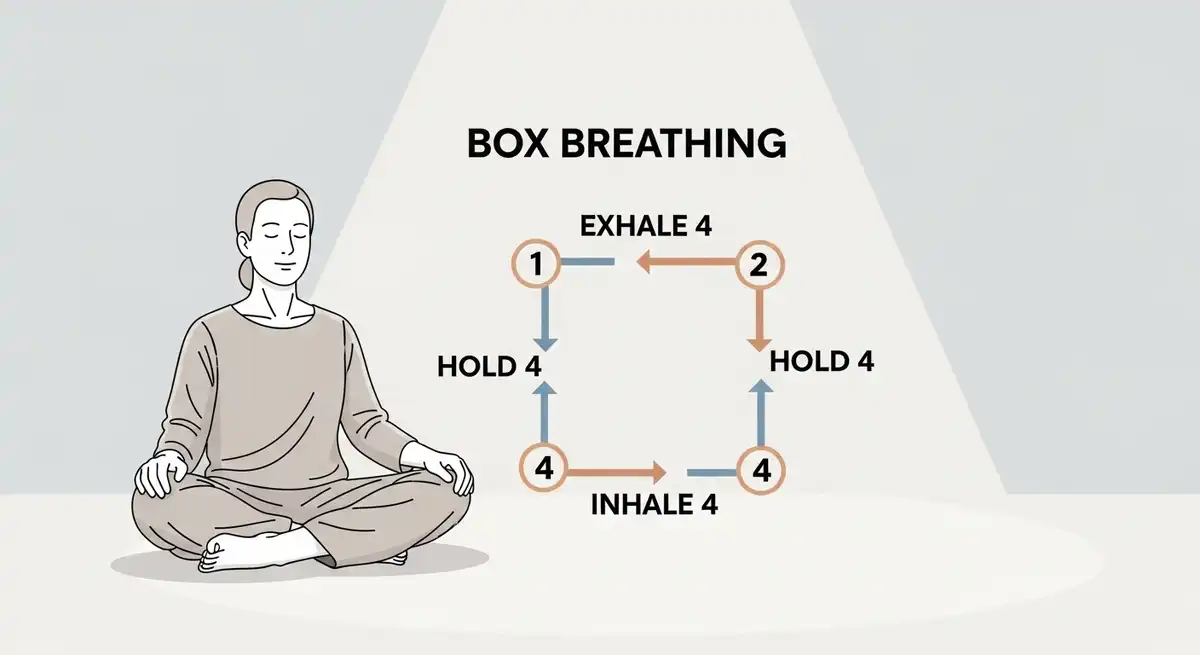
Breathing practices are commonly used to encourage nervous system settling. Paced breathing techniques focus on slowing the breath to signal safety. These practices are widely used in stress education.
In daily life, breathing practices often fit into transitions or tense moments. They require little time and no equipment. Many people find consistency more helpful than intensity.
Breathing practices are supportive habits, not medical treatments. Their value lies in accessibility. Used regularly, they can contribute to steadier emotional states.
Creating Pauses During Overwhelming Moments
Short pauses allow emotional intensity to ease before reactions escalate. In parenting, brief step-away practices are commonly recommended for safety and regulation. These pauses protect everyone involved.
Pausing does not mean avoiding responsibility. It means creating space to reset before continuing. Wellness educators frame pauses as responsible self-management.
Regular pauses reduce cumulative strain. They create moments of relief within demanding routines. Over time, this supports emotional sustainability.
Decision Fatigue and Daily Mental Load
Decision fatigue describes the mental drain caused by repeated choices. Single mothers often manage many decisions alone, increasing cognitive strain. Research links this load with irritability and low energy.
As decision fatigue grows, even small choices feel heavy. This can lead to avoidance or frustration. Recognizing this pattern reduces self-blame.
Reducing unnecessary decisions preserves mental energy. Simplifying routines supports emotional balance. This approach focuses on protection rather than productivity.
Simplifying Daily Routines Safely
Routine simplification means creating predictable patterns for frequent tasks. Examples include rotating meals or fixed morning steps. These reduce mental effort without reducing care.
Simplification is about ease, not rigidity. Fewer choices often bring relief. Many people notice improved consistency.
Over time, simplified routines create stability. This stability supports emotional wellbeing. It allows energy to flow toward connection instead of planning.
Boundaries as Emotional Support Structures
Boundaries define limits around time, energy, and behavior. In families, boundaries provide predictability. Wellness educators describe them as emotional safety structures.
For single mothers, boundaries reduce overextension. Clear limits prevent repeated negotiations. This conserves emotional energy.
Healthy boundaries are calm and consistent. They are not punishments. Over time, they reduce stress and support balance.
Screen Use and Emotional Regulation
Screens affect attention, sleep, and emotional regulation. Unstructured use can increase stimulation. Wellness guidance often includes predictable screen limits.
Consistent boundaries support calmer routines. Improved sleep often follows. This benefits both parents and children.
Screen boundaries are practical supports. Their purpose is rest protection. Small changes can make noticeable differences.
Sleep as a Foundational Lifestyle Support
Sleep supports emotional resilience and stress tolerance. Ongoing sleep disruption increases irritability. Single mothers often experience interrupted rest.
Lifestyle guidance treats sleep as essential, not optional. Simple routines can support better rest. Even small changes matter.
Sleep does not solve everything, but it creates a stronger base. Emotional regulation becomes easier with rest. This supports long-term wellbeing.
Quality Time and Emotional Connection
Emotional connection does not require constant engagement. Research-informed guidance emphasizes focused attention. Short, predictable moments can support security.
Families often use brief daily connection practices. Predictability matters more than duration. This approach reduces pressure.
Focused connection often lowers stress for everyone. It can reduce attention-seeking behaviors. This supports smoother daily interactions.
Movement as Everyday Emotional Support
Movement supports emotional balance by easing physical tension. Lifestyle guidance favors integration over formal exercise. This increases accessibility.
Simple movements can fit into caregiving routines. Walking or stretching are common examples. These support physical and emotional health.
Movement is a supportive habit, not a cure. Benefits build gradually. Consistency matters more than intensity.
Social Connection and Emotional Sustainability
Social connection protects emotional wellbeing. Single mothers may experience limited adult interaction. Isolation can deepen exhaustion.
Supportive connection does not require advice. Being heard often reduces stress. Regular contact matters.
Realistic connection strategies fit busy lives. Even brief interactions help. Connection reduces the feeling of carrying everything alone.
Accessing Supportive Resources Responsibly
Community support resources offer accessible emotional support. These include peer groups and educational services. They are supportive, not therapeutic.
Using support reflects proactive wellbeing care. It does not imply crisis. Many people use resources during high-stress periods.
If exhaustion worsens or persists, professional support may help. Lifestyle strategies complement professional care. They do not replace it.
Balancing Work and Family Responsibilities
Work and family demands often compete for energy. This conflict is common for single mothers. Research links unresolved conflict with exhaustion.
Clear boundaries and realistic scheduling reduce strain. Small changes can improve balance. Flexibility may help.
Balance is an ongoing process. Adaptability matters more than perfection. This supports emotional sustainability.

Emotional Exhaustion and Self-Perception
Exhaustion can affect self-confidence. Comparing current capacity to past energy levels increases frustration. Context matters.
Wellness education encourages situational self-assessment. Capacity changes with demand. This perspective supports compassion.
Gradual recovery improves self-perception. Progress builds over time. Pressure slows recovery.
Mindfulness Principles in Everyday Parenting
Mindfulness refers to present-moment awareness without judgment. It does not require formal meditation. Simple noticing supports clarity.
In parenting, mindfulness may involve noticing stress signals early. This creates space for calmer responses. Over time, interactions steady.
Mindfulness is a supportive tool. It focuses on awareness, not control. Regular use supports balance.
Realistic Expectations and Emotional Recovery
Recovery from emotional exhaustion takes time. Lifestyle guidance emphasizes steady habits. Small changes add up.
Expecting quick relief increases frustration. Patience supports sustainability. Emotional capacity rebuilds gradually.
Progress may fluctuate. Setbacks are common. This perspective supports resilience.
Conclusion
Managing emotional exhaustion as a single mom involves understanding stress, protecting energy, and adjusting routines realistically. Supportive habits such as boundaries, rest, movement, and connection reduce strain over time. These approaches respect individual circumstances and highlight when professional care is appropriate.
Frequently Asked Questions
Why am I so emotionally exhausted as a single mother?
Emotional exhaustion in single mothers often develops from long-term responsibility without consistent relief. Ongoing decision-making, emotional availability, and limited rest contribute over time. Addressing stress awareness, routines, and support systems can help reduce this exhaustion gradually.
What are the signs of burnout in single parents?
Burnout signs may include emotional fatigue, irritability, low patience, and feeling detached from daily experiences. These signs often appear alongside continued functioning. Recognizing them early supports timely lifestyle adjustments.
How can I stop being an angry single mom?
Anger often reflects overload rather than character. Supporting nervous system regulation, rest, and boundaries can reduce reactivity. As stress lowers, emotional responses often soften naturally.
How do single moms deal with lack of support?
Many single mothers build support through peers, community resources, or trusted listeners. Regular connection helps reduce emotional strain. Even brief interactions can provide relief.
Does single motherhood cause chronic fatigue?
Single motherhood itself does not cause fatigue, but sustained stress and limited recovery can. Supporting sleep, routines, and emotional support often improves energy over time.
How do I manage the mental load of parenting alone?
Reducing unnecessary decisions and simplifying routines helps manage mental load. This preserves cognitive energy. Consistency often brings relief.
Is it normal to feel detached from my child as a single mom?
Emotional detachment can occur during exhaustion. It reflects depletion rather than lack of care. Supporting recovery often restores connection.
Where can single mothers find free emotional support?
Community groups, peer networks, and helplines offer accessible support. These resources reduce isolation. They provide connection without judgment.
Medical Disclaimer
This content is for informational purposes only and does not constitute medical advice. It does not diagnose, treat, cure, or prevent any condition. Always consult a qualified healthcare provider for medical or mental health concerns, especially if symptoms persist or worsen.
For wider background on this, see Harvard Business Review on workplace stress.