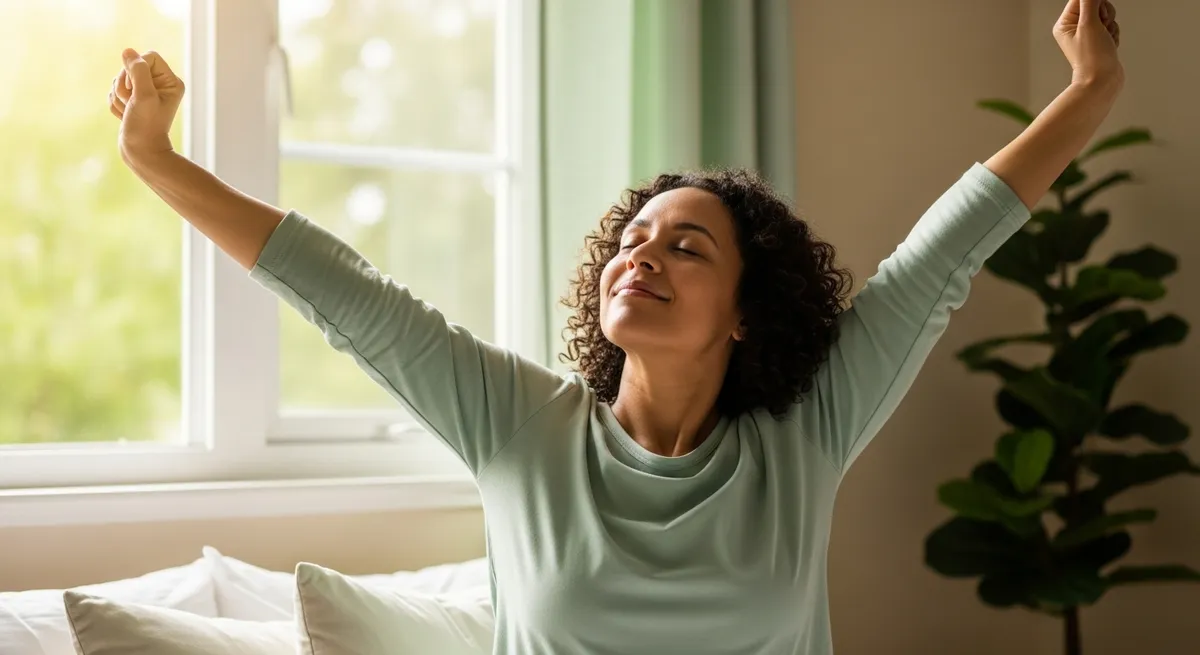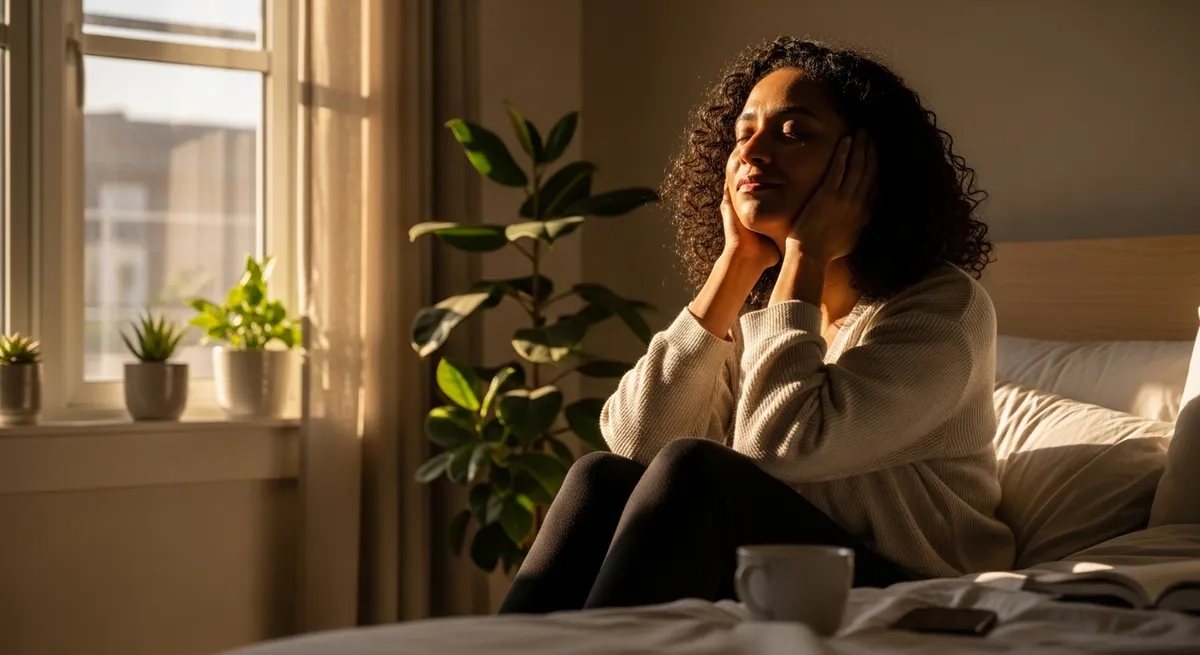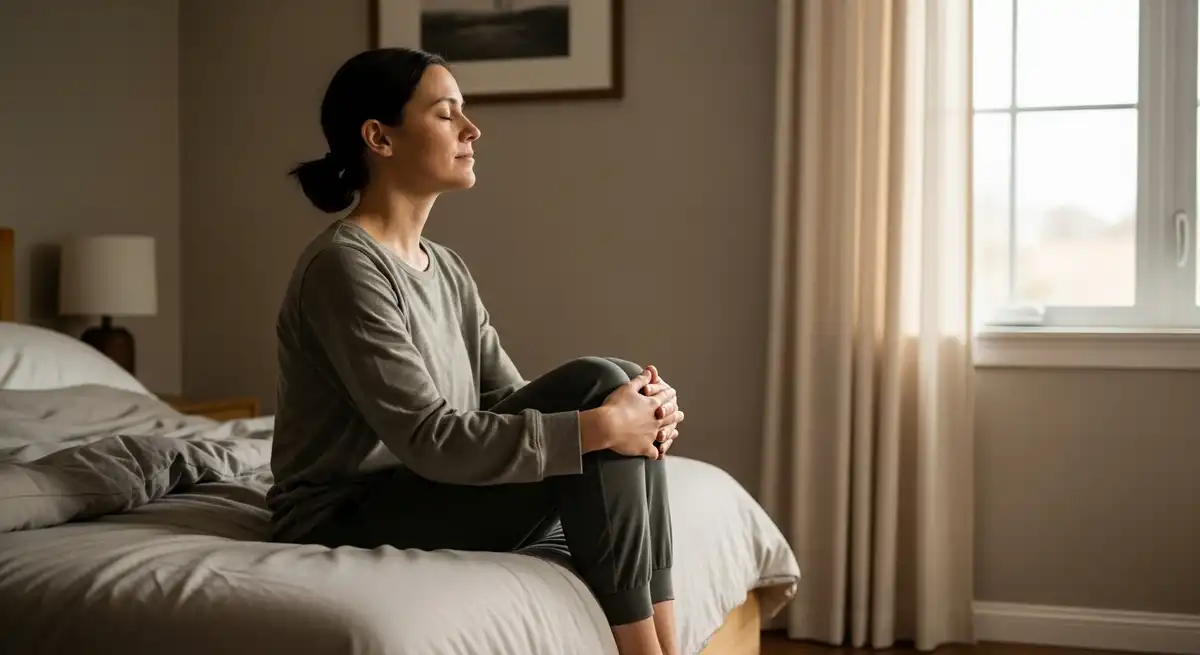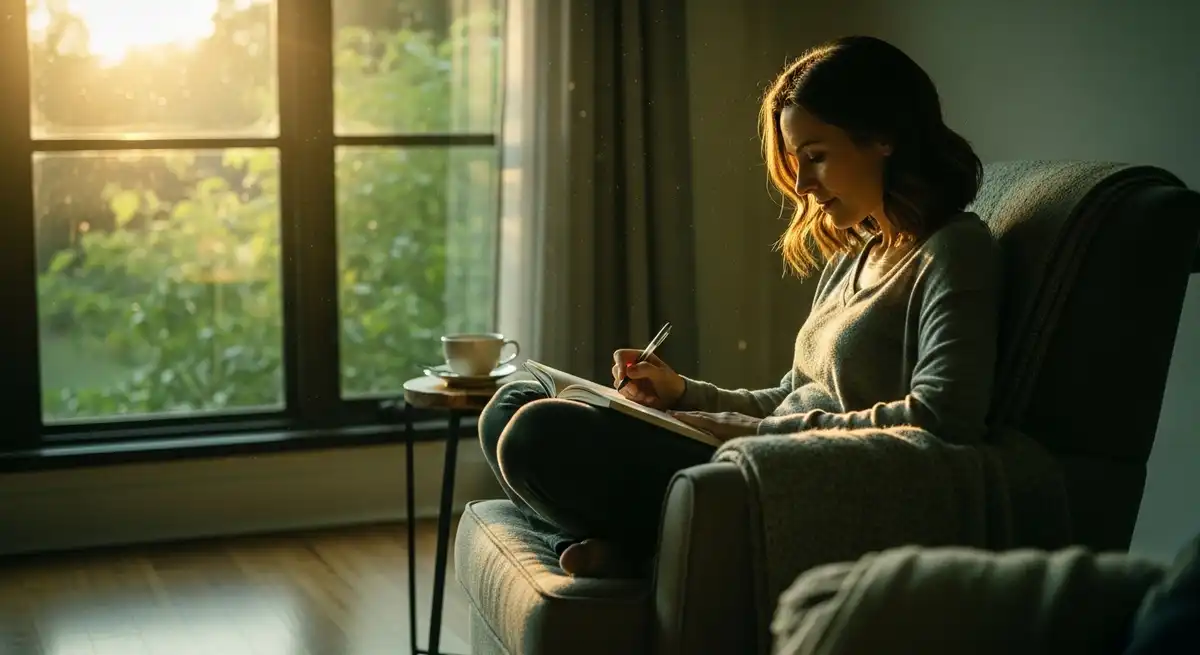
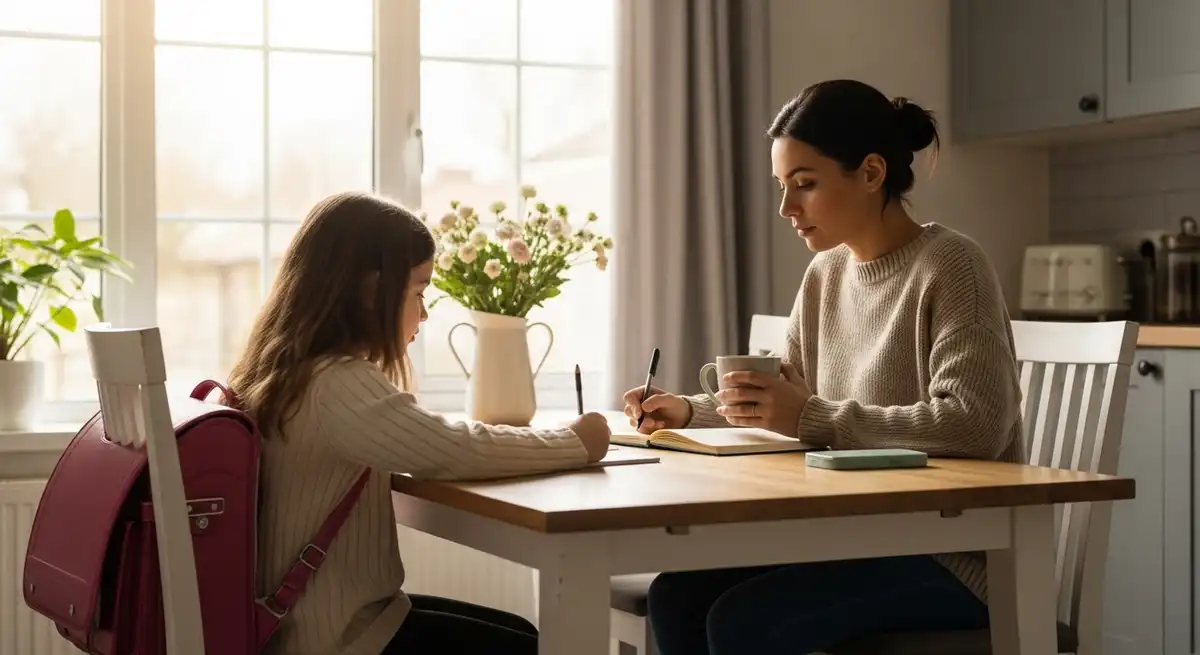
Solo parenting often concentrates responsibility into a single role that stretches across emotional care, household management, and financial stability. Over time, this intensity can quietly narrow how a person sees themselves, until daily life feels defined only by duties. Wellness and lifestyle educators generally observe that preserving a sense of self supports steadier routines, clearer thinking, and long term sustainability in parenting.
Many solo parents function with competence and commitment while feeling internally disconnected from who they were before responsibilities multiplied. This experience is widely understood as a normal response to prolonged pressure rather than a personal shortcoming. Lifestyle guidance focuses on restoring continuity of identity through realistic habits, not dramatic change or motivational pressure.
This guide explains solo parenting without losing yourself as a practical, grounded approach to everyday living. The emphasis remains on clarity, emotional responsibility, and routines that fit real schedules. Each section stands alone, offering educational context without therapeutic claims or promises.
Solo parenting losing yourself: Understanding Solo Parenting as a Role, Not an Identity
Solo parenting is best viewed as a role that requires flexibility, planning, and emotional presence across many areas of life. Roles are shaped by circumstances and change over time, even when they carry deep meaning and responsibility. Seeing parenting as a role rather than a total identity reduces internal pressure and supports healthier emotional boundaries.
When identity becomes fully merged with caregiving, personal needs are often postponed indefinitely. Lifestyle research commonly links this kind of role overload with emotional fatigue and reduced wellbeing. Recognizing the difference between who you are and what you do helps protect mental energy needed for daily decision making.
Separating identity from responsibility does not reduce care for children. Instead, it allows the parent to remain more emotionally steady and less reactive under stress. This framing supports consistent parenting by preserving attention, patience, and problem solving capacity.
Purpose and Assignment in Everyday Life
In lifestyle education, purpose refers to long term values and meaning, while assignments describe responsibilities shaped by timing and circumstance. Parenting fits within the idea of assignment, even though it may last many years and carry strong emotional importance. Confusing assignment with purpose often creates the belief that personal identity must disappear.
When purpose is deferred indefinitely, motivation and self confidence may gradually decline. Wellness educators note that people function more steadily when long term values are acknowledged alongside present duties. Purpose does not require constant action, but it benefits from being named and remembered.
Treating parenting as an assignment within a larger life framework allows flexibility without guilt. This perspective supports resilience during demanding periods and reduces the feeling of being trapped. Over time, it creates space for personal continuity while honoring responsibility.
Identity Preservation Through Self Awareness
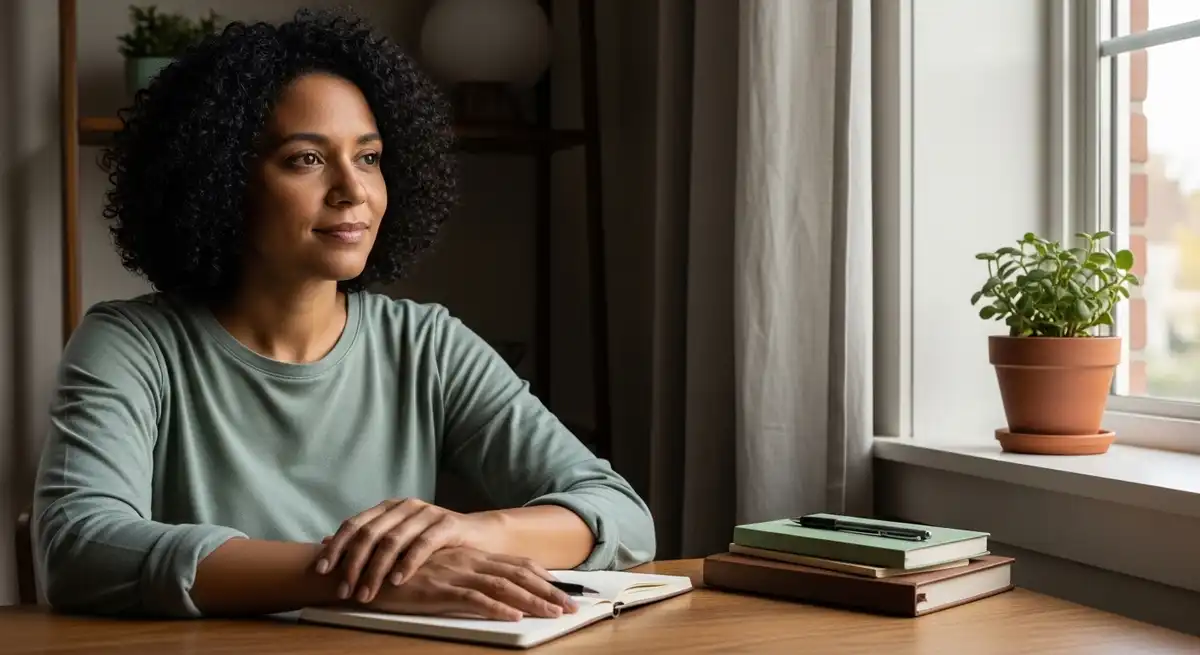
Self awareness plays a central role in solo parenting without losing yourself. This involves noticing emotional responses, energy levels, and personal interests without judgment or urgency. Such awareness is commonly used as a lifestyle support practice rather than a therapeutic method.
Many solo parents spend long periods in problem solving mode. While effective, this state often sidelines reflection and self expression. Gentle awareness helps rebalance attention between external demands and internal experience.
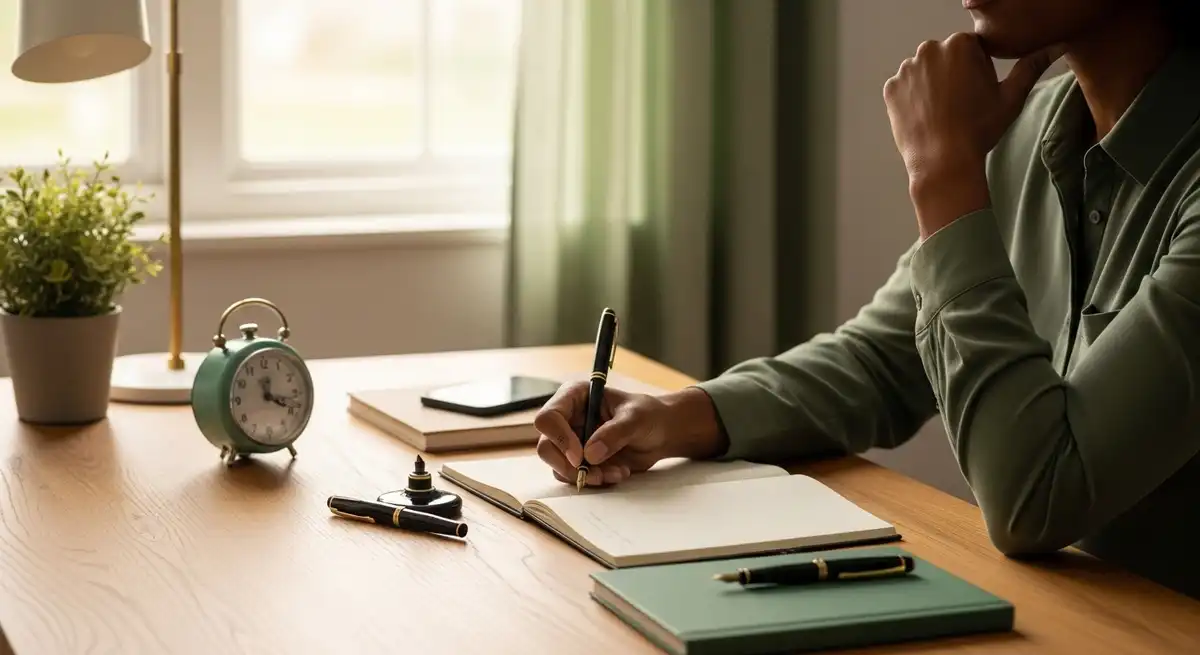
Simple practices such as brief journaling or quiet observation are often used in everyday routines. These do not aim to change emotions or force positivity. They simply help maintain contact with personal identity alongside responsibilities.
Daily Life Without the Balance Myth
Work life balance is often presented as an ideal, yet it rarely reflects the reality of solo parenting. Balance suggests equal distribution of time and energy, which is usually unrealistic. When balance becomes the standard, many parents experience unnecessary self criticism.
Lifestyle guidance increasingly uses the concept of harmony instead of balance. Harmony allows different parts of life to expand or contract depending on circumstances. This approach aligns more closely with fluctuating schedules and changing demands.
Harmony reduces pressure by acknowledging that uneven days are normal. It supports emotional steadiness by removing constant comparison to an ideal. Over time, this framing encourages adaptability rather than self judgment.
Identifying Personal Non Negotiables
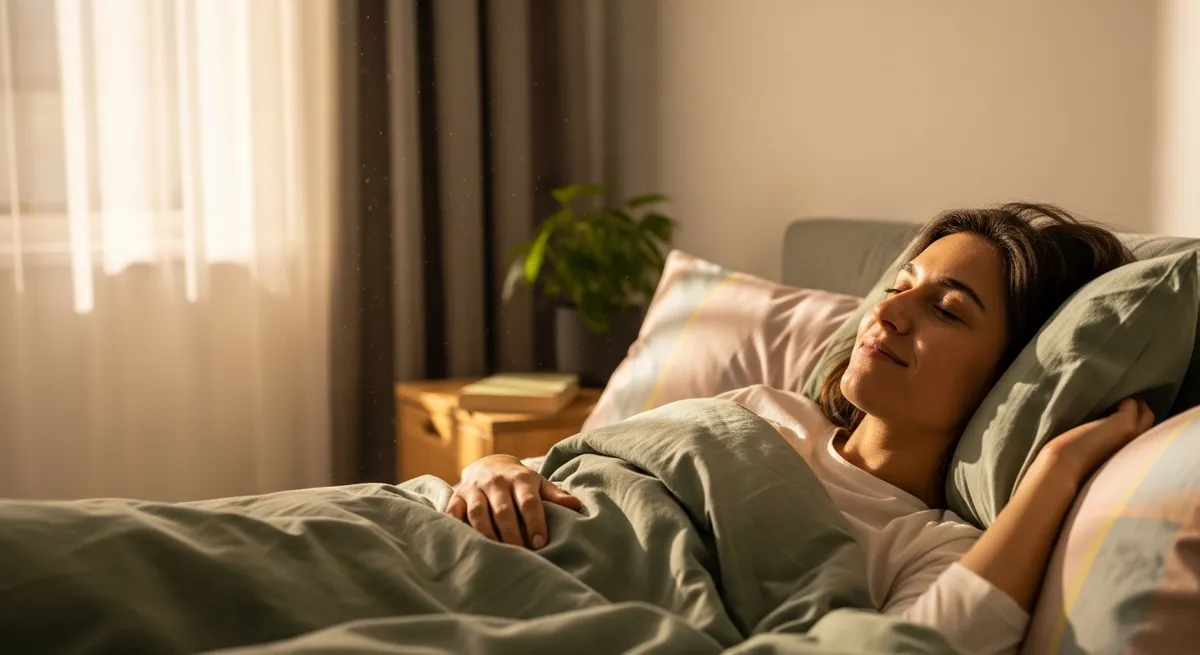
Non negotiables are small, consistent practices that support basic wellbeing. These may include sleep routines, brief movement, or quiet moments during the day. Wellness educators often describe non negotiables as foundational supports rather than luxuries.
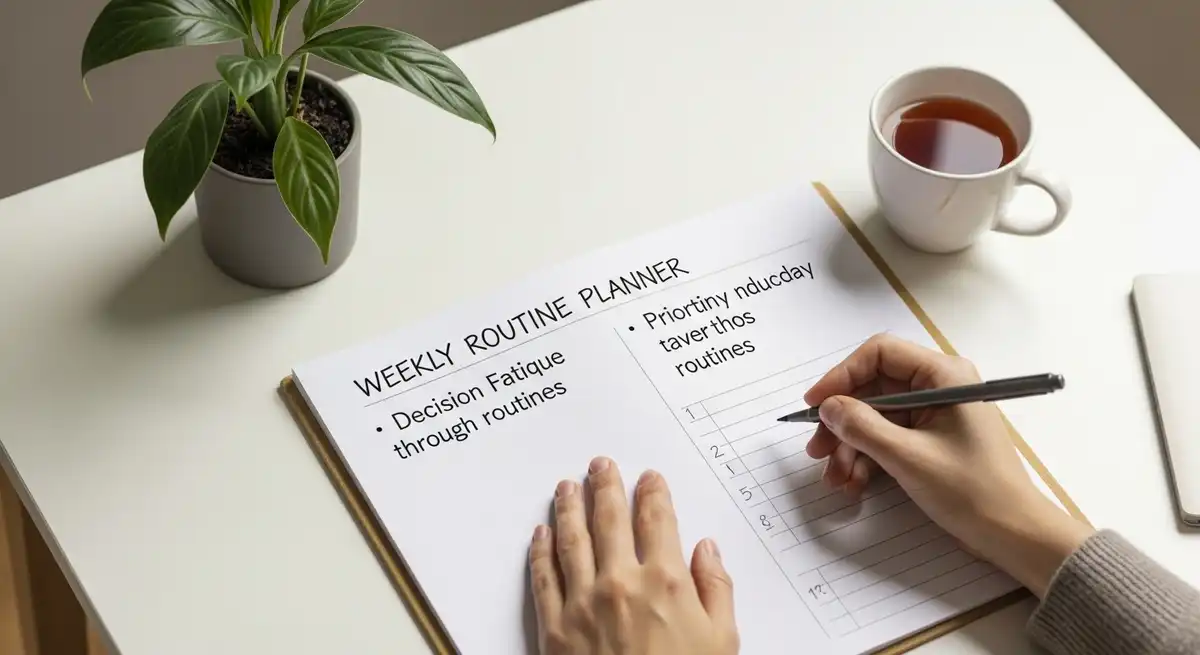
For solo parents, non negotiables help conserve mental energy by providing predictability. They reduce decision fatigue by removing repeated choices around essential needs. This conservation supports clearer thinking and calmer responses.
Choosing non negotiables requires realism. Practices should fit existing schedules without creating pressure. When maintained gently, these habits support emotional stability without demanding significant time or resources.
Internal Stress Versus External Stress
Solo parenting involves external stressors such as workload, time limits, and financial responsibility. It also involves internal stress shaped by beliefs, expectations, and self evaluation. Wellness education highlights that internal stress often amplifies external pressure.
Perfectionism, guilt, and unrealistic standards increase emotional strain even when circumstances stay the same. Addressing internal stress can improve daily experience without changing external demands. This distinction helps focus effort where it has the most impact.
Managing internal stress involves adjusting self talk and expectations. It does not require ignoring challenges. This approach supports emotional regulation while acknowledging real constraints.
Letting Go of the Perfect Parent Ideal
The idea of the perfect parent remains deeply embedded in cultural narratives. This ideal suggests constant patience, unlimited energy, and flawless availability. For solo parents, these expectations are especially unrealistic.
Stress research consistently links perfectionism with emotional exhaustion. When mistakes are interpreted as personal failure, recovery becomes difficult. Releasing perfection allows space for rest and recalibration.
Accepting imperfection does not lower standards of care. It recognizes human limits and responds with self respect. This shift supports steadier parenting and reduces chronic emotional strain.
Acceptance as a Lifestyle Skill
Acceptance is commonly described in wellness contexts as acknowledging reality without resistance. It does not imply approval or resignation. Instead, it reduces energy spent fighting unavoidable conditions.
For solo parents, acceptance applies to fatigue, emotional fluctuation, and imperfect routines. Recognizing these as normal reduces shame and self blame. This emotional neutrality supports clearer responses.
Practicing acceptance often involves naming experiences plainly. This prevents escalation and emotional suppression. Over time, acceptance becomes a stabilizing skill.
Strategic Downtime in Busy Schedules
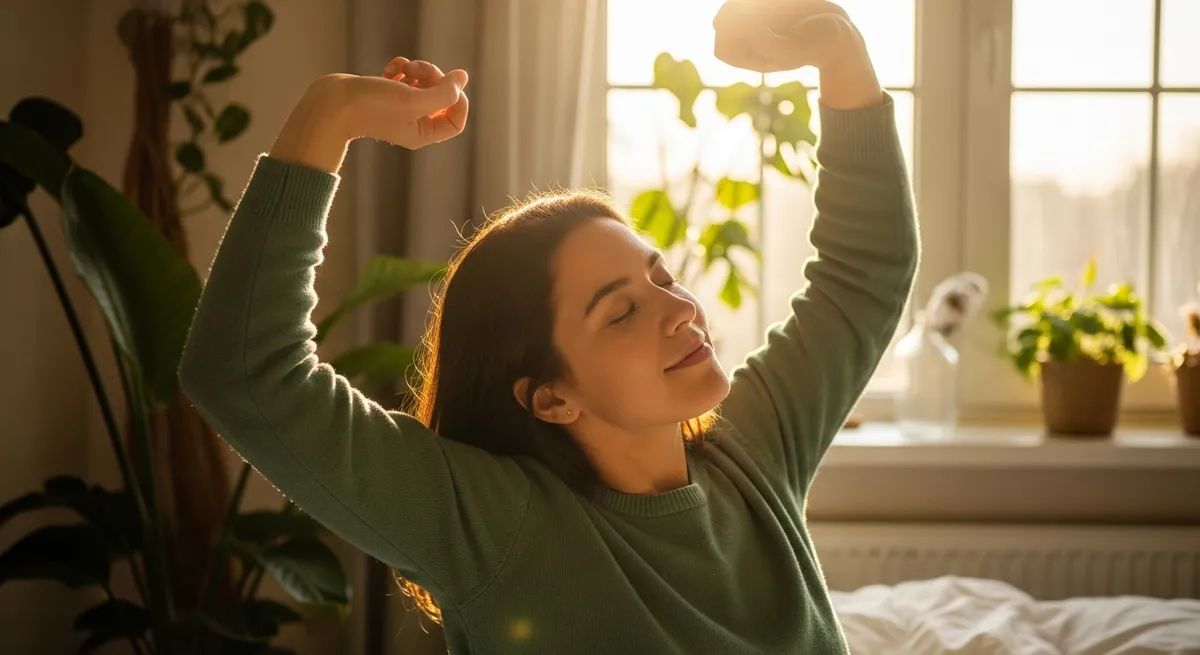
Downtime refers to short periods of rest that allow mental recovery. Lifestyle guidance increasingly emphasizes micro downtime rather than long breaks. These pauses are more accessible within demanding schedules.
Solo parents often dismiss downtime as unproductive. Research on cognitive fatigue shows that short rest periods support sustained attention. Without downtime, decision making gradually weakens.
Strategic downtime can be built into existing routines. Quiet moments during commutes or brief pauses before sleep are common examples. These practices support recovery without additional planning.
Understanding Uptime and Energy Renewal
Uptime refers to activities that increase energy rather than restore it through rest. These often involve movement, creativity, or social contact. Wellness educators distinguish uptime from passive entertainment.
For solo parents, uptime supports emotional vitality and identity continuity. It reminds the individual of interests beyond caregiving tasks. This contributes to a fuller internal experience.
Uptime activities should remain realistic. Short sessions often create noticeable shifts in mood. Consistency matters more than duration.
Building Support Through a Village Approach
A village refers to a network of people offering different kinds of support. This concept emphasizes shared responsibility rather than dependence. Social support is consistently associated with improved wellbeing.
For solo parents, a village may include practical helpers, emotional listeners, and mentors. Each contributes differently, reducing pressure on any single relationship. This diversity supports resilience.
Villages usually form gradually through trust and reciprocity. They do not require constant interaction. Even limited, reliable support can reduce isolation.
Addressing Barriers to Asking for Help
Many solo parents hesitate to ask for help due to pride or guilt. These beliefs are culturally reinforced and often internalized. Wellness educators note that such barriers increase isolation.
Receiving help is commonly linked with stronger social bonds. When framed as mutual support, assistance becomes shared rather than burdensome. This reduces resistance to asking.
Practicing small requests helps normalize support. Over time, networks strengthen naturally. This process supports wellbeing without reducing independence.
Parenting Skills as Transferable Strengths
Solo parenting develops skills that extend beyond home life. These include planning, prioritization, and emotional awareness. Career and lifestyle educators often highlight these abilities as transferable strengths.
Recognizing these skills supports confidence and professional identity. It counters narratives that frame solo parenting only as limitation. This recognition strengthens self perception.
Applying parenting skills in other areas reinforces continuity between roles. Over time, this integration supports growth alongside responsibility.
Learning as Self Preservation
Continued learning supports mental engagement and adaptability. For solo parents, learning does not need to be time intensive. Short formats are often sufficient.
Podcasts, articles, and brief courses provide stimulation without overload. Wellness guidance links learning with cognitive flexibility. This supports long term wellbeing.
Learning reinforces the idea that development remains possible. It supports future planning without unrealistic pressure.
The Role of Routines in Emotional Security
Routines provide predictability, which supports emotional regulation for parents and children. In solo households, routines reduce cognitive load by limiting daily decisions.
Consistent routines create shared expectations. This reduces conflict and uncertainty. Over time, routines function as emotional anchors.
Flexibility within structure keeps routines supportive rather than restrictive. This balance allows routines to serve wellbeing.
Traditions as Low Pressure Connection
Family traditions create shared meaning without complexity. Simple rituals such as weekly meals offer continuity. Wellness educators describe traditions as stabilizing influences.
For solo parents, traditions provide connection without heavy planning. They reinforce belonging and shared identity. This supports emotional security.
Keeping traditions simple prevents stress. Consistency matters more than elaboration.
Staying Present in Daily Life
Presence refers to attention focused on the current moment. In wellness education, presence is linked with reduced rumination. It supports clarity around immediate needs.
Solo parents often experience mental fragmentation due to competing demands. Presence helps reduce this by anchoring attention. This supports calmer responses.
Sensory awareness is commonly used to support presence. It provides a neutral focus without formal practice.
Developing a Supportive Relationship With Self
A supportive internal relationship involves fair self evaluation rather than constant positivity. It emphasizes reasonable expectations and acknowledgment of effort.
For solo parents, internal support compensates for limited external validation. It provides stability during isolation.
Noticing self talk patterns helps develop this relationship. Neutral observation reduces internal stress over time.
Taking Calculated Risks Over Time
Calculated risks involve thoughtful planning rather than impulsive change. Solo parents often approach risk cautiously due to responsibility. Structured evaluation supports growth.
Considering benefits alongside manageable risks reduces anxiety. This applies to career or lifestyle changes.
Taking calculated risks reinforces agency. It counters feelings of being controlled by circumstances.
Practicing Grace During Difficult Moments
Grace involves responding with patience rather than immediate judgment. Difficult moments are inevitable in solo parenting. Grace supports emotional regulation.
Wellness education frames grace as a pause. It allows emotions to settle before action.
Stepping away briefly when overwhelmed supports safety. Over time, grace becomes habitual.
Belief as a Steadying Influence
Belief in personal capability supports endurance. This belief does not promise outcomes. It reflects trust in the ability to respond.
For solo parents, belief supports persistence during uncertainty. Wellness educators link belief with resilience.
Recalling past problem solving reinforces competence. This supports emotional steadiness.

Expanded Frequently Asked Questions
How do I not lose myself as a single mom?
Maintaining identity alongside solo parenting involves recognizing personal values while meeting responsibilities. Lifestyle guidance often emphasizes small, consistent practices that support awareness and energy management. These habits help preserve personal continuity without reducing parental commitment.
Why is single parenting so exhausting?
Single parenting combines multiple roles without regular recovery time, increasing mental load. Research on decision fatigue links constant choices with exhaustion. Addressing internal expectations and building routines often reduces strain.
How can a single mom find time for herself?
Time is often created through small adjustments rather than large changes. Wellness educators suggest integrating brief moments of rest into existing routines. These moments support balance without extended planning.
Is it normal to feel overwhelmed as a solo parent?
Feeling overwhelmed is commonly associated with sustained responsibility and limited support. This response reflects situational pressure rather than weakness. Lifestyle approaches focus on reducing internal stress.
How do single moms manage career and parenting together?
Managing both involves prioritization and boundaries. Skills developed through solo parenting often support workplace adaptability. Recognizing these skills improves confidence across roles.
What does having a village actually involve?
A village involves shared responsibility through different kinds of support. It may include practical help or emotional listening. This approach supports stability without dependence.
How can guilt around self care be reduced?
Guilt often comes from beliefs that personal needs compete with parenting. Wellness education reframes self care as maintenance. This supports acceptance of rest.
What routines help solo parents most?
Routines that reduce decision making support daily functioning. Morning and evening structures are often helpful. These routines support predictability.
How can solo parents stay emotionally present?
Emotional presence is supported by focusing attention on immediate tasks. Wellness practices emphasize grounding rather than multitasking. This reduces mental fragmentation.
When should a solo parent seek additional support?
Additional support is appropriate when daily functioning feels consistently strained. Community or professional resources offer structure. This supports wellbeing responsibly.
Conclusion
Solo parenting without losing yourself centers on maintaining identity within responsibility. Through clarity, realistic routines, and supportive habits, many people experience greater steadiness. This approach values sustainability over perfection and supports both caregiving and personal wellbeing.
Medical Disclaimer
This content is for informational purposes only and does not constitute medical or mental health advice. It is not intended to diagnose, treat, cure, or prevent any condition. Consult a qualified healthcare or mental health professional for personalized guidance.
For wider background on this, see the American Psychological Association on healthy workplaces.