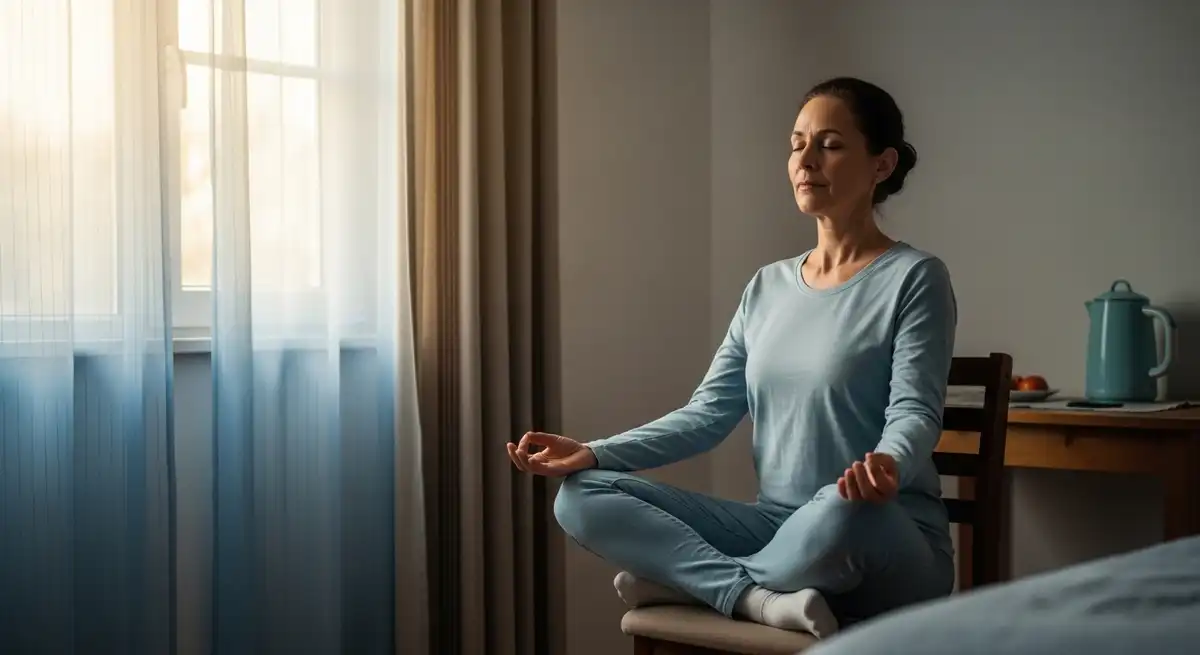
A simple morning meditation practice fits naturally into everyday life because mornings often shape how people respond to the rest of the day. Many adults begin the morning already absorbing messages, household responsibilities, or work pressure, which can create mental noise before the day has properly started. A short, intentional pause in the morning offers a calm transition that supports awareness and steadiness without adding complexity.
Wellness educators commonly describe morning meditation as a lifestyle support rather than a performance or spiritual milestone. It is often used to create a predictable moment of quiet before external demands increase. When practiced gently and consistently, it becomes a stabilizing habit that supports focus, emotional awareness, and balanced decision making across ordinary routines.
Start morning meditation practice: Understanding Morning Meditation as a Lifestyle Practice
Morning meditation refers to a brief period of intentional attention soon after waking, usually before engaging deeply with digital devices or work tasks. It often involves sitting, standing, or lying comfortably while observing breathing, physical sensations, or ambient sounds without judgment. This approach is widely used as an entry point to mindfulness because it is simple, flexible, and accessible to beginners.
Mindfulness within a morning routine focuses on noticing rather than fixing experiences. Thoughts, emotions, and sensations are observed as they appear, without pressure to change them. Many people find this framing helpful because it removes expectations of calm or positivity and instead supports steady awareness over time.
As a lifestyle habit, morning meditation is not meant to replace sleep, movement, nutrition, or professional care. It is generally considered a complementary practice that supports overall wellbeing when combined with healthy routines. This perspective keeps expectations realistic and helps the practice remain grounded in daily life.
Why Mornings Are Commonly Chosen for Meditation
Mornings are often quieter and less interrupted, which can make attention training feel more manageable. External stimulation such as conversations, emails, and news updates is usually lower early in the day. Many people find it easier to focus briefly when the mind has not yet accumulated competing demands.
From a physiological perspective, mornings are associated with natural shifts in alertness and hormone levels. Cortisol, often called the stress hormone, typically rises after waking to support readiness and energy. Gentle mindfulness during this period is often used to notice internal states without amplifying urgency or tension.
Choosing mornings also supports habit consistency. When meditation is linked to waking or another fixed routine, it becomes easier to remember and repeat. Lifestyle guidance frequently emphasizes that regularity matters more than duration for building sustainable habits.
Addressing Common Misconceptions About Meditation
One common misconception is that meditation requires silence, long sessions, or a completely quiet mind. In everyday practice, background noise, wandering thoughts, and physical movement are normal. Understanding this helps reduce frustration and makes meditation feel more realistic and sustainable.
Another misunderstanding is that meditation is only suitable for people who already feel calm or disciplined. Many beginners start precisely because mornings feel rushed or unsettled. The practice is often used during busy or emotionally demanding phases, not only during calm periods.
Meditation is sometimes confused with therapy or treatment. While mindfulness is discussed in mental health contexts, a simple morning meditation practice is generally framed as educational and supportive. It does not diagnose, treat, or replace professional care, which helps maintain clear boundaries.
Preparing a Supportive Morning Environment
Creating a supportive environment for morning meditation does not require a dedicated room or expensive tools. A consistent spot, such as a chair near a window or a quiet corner of a bedroom, is often enough. Familiarity with the space helps the mind associate that location with pausing and noticing.
Visual simplicity is commonly recommended because clutter can draw attention away from the practice. Many people choose neutral, predictable surroundings rather than decorative setups. This supports mental settling without creating additional expectations or upkeep.
Digital boundaries are another practical consideration. Keeping phones, televisions, and computers out of immediate reach reduces automatic checking behaviors. This small adjustment often makes it easier to stay present for a short period without interruption.
Choosing a Comfortable Meditation Posture
Comfort is central when choosing a meditation posture. Sitting on a chair with feet flat on the floor or sitting cross legged on a cushion are both widely used options. The aim is stability without strain, allowing attention to rest on breathing rather than physical discomfort.
Posture guidance usually emphasizes an upright but relaxed spine. Slouching can increase drowsiness, while excessive rigidity can create tension. Finding a balanced position supports alertness while remaining physically sustainable for several minutes.
Hands are typically placed where they feel natural, such as resting on thighs or folded in the lap. Eyes may be closed or softly open depending on comfort and alertness. These choices are practical and can be adjusted as familiarity grows.
Setting Realistic Expectations for Beginners
Beginning with a short duration is often encouraged to support consistency. Many people start with two to five minutes rather than longer sessions. This approach reduces resistance and helps the practice fit into real morning schedules.
Expectations around mental quiet are another important area. Thoughts will continue to arise during meditation, especially in the morning. Noticing this without judgment is commonly described as part of the practice rather than a mistake.
Progress in meditation is usually subtle and gradual. Changes may show up as improved awareness, steadier reactions, or better focus rather than dramatic emotional shifts. Understanding this supports patience and reduces self criticism.
A Simple Framework for Morning Meditation
A basic morning meditation framework provides structure without complexity. It often begins by settling into a chosen posture and taking one or two natural breaths. This signals a shift from sleep or activity into intentional awareness.
The central part of the practice involves gently focusing on breathing sensations. Attention may rest at the nostrils, chest, or abdomen depending on preference. When attention drifts, it is calmly returned to the chosen anchor.
The practice typically ends with a brief transition back to movement. Noticing sounds or physical contact before standing helps integrate awareness into the next activity. This closing moment supports continuity between meditation and daily life.
Understanding Breath Awareness
Breath awareness is commonly used because breathing is continuous and does not require special effort. Observing the breath provides a neutral focal point that is accessible to most people. It also reflects changes in physical and emotional states throughout the day.
Many beginners find it reassuring to learn that breathing does not need to be controlled. Natural breathing is usually enough for mindfulness practice. Allowing the breath to move freely reduces tension and supports relaxation.
When attention moves away from the breath, noticing that shift is considered part of the practice. Returning attention gently builds familiarity with mental patterns. Over time, this supports steadier focus in everyday situations.

Using Gentle Breathing Techniques
Some people find structured breathing techniques helpful at the start of meditation. Slow, rhythmic breathing can support settling and reduce restlessness. These techniques are often used briefly rather than throughout the entire session.
One commonly used approach involves lengthening the exhale slightly. This pattern is associated with calming the nervous system and easing physical tension. Practiced gently, it can help create a smoother transition into quiet awareness.
Breathing techniques should always feel comfortable. Strain, dizziness, or discomfort are signs to return to natural breathing. Ease and safety are prioritized over precision in everyday mindfulness practice.
Working With a Wandering Mind
Mind wandering is a normal part of meditation and daily life. Thoughts about plans, memories, or concerns often appear without intention. Meditation involves noticing these moments rather than trying to eliminate them.
Many educators suggest using simple labels such as planning or remembering to acknowledge distraction. This neutral recognition helps prevent getting caught in the content of thoughts. After labeling, attention is gently returned to the breath or sensation.
This repeated noticing and returning is often described as the core training element. It supports patience and awareness over time. Understanding this reframes wandering as expected rather than problematic.
Addressing Physical Restlessness
Physical restlessness can arise during morning meditation, especially for beginners. Sensations such as itching, shifting, or tension are common. Observing these sensations briefly before adjusting posture is often recommended.
If discomfort continues, making a mindful adjustment is appropriate. Meditation is not meant to involve enduring pain or strain. Listening to the body supports sustainability and reduces negative associations with the practice.
Some people prefer gentle movement based practices when sitting feels difficult. Mindful stretching or slow walking can support similar awareness goals. Flexibility in approach encourages long term consistency.
Meditating Before or After Breakfast
The timing of meditation in relation to breakfast varies among individuals. Some prefer practicing before eating because the body feels lighter and more alert. Others find that light nourishment supports focus and comfort.
There is no universal rule about fasting or eating before meditation. Observing personal energy levels and attention is generally encouraged. Testing different timings over several days can clarify what feels supportive.
Consistency matters more than ideal timing. Choosing a schedule that fits daily life increases the likelihood of regular practice. This practical approach aligns with lifestyle based guidance.
Supporting Consistency Through Habit Design
Habit design involves linking meditation to an existing routine. Waking, brushing teeth, or making tea are common anchors. This connection reduces reliance on motivation and supports automatic repetition.
Visual cues can also support consistency. Leaving a cushion or chair visible acts as a reminder without requiring planning. Small environmental signals often influence behavior more than intention alone.
Tracking practice in a simple way, such as marking a calendar, can reinforce continuity. The emphasis remains on showing up rather than duration or perceived quality. This supports a balanced, non judgmental approach.
Parenting and Working Life Considerations
Parents and working adults often face unpredictable mornings. Short meditation practices are commonly recommended because they fit within limited time windows. Even a few minutes can serve as a grounding pause.
Meditation in shared spaces may include background noise or interruptions. Practicing within these conditions supports flexibility rather than perfection. This reflects real household and work environments.
For caregivers, morning meditation is often framed as self support rather than self improvement. It provides a brief opportunity to check in before attending to others. This framing reduces guilt and unrealistic expectations.
Emotional Awareness and Self Compassion
Morning meditation often increases awareness of emotional states present at waking. Fatigue, worry, or anticipation may become noticeable. Recognizing these states without judgment supports emotional literacy.
Self compassion is commonly emphasized as part of mindfulness practice. Treating oneself with patience and fairness supports resilience over time. This attitude reduces pressure to perform meditation correctly.
Ending practice with a moment of acknowledgment is a simple way to reinforce kindness. Noting effort rather than outcome supports continued engagement. This aligns with responsible wellness communication.
Integrating Mindfulness Into the Day
The effects of morning meditation are often supported by informal mindfulness throughout the day. Brief pauses during transitions help maintain awareness. This might include noticing one breath before starting work or commuting.
These moments do not require formal posture or extended time. They serve as reminders of attentional skills developed during meditation. Integration reinforces learning without adding burden.
Lifestyle guidance often emphasizes that mindfulness is not limited to a cushion. Everyday activities offer opportunities for awareness. This perspective supports sustainability and relevance.
Understanding Limits and Safety
Meditation is generally considered safe for most people when practiced gently. It may increase awareness of difficult emotions or sensations. This is why flexibility and self pacing are emphasized.
If meditation feels overwhelming or distressing, reducing duration or pausing the practice is appropriate. Seeking guidance from qualified professionals may be helpful in such cases. Meditation does not replace medical or mental health care.
Clear boundaries support responsible use of mindfulness practices. Framing meditation as educational and supportive maintains safety. This approach aligns with YMYL editorial standards.
Frequently Asked Questions

Is it better to meditate in the morning or at night?
Morning meditation is often chosen because the mind is less occupied and routines are predictable. Night meditation is also used for winding down. The most supportive time is usually the one that allows consistent, comfortable practice within daily life.
How long should a beginner meditate in the morning?
Beginners commonly start with two to five minutes to support consistency. Short sessions reduce resistance and fit easily into real schedules. Duration can increase gradually if it feels sustainable.
Can meditation be done lying down?
Meditation can be done lying down, especially for comfort or physical limitations. Sleepiness is more likely in this posture. Adjusting position or timing can support alert awareness.
How to handle constant mind wandering during meditation?
Mind wandering is expected during meditation and does not indicate failure. Noticing distraction and gently returning attention is the practice. Over time, this supports awareness in daily activities.
Is falling asleep during meditation a problem?
Falling asleep can happen, particularly when tired or lying down. It often signals a need for rest. Adjusting posture or timing may help maintain wakefulness.
Do you need special equipment to meditate?
No special equipment is required for meditation. A chair, cushion, or quiet space is enough. Simplicity supports accessibility and consistency.
Can meditation support stressful mornings?
Meditation is often used as a supportive practice during stressful periods. It helps create a pause for awareness. It does not remove challenges but may support steadier responses.
How long does it take to build a meditation habit?
Habit formation varies, but consistency over weeks is commonly discussed. Linking meditation to a daily routine supports repetition. Missing days occasionally does not erase progress.
Can parents meditate with children at home?
Parents often meditate in shared spaces with background noise. Short, flexible practices are commonly used. This approach reflects realistic household conditions.
Is morning meditation suitable for working professionals?
Working professionals often use morning meditation to create a calm transition into the workday. Short sessions fit limited time. The practice adapts to individual schedules.
Conclusion
A simple morning meditation practice is best understood as a supportive lifestyle habit rather than a solution or performance. Through brief, consistent attention training, many people experience greater awareness across daily routines. When approached with realistic expectations and flexibility, this practice becomes a quiet, sustainable foundation for balanced living.
Medical Disclaimer
This content is for informational purposes only and does not constitute medical or mental health advice. It is not intended to diagnose, treat, cure, or prevent any condition. Consult a qualified healthcare or mental health professional for personal guidance.
For wider background on this, see the American Psychological Association on stress.