
Feeling constantly pressed for time has become a familiar part of modern working and family life. Many people complete long task lists yet still carry tension, mental noise, and a lingering sense of being behind. Learning how to get things done without feeling rushed is less about speed and more about structure, clarity, and realistic pacing that fits real human lives.
Productivity is often framed as doing more in less time, but everyday experience shows that approach usually leads to fatigue rather than stability. Wellness educators increasingly emphasize calm systems, clear boundaries, and sustainable routines that respect attention limits and emotional energy. This perspective treats productivity as a support for daily life, not a race against the clock.
This page explains how to get things done without feeling rushed using evidence-informed lifestyle principles. The focus remains educational, grounded, and emotionally responsible, without medical claims or motivational hype. Each section stands alone clearly and supports healthier daily rhythms for working adults, parents, and caregivers.
Things done feeling rushed: Understanding the Experience of Feeling Rushed
Feeling rushed often develops from accumulated mental pressure rather than a true shortage of time. When responsibilities stack without clear order, the brain stays alert even during quiet moments. Wellness educators frequently observe that this ongoing alertness reduces patience, clarity, and the ability to feel satisfied with completed work.
Modern schedules often blend professional duties, family needs, digital notifications, and personal expectations into one mental space. Without separation, attention becomes reactive and fragmented. Over time, this fragmentation creates a constant sense of urgency, even during moments meant for rest.
Recognizing that feeling rushed is usually systemic rather than personal can feel stabilizing. This shift reduces self-blame and redirects focus toward practical adjustments. With that mindset, changes become supportive rather than punishing.
The Difference Between Being Busy and Being Productive
Busyness reflects visible activity, while productivity reflects meaningful progress. Many daily actions create motion without producing lasting value. This gap explains why full days can still feel unsatisfying and hurried.
Busy schedules often reward responsiveness instead of impact. Answering messages, attending meetings, and switching tasks provide quick feedback but rarely support deeper goals. Lifestyle guidance commonly encourages separating visible effort from work that truly matters.
Productivity without rush emphasizes intention over constant engagement. Choosing fewer tasks aligned with priorities reduces pressure. Over time, this approach supports steadier progress and a calmer state of mind.
How Urgency Shapes Decision Making
Urgency strongly influences how tasks are chosen throughout the day. Time-sensitive items trigger fast reactions even when their long-term value is low. Behavioral research consistently shows that urgency narrows attention and shortens planning horizons.
When urgency leads, thoughtful work without deadlines often gets delayed. That delay creates future pressure, reinforcing the rushing cycle. Gradually, attention becomes trained to respond to noise instead of importance.
Learning how to get things done without feeling rushed involves reducing unnecessary urgency cues. Clear plans, realistic timelines, and protected focus periods help rebalance attention. These shifts support steadier decisions and calmer execution.
Mental Load and Everyday Cognitive Strain
Mental load describes the number of unresolved items held in awareness. Tasks that remain vague or unscheduled continue to occupy attention. This background processing uses energy even when no action occurs.
Many people underestimate how much mental load contributes to feeling rushed. Small reminders, unfinished plans, and delayed responses quietly increase tension. Over time, this accumulation leads to fatigue and impatience.
Externalizing tasks through lists and calendars reduces this strain. Wellness educators often describe this as creating mental space rather than boosting efficiency. Less mental load supports focus, calmness, and follow-through.
Creating a Reliable Planning System
A reliable planning system reassures the brain that tasks will not be forgotten. When trust in the system grows, the mind stops rehearsing unfinished responsibilities. This trust frees attention for what is happening now.
Effective systems capture tasks quickly and clarify the next step. Vague reminders increase resistance, while clear actions feel manageable. Organizing tasks by context or priority further reduces friction.
Regular review keeps the system dependable. Brief daily or weekly check-ins prevent buildup. This structure supports productivity without urgency by replacing reactivity with rhythm.
Prioritization as a Daily Skill
Prioritization means deciding what deserves attention now and what can wait. Without clear priorities, all tasks compete equally, creating pressure. Defined priorities reduce decision fatigue and emotional strain.
Many productivity educators highlight the difference between urgent and important work. Important work supports long-term stability and wellbeing. Urgent work demands quick response but often lacks lasting impact.
Consistently reserving time for important, non-urgent tasks reduces future crises. Over time, this lowers stress. It supports how to get things done without feeling rushed by preventing predictable emergencies.
Setting Boundaries Around Time and Energy
Boundaries clarify where responsibilities begin and end. Without them, work expands into all available space. This expansion increases exhaustion and reduces satisfaction.
Healthy boundaries include defined work hours, limited availability windows, and realistic commitments. These limits protect recovery time and mental clarity. They also improve reliability by preventing overcommitment.
Communicating boundaries calmly and consistently builds trust. Others adapt when expectations stay stable. This approach supports sustainable productivity without conflict or guilt.
The Role of Saying No
Saying no functions as a practical productivity skill rather than a personal rejection. Each accepted request uses time and energy. When capacity is exceeded, quality and wellbeing decline.
Many people hesitate to decline requests because of social pressure. Lifestyle guidance often frames refusal as clarity instead of selfishness. Clear limits support better outcomes for everyone involved.
Professional refusal often combines acknowledgment, brief explanation, and alternatives. This structure maintains relationships while protecting priorities. Saying no supports how to get things done without feeling rushed by preserving capacity.
Working at a Sustainable Pace
Sustainable pace recognizes that humans are not machines. Energy naturally shifts across days and weeks. Ignoring these rhythms increases errors and fatigue.
Working continuously at maximum intensity reduces effectiveness over time. Occupational health research links prolonged overload with burnout symptoms. Slower pacing supports consistency rather than collapse.
Scheduling demanding tasks during peak energy improves quality. Allowing lighter work during low-energy periods preserves balance. This alignment supports long-term productivity without chronic pressure.
Focused Work and Attention Protection
Focused work involves dedicating uninterrupted time to a single task. This contrasts with multitasking. Research consistently shows multitasking increases errors and extends completion time.
Protecting focus often requires environmental changes. Limiting notifications and interruptions reduces attention switching. These adjustments prevent mental residue from carrying over.
Focused sessions improve satisfaction and output quality. They reduce the feeling of rushing by aligning effort with results. This practice supports calm progress instead of frantic motion.
Time Blocking as a Planning Tool
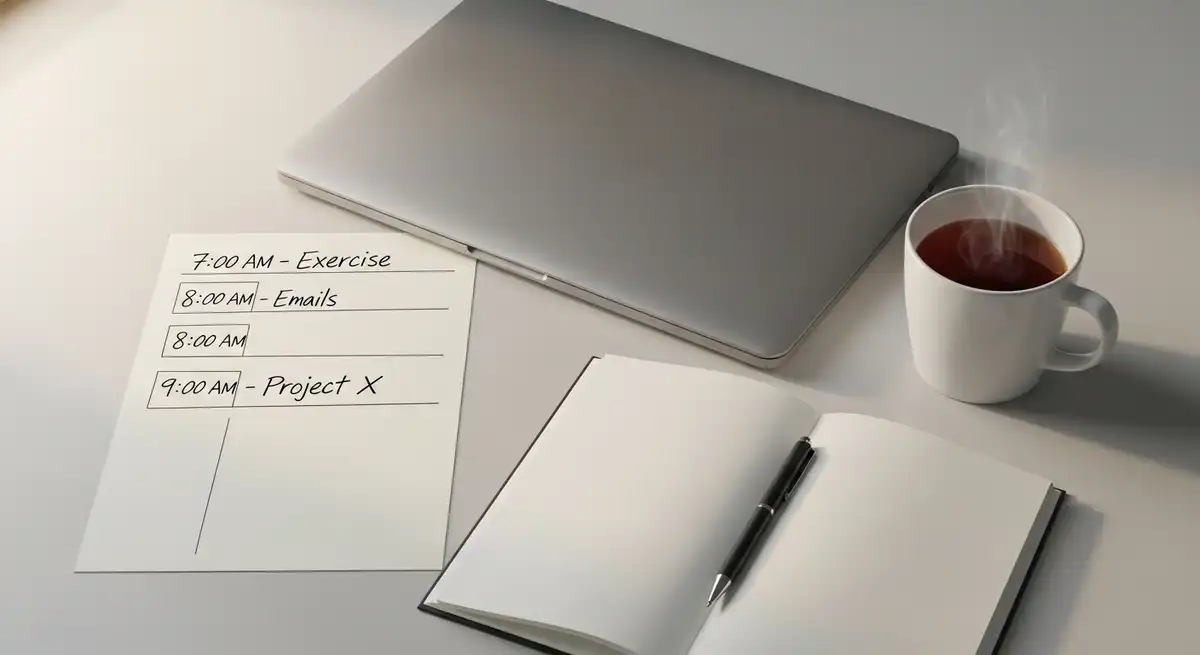
Time blocking assigns tasks to specific calendar periods. This turns intentions into commitments. Ambiguity around timing decreases.
By visualizing the day realistically, time blocking reveals limits. Overloaded schedules become visible, encouraging adjustment. This clarity prevents overcommitment and last-minute stress.
Including buffer time allows flexibility. Delays feel manageable rather than disruptive. Time blocking supports how to get things done without feeling rushed by setting realistic expectations.
Managing Perfectionism and Delay
Perfectionism often appears as high standards but can delay action. Tasks remain unfinished while expectations rise. Pressure increases.
Breaking projects into smaller steps reduces overwhelm. Beginning with imperfect drafts lowers resistance. Many people find momentum builds once action starts.
Accepting gradual improvement supports steady progress. Completion replaces rumination. This mindset reduces rushing caused by last-minute intensity.
Morning Routines and Daily Rhythm
Morning routines influence the tone of the day. Calm beginnings support steadier attention and mood. Chaotic starts increase reactivity.
Effective routines value consistency over complexity. Simple actions like reviewing priorities or preparing materials support clarity. Overly rigid routines can increase stress.
Aligning mornings with realistic energy levels improves follow-through. Gentle structure supports productivity without pressure. This approach helps working parents managing multiple roles.
Parenting Responsibilities and Time Pressure
Parents often manage layered responsibilities without clear separation. Work, caregiving, and household tasks overlap mentally. This overlap intensifies rushing.
Recognizing parenting as labor validates its time demands. Planning must account for unpredictability. Flexibility becomes a productivity skill rather than a failure.
Shared responsibility and realistic standards reduce strain. Calm productivity supports family wellbeing alongside task completion. Balance becomes possible.
Emotional Awareness in Daily Work
Emotions influence productivity as much as schedules. Stress narrows attention, while calm supports clarity. Ignoring emotional signals often increases rushing.
Brief awareness practices help identify overload early. Pausing between tasks resets attention. These moments support regulation without formal training.
Emotionally supportive environments reduce friction. Compassion toward oneself supports consistency. Productivity aligns with wellbeing instead of pressure.
Mindfulness as a Lifestyle Support
Mindfulness in daily contexts refers to present-moment awareness without judgment. It is commonly used to support attention and emotional balance. In productivity settings, it helps notice distraction patterns.
Mindfulness does not require formal meditation. Simple practices include noticing breathing or posture briefly. These moments ground attention during transitions.
Used gently, mindfulness supports calmer pacing. It complements planning tools without replacing them. This integration supports how to get things done without feeling rushed.
Recovery and Rest as Productivity Foundations
Rest supports thinking, mood stability, and physical health. Without recovery, productivity declines regardless of effort. Many people overlook this link.
Regular breaks improve sustained attention. Short walks, hydration, and screen pauses restore capacity. Workplace wellness guidance often recommends these habits.
Protecting rest time prevents cumulative exhaustion. Recovery supports consistency rather than bursts. Balance becomes achievable.
Recognizing Signs of Chronic Rushing
Persistent rushing may show up as irritability, impatience, or constant clock checking. Physical signs can include fatigue or muscle tension. These signals point to overload.
Ignoring early signs often worsens outcomes. Small adjustments work better than recovery after burnout. Awareness supports timely changes.
If symptoms persist or interfere with daily life, professional support may help. Lifestyle strategies complement but do not replace care.
Integrating Productivity With Personal Values
Productivity gains meaning when aligned with values. Without alignment, efficiency feels empty. Values guide prioritization.
Clarifying what matters directs attention. Tasks aligned with values receive focus, while others fade. Internal conflict decreases.
Value-based productivity feels steadier. Fulfillment replaces constant striving. Pressure eases.
Digital Boundaries and Attention Management
Digital tools offer convenience but increase fragmentation. Notifications interrupt focus and create urgency. Managing exposure stabilizes attention.
Scheduled checking times and notification limits reduce reactivity. Over time, attention becomes steadier.
Technology supports productivity best when used intentionally. Boundaries protect mental space.
Evening Routines and Mental Closure
Evening routines support psychological closure. Reviewing completed tasks reinforces progress. Planning the next day reduces mental carryover.
Clear end-of-day signals help disengage. Rest quality improves.
Consistent evening routines support sleep readiness. Mornings feel calmer.

Long-Term Perspective on Productivity
Short-term urgency hides long-term patterns. Sustainable productivity considers months and years. Pressure eases.
Progress measured over time feels stable. Slower periods become acceptable.
Long-term thinking adapts productivity to life stages. Flexibility increases resilience.
Frequently Asked Questions
Why do many people feel rushed even when schedules seem manageable?
Many people feel rushed because mental load stays high even when time is available. Unclear priorities and constant notifications keep attention activated. Reducing mental clutter and urgency cues often restores a calmer sense of time.
How can productivity improve without increasing speed?
Productivity improves by choosing higher-value tasks and protecting focus. Focused work often produces better outcomes than constant activity. This approach values effectiveness over pace.
Is slowing down compatible with professional success?
Slowing down strategically supports quality and consistency. Many professionals use calm systems to sustain performance. Sustainable pacing often improves trust and reliability.
Does mindfulness require formal meditation practice?
Mindfulness in daily life does not require formal meditation. Simple awareness of attention or breathing supports focus. These practices fit easily into work routines.
How do boundaries reduce feeling rushed?
Boundaries limit overcommitment and protect recovery time. Clear limits reduce decision fatigue. This structure supports steadier pacing.
Can parents realistically apply calm productivity principles?
Parents benefit from flexible systems rather than rigid rules. Adjusting expectations and sharing responsibilities supports balance. Calm productivity adapts to caregiving demands.
What role does rest play in productivity?
Rest restores thinking capacity and emotional balance. Without rest, efficiency declines. Recovery supports sustainable output.
How can digital tools increase rushing?
Frequent notifications create constant urgency. Managing digital exposure stabilizes attention. Intentional use supports focus.
Is perfectionism linked to feeling rushed?
Perfectionism often delays action and increases pressure. Smaller steps reduce overwhelm. Progress replaces urgency.
When should professional support be considered?
If stress symptoms persist or affect daily functioning, professional guidance may help. Lifestyle strategies support wellbeing but do not replace care.
Conclusion
Learning how to get things done without feeling rushed involves respecting attention limits, emotional signals, and recovery needs. Calm productivity prioritizes clarity, boundaries, and pacing rather than speed. When daily systems support steadiness and meaning, work becomes sustainable, balanced, and aligned with a healthier life rhythm.
Medical Disclaimer
This content is for informational purposes only and does not constitute medical or mental health advice. It is not intended to diagnose, treat, cure, or prevent any condition. Always consult a qualified healthcare professional regarding personal health concerns.
For wider background on this, see the American Psychological Association on healthy workplaces.