

Radiant skin is often linked to skincare products, yet many wellness educators point out that emotional wellbeing and daily lifestyle habits also shape how skin looks and feels. Stress levels, sleep quality, hydration, and self-perception all influence everyday routines that affect skin comfort. Affirmations are often used as a supportive reflection practice that encourages kinder internal dialogue and more consistent self-care habits.
In modern wellness conversations, affirmations are viewed as a mindset tool rather than a cosmetic solution. They help people shift from constant criticism toward patient and respectful self-talk during daily routines. Over time, this balanced mindset can make habits such as skincare, hydration, and rest feel steadier and less stressful.
Lifestyle guidance often explains that emotional awareness and calm routines can complement traditional skincare habits. Affirmations fit within this broader approach because they encourage thoughtful attention to how people speak to themselves. Practicing supportive language while caring for the skin can help reinforce patience, consistency, and a healthier relationship with appearance.
16 Affirmations for Radiant Skin: Understanding the Mind–Skin Relationship in Everyday Wellness
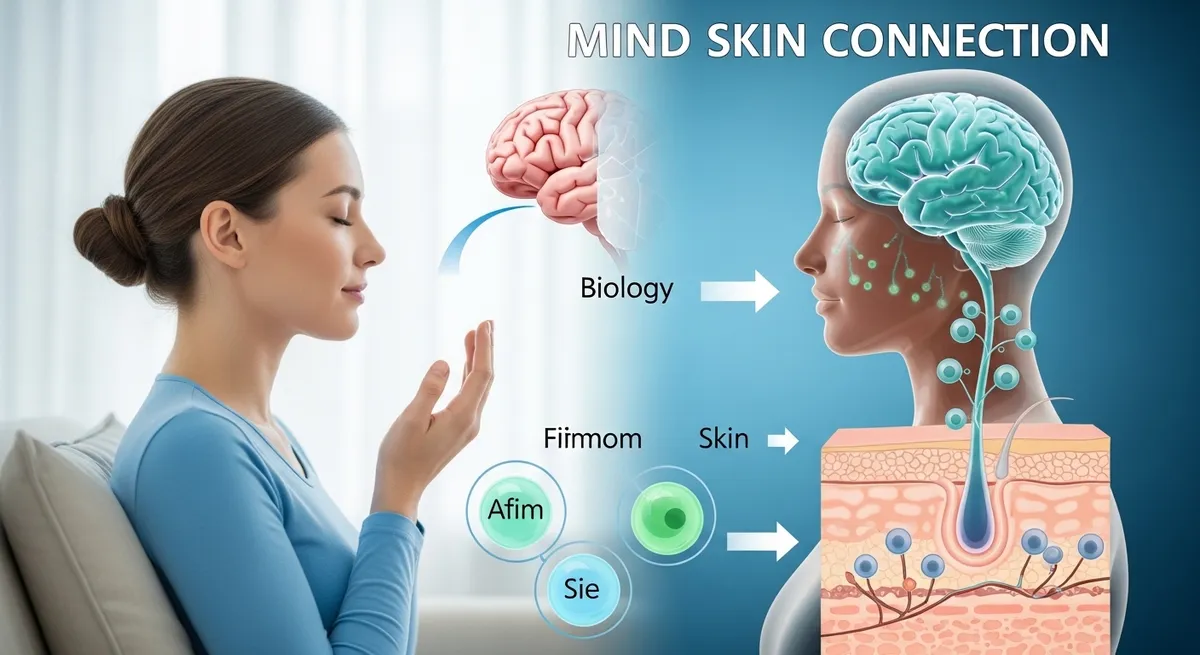
Wellness educators often discuss how emotional experiences can influence physical responses in the body, including the skin. Scientific research sometimes describes this interaction through the neuro-immuno-cutaneous-endocrine system, which refers to communication between the brain, hormones, immune signals, and skin cells. While the biology is complex, daily habits such as sleep, stress awareness, and hydration remain central influences on skin wellbeing.
Dermatology research also notes that the brain and skin share the same embryonic tissue origin, called the ectoderm. Because of this shared developmental background, emotional responses may affect how the body regulates inflammation, oil production, and skin barrier function. This connection does not imply that emotions directly cause skin problems, but it highlights how emotional wellbeing contributes to overall health routines.
In everyday life, tiredness or prolonged stress may appear as dullness, dryness, or temporary skin sensitivity. Lifestyle experts generally recommend focusing on balanced routines that support both emotional and physical wellbeing. Affirmations can become a small daily practice that encourages calm self-talk while maintaining patience during natural skin changes.
Why Thought Patterns Can Influence Everyday Self-Care
Thought patterns shape how people approach personal care habits. When individuals repeatedly focus on perceived imperfections, routines can become inconsistent or emotionally draining. Affirmations encourage replacing harsh self-criticism with balanced language that supports steady daily habits.
Psychological research on self-affirmation theory shows that reflecting on positive personal values can help reduce defensive stress reactions during challenging situations. This concept is widely discussed in behavioral science and wellness education. Affirmations for skin wellbeing use this principle to encourage patience and self-respect rather than unrealistic expectations.
Lifestyle educators frequently explain that emotional calmness helps people stay consistent with habits such as hydration, gentle cleansing, or getting enough sleep. When self-care feels supportive rather than corrective, routines are easier to maintain. Over time, consistent habits often contribute to overall skin comfort and wellbeing.
1. My Skin Reflects a Balanced Mind and Body
This affirmation emphasizes the broader wellness idea that internal balance can influence external appearance. Sleep, emotional stability, and healthy daily habits frequently contribute to how people experience their overall wellbeing, including skin comfort. Repeating this statement encourages individuals to view skincare as part of a holistic lifestyle rather than an isolated beauty routine.
In daily life, this perspective shifts attention away from quick cosmetic fixes and toward long-term habits. Wellness educators often encourage practices such as hydration, balanced meals, and stress awareness. Affirmations reinforce these habits by reminding individuals that caring for the body internally and externally supports overall wellbeing.
2. Beauty Is My Birthright and I Welcome It Today
This affirmation highlights personal acceptance instead of comparison with unrealistic beauty standards. Social media and advertising often present edited images that create pressure to achieve flawless skin. Repeating a statement that acknowledges natural worth encourages a healthier emotional perspective.
Wellness educators often explain that self-acceptance supports more stable emotional environments for self-care. When individuals feel comfortable with their appearance, daily routines such as moisturizing or protecting skin from sunlight feel more like care than correction. This mindset helps encourage consistency rather than frustration.
3. My Skin Is Doing Its Best and So Am I
Skin naturally changes due to weather, hormones, sleep patterns, and environmental factors. Recognizing that the body constantly works to maintain balance can encourage a more patient mindset. This affirmation reinforces compassion toward both the body and personal effort.
Many people notice that self-compassion reduces frustration when progress feels slow. Lifestyle guidance often emphasizes patience and consistency as important elements of sustainable self-care. Repeating this statement helps people acknowledge effort instead of focusing only on visible results.
4. I Am the Guardian of My Healthy Complexion
This affirmation encourages personal responsibility for daily habits that support wellbeing. Hydration, balanced nutrition, sleep, and gentle skincare routines often influence skin comfort over time. Viewing oneself as a caretaker of personal wellbeing can strengthen motivation to maintain these habits.
In everyday routines, this perspective transforms small actions into meaningful acts of care. Washing the face gently, applying sunscreen, or drinking water becomes part of protecting overall health. Over time, these consistent habits help create a supportive environment for skin wellbeing.
5. Every Pore Reflects Natural Vitality
Visualization is a technique often used in mindfulness practices. This affirmation encourages individuals to imagine their skin functioning calmly and naturally instead of focusing on perceived flaws. Positive imagery can help shift attention toward appreciation of the body’s normal processes.
Many people repeat visualization affirmations during quiet moments such as morning preparation or evening skincare routines. Focusing on supportive imagery can encourage relaxed breathing and calmer attention. These moments of awareness often help reinforce a balanced emotional perspective.
6. I Release Anxiety and Allow My Skin to Rest
Stress awareness is widely discussed in wellness education. Emotional tension can affect habits such as sleep quality, hydration, and nutrition, which may indirectly influence skin comfort. This affirmation encourages individuals to notice tension and consciously relax.
Simple breathing practices are often paired with affirmations like this. When people slow their breathing and relax facial muscles, they may experience a sense of calm. That calmer state often supports healthier daily routines and steadier emotional balance.
7. My Skin Has the Ability to Renew and Restore
Human skin continuously renews itself through natural biological processes. Skin cells gradually regenerate as part of the body’s protective barrier and healing system. This affirmation encourages confidence in those natural processes while maintaining consistent care.
Lifestyle educators often remind individuals that skin improvement usually happens gradually rather than instantly. Habits such as hydration, balanced nutrition, and restful sleep support the body’s normal renewal cycle. Patience with this natural timeline helps create realistic expectations.
8. I Nourish My Skin With Gentle Care
Nourishment includes both physical care and emotional respect. Balanced meals, hydration, and protective skincare are commonly recommended habits that support general wellbeing. This affirmation reminds individuals to approach daily care with kindness rather than pressure.
Some people repeat this statement while applying moisturizer or drinking water during the day. Linking positive self-talk with everyday habits can reinforce mindfulness. Over time, routines may feel more intentional and supportive.
9. My Worth Is Greater Than My Appearance
Self-esteem discussions in wellness education often emphasize separating personal value from physical appearance. Skin concerns can affect confidence, especially during adolescence or stressful periods. This affirmation reinforces the idea that identity includes many qualities beyond appearance.
Practicing this perspective can reduce emotional pressure linked to beauty standards. When people focus on relationships, creativity, and personal achievements, temporary skin changes feel less overwhelming. A balanced viewpoint often encourages emotional resilience.
10. Healing and Improvement Take Time
Lifestyle educators frequently explain that meaningful changes in wellbeing happen gradually. Skin health, like many aspects of physical care, responds best to consistent habits rather than quick solutions. This affirmation reinforces patience with natural progress.
People who adopt this mindset often feel less discouraged when improvements appear slowly. Instead of constantly switching routines or products, they focus on steady habits. Consistency becomes the foundation of sustainable self-care.
11. My Natural Beauty Evolves With Age
Healthy aging discussions emphasize that appearance naturally changes over time. Wrinkles, texture differences, and tone variations are normal aspects of aging. This affirmation encourages acceptance of those changes as part of life.
Wellness educators often encourage focusing on vitality and comfort rather than perfection. Habits such as protecting skin from sunlight, staying hydrated, and maintaining balanced nutrition support healthy aging. Acceptance helps maintain a calmer emotional relationship with appearance.
12. My Face Reflects Consistent Self-Care
Visible wellbeing often develops through repeated daily habits. Adequate sleep, hydration, balanced nutrition, and gentle skincare routines all contribute to how skin appears and feels. This affirmation highlights the value of consistency.
Individuals who follow stable routines often report greater satisfaction with their personal care practices. Instead of chasing rapid results, they focus on sustainable habits. Over time, these routines support a sense of balance and wellbeing.
13. I Trust My Body’s Natural Balance
The body constantly works to maintain internal stability through processes known as homeostasis. Hormones, immune responses, and cellular repair systems operate continuously to protect health. This affirmation encourages confidence in those natural systems.
Lifestyle guidance often recommends supporting this balance through rest, hydration, and balanced meals. Recognizing the body’s resilience can reduce unnecessary worry about minor changes. A calmer perspective often improves self-care routines.
14. I Notice Beauty When I Look in the Mirror
Mirror habits can shape emotional wellbeing. Some individuals develop the habit of searching for flaws whenever they look at their reflection. This affirmation encourages shifting attention toward appreciation of natural features.
Over time, practicing this perspective can reshape how people see themselves. Instead of focusing only on imperfections, they may begin noticing qualities such as expression, warmth, and individuality. This approach encourages healthier self-perception.
15. Positive Thoughts Support My Wellbeing
Thought patterns influence emotional state, motivation, and daily habits. When individuals practice supportive thinking, they may find it easier to maintain routines that promote wellbeing. This affirmation encourages balanced internal dialogue.
Wellness education typically presents positive thinking as a supportive practice rather than a guaranteed outcome. Maintaining realistic expectations remains important. Balanced thinking simply encourages steadier habits.
16. I Appreciate the Skin I Live In
This final affirmation reflects the principle of self-acceptance. Skin carries signs of personal experiences, environmental exposure, and daily habits. Recognizing this natural variation encourages respect for the body.
Many people find that acceptance creates a calmer relationship with personal care routines. Instead of pursuing perfection, they focus on supporting comfort and wellbeing. This approach helps maintain sustainable habits.
Using Affirmations Safely in Everyday Routines
Affirmations are commonly practiced during quiet moments such as morning preparation or evening skincare. Repeating statements calmly allows individuals to reflect on personal intentions for self-care. Many people combine affirmations with breathing exercises or journaling.
Consistency matters more than duration. Even a short daily practice can encourage reflection and emotional balance. Over time, this habit may help individuals approach self-care with patience.
Affirmations are not intended to replace professional dermatological care. Persistent or severe skin concerns should be evaluated by qualified healthcare professionals. Affirmations simply function as a supportive habit within broader wellness routines.
Everyday Lifestyle Practices That Support Skin Wellbeing
Healthy lifestyle habits often complement affirmation practices. Adequate hydration supports normal bodily processes, while balanced nutrition provides nutrients necessary for skin maintenance. Regular sleep schedules allow the body to perform natural repair processes.
Protective habits such as sunscreen use and avoiding excessive sun exposure are widely recommended by dermatology experts. Gentle skincare routines help maintain the skin barrier that protects against environmental stressors. Affirmations reinforce these habits by framing them as acts of care.
Stress awareness also contributes to everyday wellbeing. Activities such as walking, stretching, reading, or spending time outdoors can create moments of relaxation. These simple practices often support emotional balance.
Parenting and Working Life Considerations
Parents and working professionals often manage demanding schedules that leave limited time for lengthy self-care routines. Short affirmation practices can fit easily into existing habits such as washing the face or preparing for the day. These brief moments can create calm during busy routines.
Working mothers frequently balance professional responsibilities with caregiving tasks. Wellness educators often suggest simple practices that require minimal time. Affirmations may serve as quick reminders to maintain patience and self-compassion during demanding days.
Family environments also influence how children develop attitudes toward appearance and self-care. When adults model balanced language about the body, younger family members often adopt healthier perspectives. Calm self-talk contributes to a supportive household atmosphere.
Frequently Asked Questions
Can affirmations really improve skin appearance
Affirmations are generally used as a mindset practice that encourages supportive self-talk and emotional balance. They do not treat skin conditions, but they may help people maintain consistent self-care habits. Consistent routines often contribute to overall wellbeing and skin comfort.
How long does it take to notice benefits from affirmations
Affirmations function as a habit that develops gradually. Many individuals report feeling calmer about their routines after several weeks of consistent practice. Visible skin changes usually depend on multiple lifestyle factors such as sleep, nutrition, and skincare habits.
Can stress influence how skin behaves
Stress can affect daily habits such as sleep quality, hydration patterns, and dietary choices. These factors may influence skin comfort and appearance. Managing everyday stress is commonly recommended as part of general wellness routines.
Are affirmations a replacement for dermatology care
Affirmations are not a substitute for professional medical advice or dermatological treatment. Individuals experiencing persistent skin concerns should consult qualified healthcare professionals. Affirmations can be used alongside professional care as a supportive personal habit.
What is the best time of day to practice affirmations
Many people practice affirmations during morning or evening routines because those times are naturally quiet. Consistency is generally more important than timing. A brief daily repetition often helps establish the habit.
Can affirmations help with confidence
Affirmations are often used as a reflective practice that encourages positive internal dialogue. Repeating supportive statements may gradually reduce self-criticism. Confidence typically develops through multiple experiences including self-acceptance and consistent self-care.
Do affirmations work for everyone
Individuals respond differently to affirmation practices depending on personality and preference. Some people find them helpful for maintaining balanced thinking, while others prefer journaling or meditation. Wellness guidance usually recommends choosing methods that feel natural.
Are affirmations connected to mindfulness
Affirmations are frequently included in mindfulness routines because they encourage awareness of thoughts and emotions. Practicing them slowly can create a brief moment of reflection. This pause helps individuals approach daily routines with greater intention.
Can affirmations be combined with skincare routines
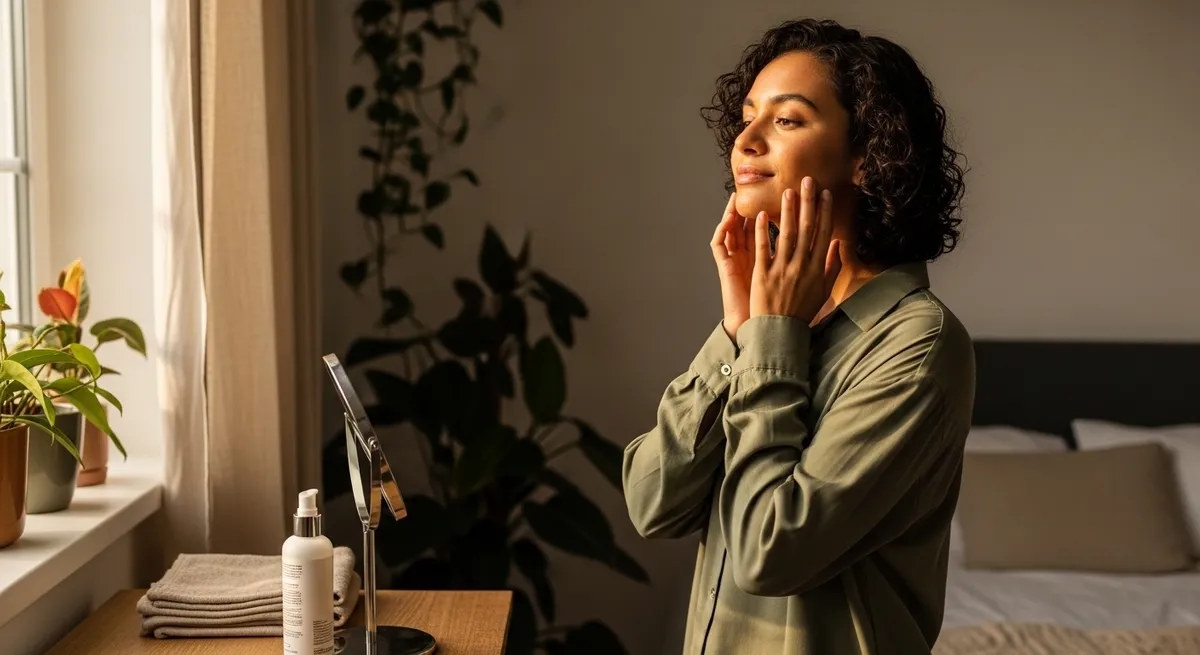
Many people repeat affirmations while applying skincare products or washing the face. This pairing connects emotional awareness with physical care habits. Over time, routines may feel more meaningful.
Are affirmations safe for teenagers
Affirmations are generally considered a safe reflective practice when presented with balanced language. Encouraging supportive self-talk may help young people develop healthier attitudes toward appearance. Parents and educators often emphasize that personal value extends beyond physical traits.
Conclusion
Affirmations for radiant skin are best understood as a supportive mindset practice rather than a cosmetic solution. They encourage patience, self-acceptance, and thoughtful daily habits. When combined with consistent lifestyle routines and professional guidance when necessary, affirmations can support a calmer and more balanced approach to personal wellbeing.
Medical Disclaimer
This content is for informational purposes only and does not constitute medical advice. Consult a qualified healthcare provider before starting any new health program, supplement, or treatment, especially if you have existing medical conditions.
Image Generation Prompts
For wider background on this, see the Greater Good Science Center at UC Berkeley.