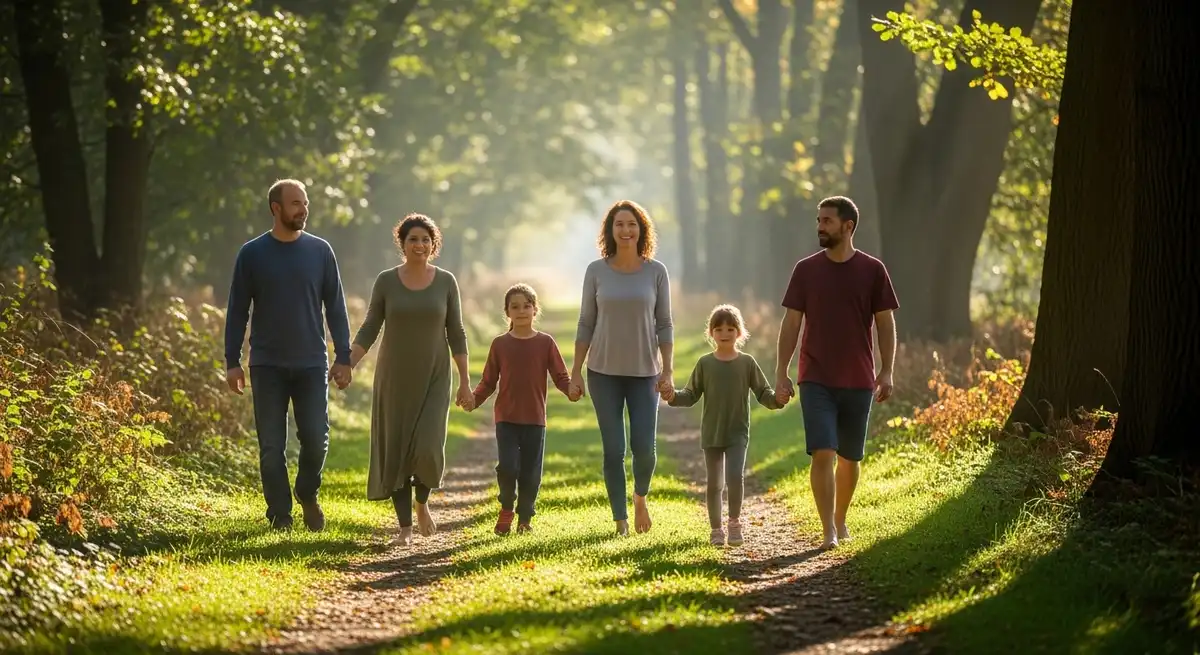
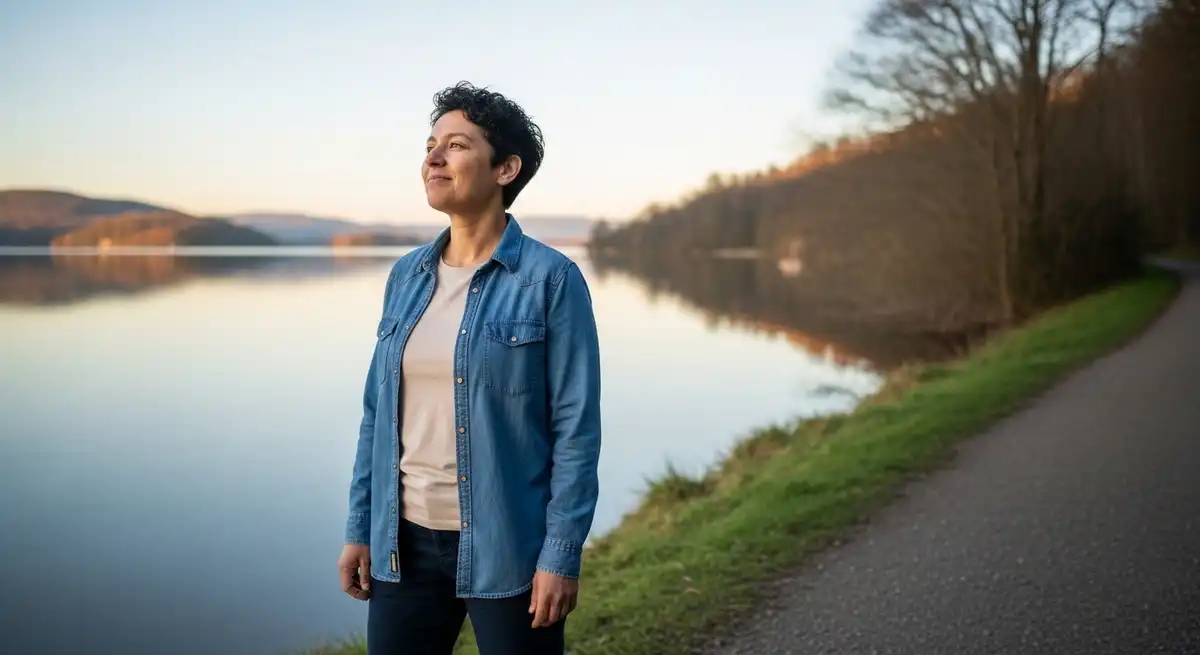
Emotional wellbeing is shaped by everyday routines, work demands, family responsibilities, and long hours spent indoors. Many people notice emotional fatigue or mental heaviness without experiencing a clear crisis or diagnosable condition. Emotional healing through nature walks is widely discussed in wellness education as a supportive lifestyle practice that encourages emotional steadiness through regular contact with natural surroundings.
This approach is not positioned as treatment or therapy. It is commonly described as a non-clinical, everyday habit that can sit alongside rest, social connection, and professional care when required. Emotional healing through nature walks fits into a broader lifestyle conversation focused on balance, awareness, and sustainable routines rather than outcomes or promises.
Nature walks do not require special equipment, athletic ability, or access to wilderness areas. They rely on consistent exposure to outdoor environments, gentle movement, and simple awareness of surroundings. Wellness educators often describe this practice as a stabilizing routine that supports emotional awareness across different life stages and responsibilities.
Emotional Healing Through Nature Walks: Understanding Emotional Healing Through Nature Walks
Emotional healing through nature walks refers to intentionally spending time walking in natural or semi-natural environments to support emotional balance. This practice draws from environmental psychology, which examines how surroundings influence mood, attention, and stress perception. It is commonly used as a regular habit rather than an intensive or time-limited activity.
Natural settings tend to offer sensory experiences that differ from indoor or highly built environments. Light changes, natural sounds, varied textures, and open visual space create a form of attention that feels less demanding. Many people notice that this type of sensory input supports emotional calm and mental clarity over time.
Walking adds gentle physical movement without performance pressure. The body stays active while the mind is not required to plan or respond rapidly. For working adults, parents, and caregivers, this combination often feels restorative rather than draining, which supports long-term consistency.
Environmental Psychology and Mental Restoration
Environmental psychology helps explain why natural surroundings are often linked with emotional steadiness. Research in this field suggests that built environments demand sustained focus and decision-making, which can contribute to mental fatigue. Over time, this fatigue may show up as irritability, reduced patience, or emotional flattening.
Natural environments engage attention in a softer way. Visual elements like trees, clouds, or flowing water allow observation without constant evaluation. This experience is commonly associated with mental restoration, where attention feels refreshed rather than forced.
Emotional healing through nature walks applies these principles in everyday life. By choosing environments that place fewer demands on attention, people create space for emotional regulation without effort or technique. This passive support is one reason the practice is widely recommended in lifestyle education.
Stress Awareness and Nervous System Regulation
Stress awareness involves noticing physical and emotional signals that suggest overload. These signals might include muscle tension, shallow breathing, mental restlessness, or difficulty focusing. Nature walks are often used as a context where these signals naturally ease without deliberate intervention.
Exposure to outdoor environments is commonly associated with activation of the body’s rest-and-digest response. This state supports slower breathing, reduced muscle tension, and a calmer emotional baseline. While individual experiences vary, many people describe feeling less reactive after time outdoors.
Walking slowly supports this shift by reducing urgency. Traffic, notifications, and confined spaces are replaced with open views and rhythmic movement. Emotional healing through nature walks often begins with this simple change in pace and environment.
Time in Nature and Emotional Balance
Wellness guidance generally emphasizes regular exposure to nature rather than long or dramatic experiences. Emotional healing through nature walks does not depend on remote locations or extended hikes. Short, frequent walks in familiar outdoor spaces are commonly linked with emotional steadiness.
Public health research often notes improvements in mood and perceived wellbeing among people who spend time outdoors each week. These findings apply across age groups and fitness levels. The emphasis remains on access and consistency rather than intensity.
For parents and busy professionals, this flexibility matters. Ten to twenty minutes outdoors can fit between responsibilities without adding pressure. Over time, these brief moments support emotional balance through repetition rather than effort.
Forest Environments and Sensory Engagement
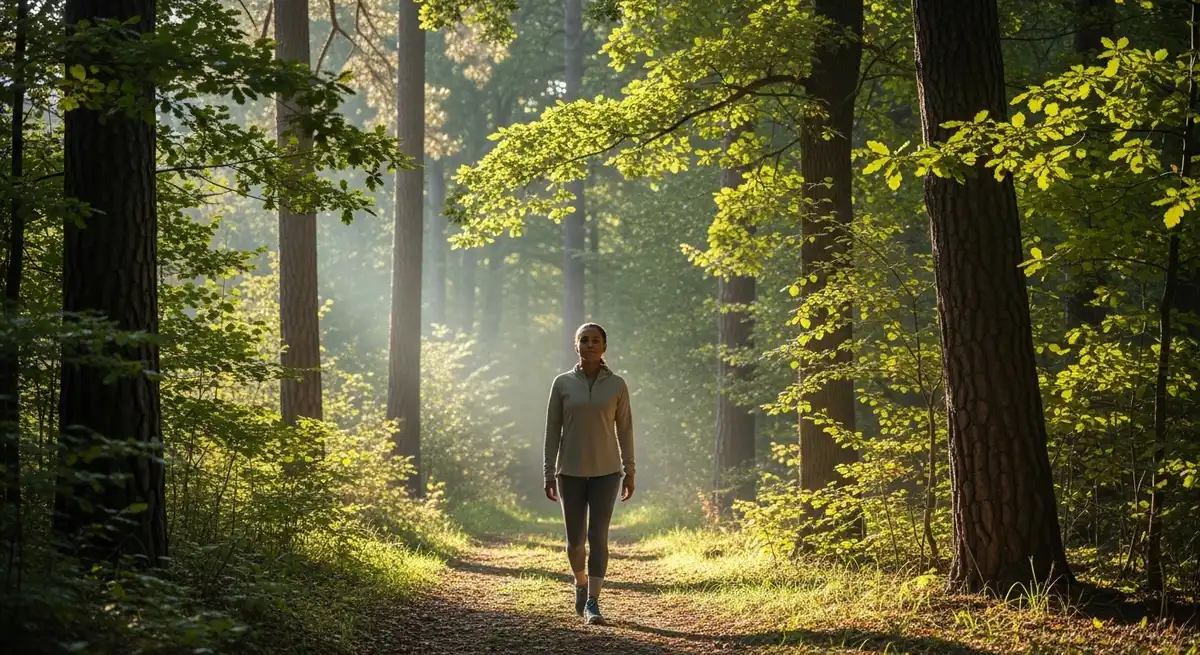
Forest environments are often highlighted in wellness discussions because of their layered sensory qualities. Trees soften light, reduce noise, and introduce natural scents that differ from indoor air. These features are commonly linked with a sense of calm and emotional grounding.
Sensory engagement plays a central role in emotional healing through nature walks. Attention naturally moves toward movement in leaves, changes in light, or the feel of uneven ground. This sensory focus anchors awareness in the present without requiring structured mindfulness practices.
Forest walks are usually approached at a slower pace. The goal is observation rather than reaching a destination. This shift away from productivity supports emotional regulation by reducing internal pressure and comparison.
Phytoncides and Everyday Understanding
Phytoncides are natural compounds released by plants as part of their normal biological processes. Wellness education sometimes references these compounds when explaining why forest environments feel refreshing. Research suggests that these scents may be associated with relaxation responses in some people.
It is important to describe this information carefully. Phytoncides are one of many factors that shape how forest environments are experienced. They are not presented as medical agents or treatments.
For everyday understanding, this concept helps explain why wooded areas often feel different from urban spaces. Emotional healing through nature walks benefits from the combined sensory experience, whether or not people are aware of the science behind it.
Grounding and Physical Awareness
Grounding refers to practices that emphasize awareness of physical contact with the environment. During nature walks, grounding often occurs naturally through noticing foot placement, surface texture, and body movement. This awareness supports emotional steadiness by reconnecting attention with physical sensations.
Some people choose to walk barefoot on natural surfaces, while others prefer shoes for comfort and safety. Both approaches can support grounding when practiced mindfully and within personal limits. Wellness educators generally emphasize comfort and safety over specific methods.
Grounding is best understood as an awareness practice rather than a physical intervention. Emotional healing through nature walks uses grounding to support presence and stability in a non-clinical way that adapts to individual needs.
Mindful Walking as a Lifestyle Skill
Mindful walking involves paying attention to movement and surroundings while walking. It does not require meditation training or spiritual framing. Many people use mindful walking as a practical way to slow mental pace during demanding days.
Natural environments make mindful walking more accessible. Visual and auditory cues draw attention outward, which reduces repetitive thinking. This shift often supports emotional balance after the walk ends.
For parents and working adults, mindful walking creates a clear pause between roles. A short walk before work or after family responsibilities can support emotional transition. This routine fits into real life without adding complexity.
Sensory Awareness Techniques in Nature
Sensory awareness techniques are commonly used in stress education and emotional regulation programs. In nature walks, these techniques involve noticing sights, sounds, textures, and scents without judgment. This practice supports present-focused awareness in a gentle, accessible way.
Engaging the senses helps interrupt mental loops. Attention moves from internal concerns to immediate experience. Many people find this shift reduces mental tension and supports emotional clarity.
These techniques are informal and adaptable. Emotional healing through nature walks does not require counting steps or following scripts. Simply noticing sensory details as they appear is often enough.
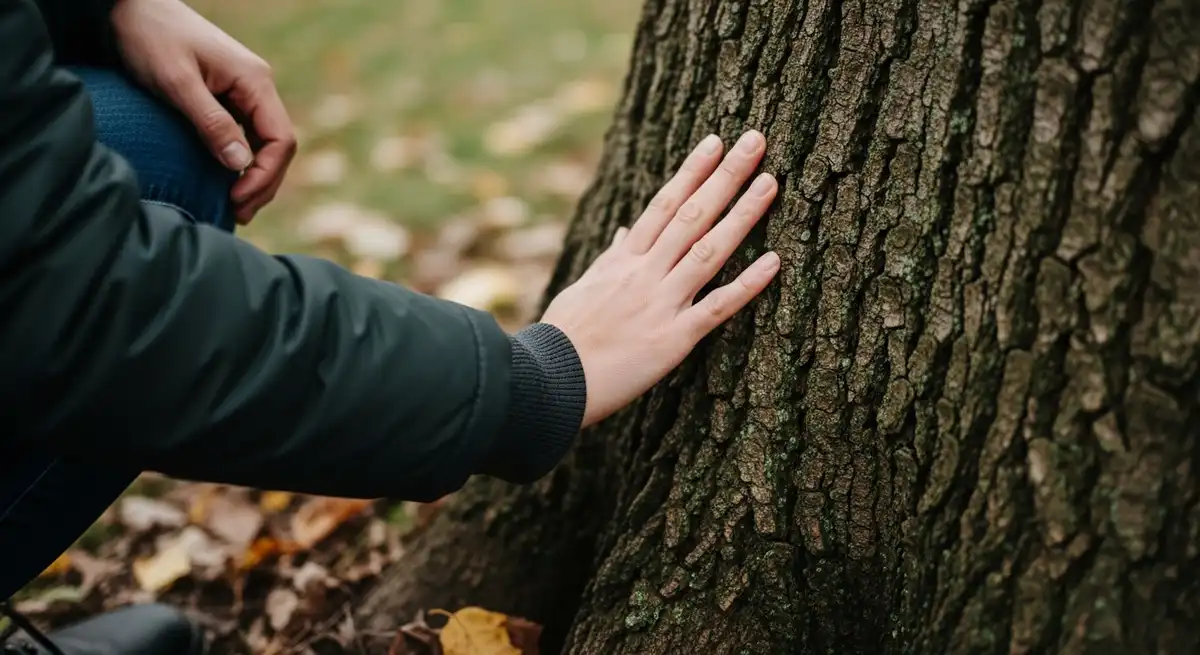
Water Environments and Emotional Regulation
Water environments such as rivers, lakes, and coastlines are frequently associated with calmness. Wellness educators note that moving water introduces rhythmic sound and visual continuity. These features are commonly linked with reduced mental agitation.
Walking near water offers a sense of openness and perspective. The steady movement encourages outward attention rather than internal focus. Many people describe this experience as emotionally settling.
Access to water does not require travel. Urban riversides, ponds, or fountains can offer similar sensory qualities. Emotional healing through nature walks can include these everyday environments.
Awe and Perspective in Natural Landscapes
Awe is a term used in psychology to describe the feeling of encountering something expansive. Natural landscapes such as mountains, open skies, or wide fields often evoke this response. Awe is commonly linked with reduced self-focus and emotional relief.
This experience does not require dramatic scenery. Large trees, elevated viewpoints, or wide parks can also create a sense of scale. The key element is openness rather than spectacle.
In daily life, awe supports emotional perspective. It places personal stress within a wider context without dismissing it. Emotional healing through nature walks benefits from this subtle shift in attention.
Nature Walks and Parenting Life
Parents often carry ongoing emotional and mental load due to constant responsibility. Nature walks provide brief restorative moments without demanding planning or preparation. These walks can be taken alone or with children, depending on circumstances.
Walking with children outdoors often supports shared calm. Children tend to respond positively to open spaces, which may reduce tension. The experience becomes about shared observation rather than control.
For caregivers with limited time or support, flexibility is essential. Short walks near home still offer value. Emotional healing through nature walks emphasizes consistency rather than ideal conditions.
Working Mothers and Emotional Balance
Working mothers frequently move between professional and family roles with little transition time. Emotional healing through nature walks offers neutral space that belongs to neither role. This separation can support emotional decompression.
Nature walks can be integrated into commutes, lunch breaks, or early mornings. Even brief exposure to greenery may support mental reset between tasks. This habit does not require extra resources.
Wellness education emphasizes permission over productivity. Nature walks are framed as supportive pauses, not performance tools. This framing helps reduce guilt and supports sustainable self-care.
Trauma-Aware Lifestyle Framing
Trauma-aware wellness education emphasizes safety, choice, and predictability. Emotional healing through nature walks aligns with these principles when practiced gently. Individuals choose pace, location, and duration based on comfort.
Nature walks are sometimes used alongside professional support. They are not positioned as replacements for therapy or medical care. This distinction supports ethical and emotional responsibility.
For individuals with heightened sensitivity, familiar environments are often preferred. Predictable routes and times support a sense of control. Emotional wellbeing benefits from this stability.
Grief, Loss, and Nature-Based Routines
Grief can disrupt routines and emotional rhythms. Nature walks offer gentle structure without requiring emotional processing. Simply walking provides continuity during periods of uncertainty.
Natural cycles such as changing seasons can feel reassuring. Observing growth and change supports acceptance without instruction. Many people find comfort in this quiet companionship.
Nature-based routines remain flexible. Emotional healing through nature walks allows engagement at a personal pace. Respect for individual timing is central in grief-sensitive contexts.
Seasonal Mood Changes and Daylight Exposure
Changes in daylight can influence energy and mood. Wellness education highlights daylight exposure as a supportive lifestyle factor. Nature walks during daylight help align daily rhythms.
Morning or midday walks are often associated with improved alertness. Natural light supports regular sleep-wake patterns. These effects are described as general wellbeing supports.
Even in low-light seasons, outdoor exposure remains valuable. Overcast conditions still provide more light than indoor spaces. Emotional healing through nature walks remains relevant throughout the year.
Accessibility and Urban Living
Not everyone has access to forests or large parks. Wellness guidance emphasizes that smaller green spaces can still support emotional wellbeing. Street trees, gardens, and shared outdoor areas matter.
Urban living requires adaptation rather than ideal scenarios. Nature walks can happen in neighborhood parks or quiet streets. Presence and repetition matter more than location.
Indoor adaptations such as plants and natural light support similar principles. While not replacements, they reinforce connection. Emotional healing through nature walks remains inclusive.
Journaling and Reflective Integration
Some people combine nature walks with reflective writing. Journaling after a walk helps organize observations and emotions without analysis. This process supports emotional clarity.
Journaling remains optional and informal. Notes may include sensory impressions or simple reflections. There is no expectation of insight.
This integration connects outdoor experience with daily life. Emotional healing through nature walks becomes part of broader self-awareness. The emphasis remains gentle and non-evaluative.
Lifestyle Consistency and Habit Formation
Wellness educators often emphasize habit consistency over intensity. Emotional healing through nature walks benefits from repetition rather than occasional long outings. Predictable routines support emotional steadiness.
Habits are easier to maintain when simple. Nature walks require little planning or equipment. This simplicity supports long-term use.
Consistency also reduces emotional pressure. Walks happen as they fit. This approach aligns with sustainable lifestyle education.
Emotional Responsibility and Realistic Expectations
Emotional wellbeing content must avoid exaggerated promises. Nature walks are not cures. They are supportive practices that may contribute to balance over time.
Responses vary. Some notice immediate calm, others gradual change. Wellness education emphasizes patience and self-respect.
Emotional healing through nature walks is one tool among many. Rest, connection, and professional care remain important. This balanced framing supports trust.
Frequently Asked Questions
How does walking in nature support emotional wellbeing
Walking in nature is commonly associated with reduced mental fatigue and improved mood. Natural environments provide sensory input that feels less demanding than indoor spaces. Many people use nature walks as a supportive habit alongside rest and healthy routines.
Can nature walks replace professional mental health care
Nature walks do not replace professional care. They are generally used as lifestyle supports alongside therapy, counseling, or medical guidance when needed. This approach maintains realistic expectations and ethical boundaries.
How often are nature walks typically practiced
Wellness guidance often suggests regular short walks rather than infrequent long outings. Many people aim for several walks each week based on availability. Consistency is emphasized over duration.
Are nature walks suitable for busy parents
Nature walks are often adapted for busy schedules. Short walks near home or school environments can still be supportive. Flexibility allows parents to integrate this habit without added stress.
Do nature walks require mindfulness training
Formal mindfulness training is not required. Simply noticing surroundings while walking is often enough. This accessibility makes nature walks approachable.
Is forest access necessary for emotional benefits
Forest access is not required. Parks, gardens, and tree-lined streets also support emotional wellbeing. The presence of natural elements matters more than location.
Can children benefit from nature walks
Children often respond positively to outdoor environments. Shared walks may support calm and connection. These experiences are usually framed as exploration rather than structured practice.
Are nature walks appropriate during emotional difficulty
Nature walks are often used as gentle supports during difficult periods. They do not require emotional discussion or processing. This neutrality supports accessibility.
How long does it take to notice benefits
Some people notice relaxation quickly, while others experience gradual changes. Emotional wellbeing practices vary in impact. Nature walks are ongoing supports rather than quick fixes.
Can nature walks be combined with other wellness habits
Nature walks often complement journaling, stretching, or quiet reflection. Combining practices remains optional. The goal is support, not optimization.
Conclusion
Emotional healing through nature walks offers a grounded, accessible approach to emotional wellbeing. By pairing outdoor exposure with gentle movement, this practice supports balance without pressure or promise. As a lifestyle habit, nature walks provide steady support across routines, responsibilities, and life stages.
Medical Disclaimer
This content is for informational purposes only and does not constitute medical or mental health advice. It is not intended to diagnose, treat, cure, or prevent any condition. Always consult a qualified healthcare or mental health professional regarding personal health concerns.
For wider background on this, see the American Psychological Association on stress.