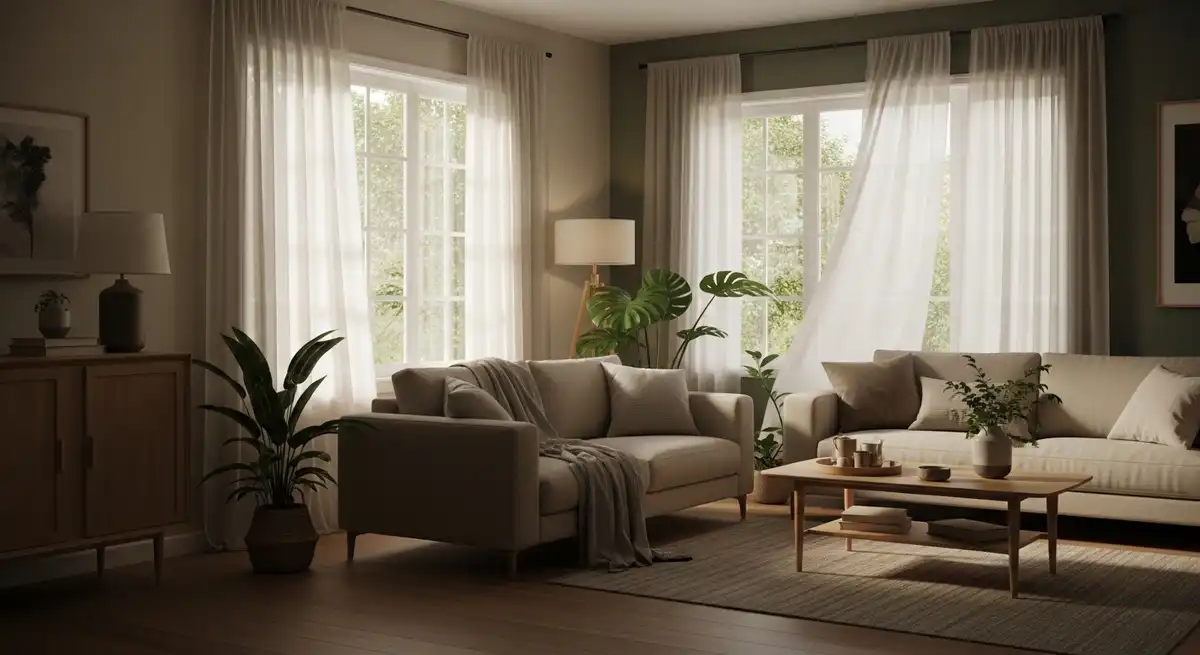
A home often reflects the pace, pressures, and emotional rhythms of the people living inside it. Daily routines, work demands, family responsibilities, and constant digital noise can slowly shape how a space feels over time. Learning how to cleanse negative energy from your home offers a grounded, practical way to restore comfort and balance without dramatic promises or spiritual pressure.
Wellness educators usually describe home energy cleansing as a lifestyle support practice, not a medical or psychological solution. It focuses on how physical surroundings, habits, and emotional awareness interact during everyday life. When practiced calmly and consistently, these methods help many households feel steadier, more functional, and easier to live in.
This guide shares widely used approaches such as decluttering, sound, airflow, salt, plants, and intentional routines. Each method is explained in clear, everyday language with safety and realism at the center. The goal is not perfection, but creating a home that feels supportive during real, imperfect daily life.
Cleanse negative energy home: Understanding Home Energy as a Lifestyle Concept
Negative energy in a home is a descriptive phrase rather than a scientific or medical term. People often use it to describe spaces that feel tense, cluttered, or emotionally draining due to accumulated stress and neglect. Lifestyle guidance treats this as an interaction between environment, routine, and emotional patterns, not an invisible force acting on its own.
Homes naturally absorb habits over time. Repeated conflicts, rushed mornings, poor rest, and constant background noise can influence how a space feels to those living there. When rooms stop supporting rest or focus, people often describe discomfort using energetic language to explain that lived experience.
Seeing energy cleansing as environmental care keeps the topic grounded and responsible. It encourages practical changes in light, airflow, organization, and daily habits. This approach aligns with wellness education standards and avoids exaggerated spiritual or medical claims.
Signs Commonly Associated With Heavy or Stagnant Home Energy
Homes described as having heavy energy often share practical features. These include cluttered surfaces, unused corners, poor ventilation, dim lighting, and broken items left unrepaired. Over time, such conditions can increase mental fatigue and make everyday tasks feel harder than they should.
Emotional patterns often appear alongside these physical signs. Families may notice frequent small arguments, difficulty relaxing, or restlessness at home. Working parents sometimes feel more drained indoors than outside, which often reflects environmental overload rather than personal weakness.
Recognizing these signs is not about blame or fear. It simply highlights areas where small adjustments can improve comfort. Many people notice that addressing physical space brings emotional relief as well.
The Role of Intention in Home Cleansing Practices
Intention refers to the mental clarity behind any cleansing activity. In daily life, it means being clear about why changes are being made and what kind of environment is desired. This clarity helps actions feel meaningful instead of decorative.
Speaking an intention aloud or silently can support focus and consistency. It reminds the mind to slow down and act with care while cleaning, rearranging, or opening windows. Research on mindfulness suggests that intentional attention can reduce mental clutter, which shapes how spaces are experienced.
Intention does not require spiritual belief or ritual language. It can be as simple as deciding that a room is meant for rest or connection. This practical framing keeps the practice accessible to all households.
Decluttering as a Foundation for Energy Reset
Decluttering is one of the most widely accepted ways to improve how a home feels. Removing unused, broken, or excess items reduces visual overload and supports easier movement. Environmental psychology research shows that clutter competes for attention and increases stress over time.
From an energy perspective, clutter blocks airflow, light, and usability. When rooms lose their purpose, frustration often follows. Clearing even a small area can restore function and bring a sense of order without major effort.
A gentle approach works best. Short, regular decluttering sessions fit more easily into busy schedules. This supports emotional balance while respecting the realities of work and family life.
The Ten Second Tidy Habit in Daily Life
The ten second tidy habit focuses on small resets instead of long cleaning sessions. It involves putting items back immediately after use. Over time, this prevents buildup and reduces overwhelm.
Many households find this habit realistic because it fits naturally into daily routines. Folding a blanket, clearing a counter, or returning shoes to their place takes little time. These actions keep spaces usable throughout the day.
Consistency matters more than intensity. Practiced regularly, brief tidying keeps energy moving and prevents emotional heaviness from forming in shared spaces.
Fresh Air and Natural Light as Energy Movers
Airflow is one of the simplest ways to refresh a home. Opening windows allows stale air to exit and fresh air to circulate, improving comfort quickly. Indoor air quality guidance supports ventilation as beneficial for everyday wellbeing.
Natural light also shapes how a space feels. Bright rooms often feel more open and calm, while dark areas can feel closed or heavy. Adjusting curtains, rearranging furniture, or adding lamps can change a room’s mood noticeably.
These practices require no special tools or beliefs. They align with practical home care and are widely recommended for comfort and health.
Sound as a Tool for Disrupting Stagnation
Sound cleansing is based on the idea that vibration breaks silence and tension. In everyday terms, sound signals change and closure after stress or conflict. Many cultures use bells, clapping, or music for this purpose.
Sound waves move through air and surfaces, which many people experience as refreshing. Even simple actions like clapping can shift how a room feels. These effects are subjective but commonly reported.
Sound practices are generally safe when kept gentle. They are often used after emotionally charged moments to reset attention and atmosphere.
Simple Household Sound Practices
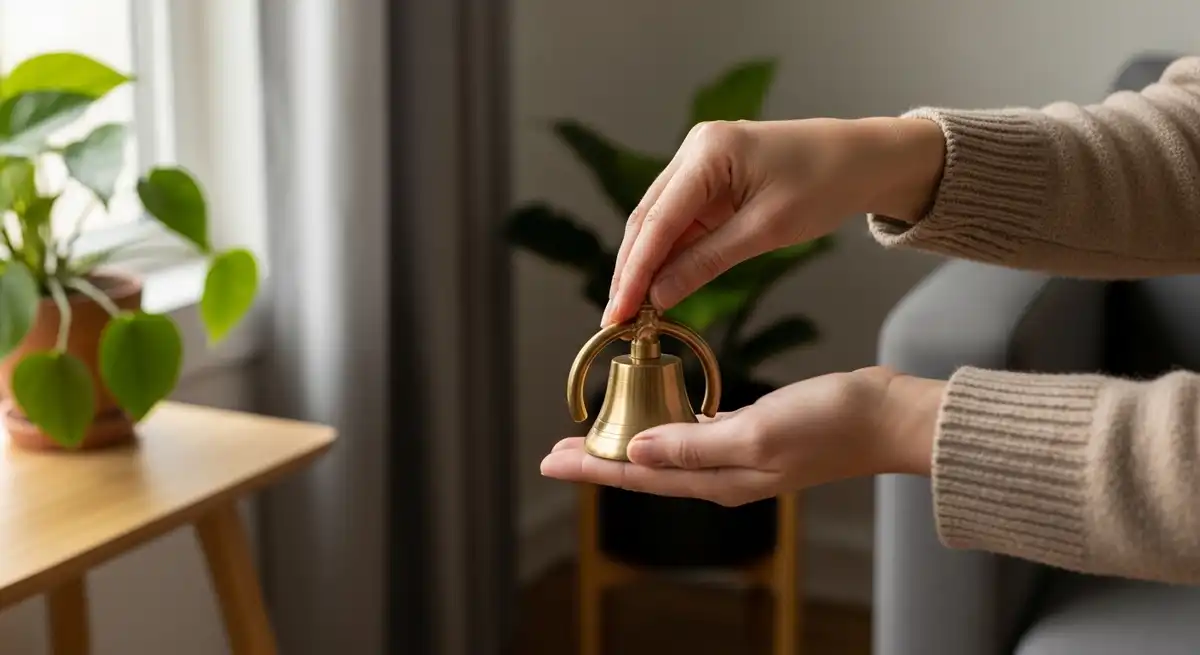
Special instruments are not required for sound cleansing. Bells, metal bowls, or rhythmic clapping work well. The key is moving slowly through the space while producing sound consistently.
Walking around a room while clapping or ringing a bell brings awareness to corners and neglected areas. Many people feel lighter afterward. This supports emotional reset without extra time or cost.
Gentle sound works better than loud noise. Calm repetition aligns with household harmony and reduces stress.
Smoke Cleansing as a Cultural Practice
Smoke cleansing, often called smudging, comes from long standing cultural traditions. In lifestyle contexts, it is treated as a symbolic and sensory practice rather than a guaranteed solution. The scent and movement can mark transition and closure.
Common materials include white sage, Palo Santo, lavender, and rosemary. Choices are often based on scent preference and cultural familiarity. No single herb is required.
Smoke cleansing should be approached with respect. It is optional and should never replace basic cleaning or ventilation.
Ethical and Safety Considerations for Smoke Use
Ethical sourcing matters when using herbs like white sage or Palo Santo. Overharvesting has created environmental concerns, making responsible sourcing important. Choosing cultivated or naturally fallen materials supports sustainability.
Ventilation is essential during smoke use. Windows should be open so smoke does not linger. People with breathing sensitivities may prefer sound or airflow instead.
Smoke cleansing is one option among many. Comfort and safety should guide all choices.
Salt as an Absorptive Symbol in Home Care
Salt is traditionally used as a symbol of absorption and release. In daily practice, bowls of salt are placed around rooms briefly and then discarded. Many people find the ritual calming rather than transformative.
Bowls are often left in corners or near entrances for one or two days. The salt is then thrown away, not reused. This action represents letting go of heaviness.
Salt can also be added sparingly to mop water. This aligns with routine cleaning and gentle refresh practices.
Vastu Shastra as a Spatial Wellness Framework
Vastu Shastra is an ancient Indian system focused on spatial balance. In modern homes, it is often applied in simplified ways that emphasize light, airflow, and purpose.
Entrances receive special attention. A clear, well lit entryway supports ease and daily transitions. Keeping this area clean is both practical and symbolic.
Mirror placement also matters. Reflecting light instead of beds or clutter supports visual comfort and rest.
The Importance of a Balanced Main Entrance
The main entrance shapes first impressions and daily routines. Cluttered or dark entries can increase stress, while clean ones support smoother transitions.
Removing unused items, improving lighting, and maintaining door function improves convenience. These steps align with common sense home care.
A welcoming entrance helps working parents shift from work mode to home mode with less tension.
Living Plants as Environmental Support
Plants support indoor environments by improving air quality and visual comfort. Many people also find emotional benefit in caring for living things.
Common choices include snake plants, peace lilies, money plants, and tulsi. These are valued for durability and ease of care.
Plant care encourages routine and attention, which indirectly supports mindfulness at home.
Scientific Context Around Indoor Plants
Research shows that certain plants reduce specific indoor pollutants under controlled conditions. Results vary at home, but plants still improve perceived air freshness.
Greenery is linked with reduced stress and better focus. These effects are modest but meaningful when combined with other home care practices.
Plants complement ventilation, cleaning, and organization rather than replacing them.
Crystals as Symbolic Wellness Tools
Crystals are often used symbolically to represent grounding or calm. Lifestyle writing frames them as visual reminders rather than scientific tools.
Common options include black tourmaline, rose quartz, and selenite. Placement usually reflects personal meaning.
Their value comes from intention and consistency, not measurable physical effects.
Maintaining a High Frequency Home Through Routine
Small, regular actions maintain balance better than occasional large efforts. Many people prefer monthly or seasonal resets.
Moving homes, hosting guests, or emotional changes often prompt cleansing routines. These moments disrupt patterns and benefit from reset.
Simple closing rituals help reinforce calm without promising results.
Parenting and Working Life Relevance
Homes with children and working adults face constant demands. Noise, schedules, and shared spaces increase emotional load.
Simple habits like evening tidying, morning ventilation, and sound resets after conflict help restore rhythm.
These practices support flexibility and compassion, not perfection.
Integrating Mindfulness Safely at Home
Mindfulness at home means paying attention to surroundings without judgment. It includes noticing light, sound, and comfort during routine tasks.
Mindful cleaning turns chores into grounding moments. This supports awareness without formal meditation.
Mindfulness remains optional and supportive, not a replacement for care.
Frequently Asked Questions
How can I tell if my home has negative energy
Negative energy is a descriptive term people use when a home feels tense, cluttered, or uncomfortable. Common signs include difficulty relaxing, frequent small conflicts, or persistent mess. These experiences usually reflect environmental stress and routine patterns rather than medical or psychological conditions.
What is the fastest safe way to refresh home energy
Opening windows, increasing light, and doing a brief tidy refresh a space quickly. These actions improve comfort and air quality. Gentle sound practices can also help mark emotional reset after stressful moments.
Is smudging necessary to cleanse a home
Smudging is optional and culturally specific. Many people use sound, airflow, or decluttering instead. Lifestyle guidance encourages choosing methods that feel safe and respectful.
Can salt cleansing harm floors or furniture
Salt should be used lightly and diluted for cleaning. Dry bowls should be placed away from delicate surfaces. Used carefully, salt cleansing aligns with routine home care.
Do plants really change how a home feels
Plants improve air quality and visual comfort. Research links greenery with reduced stress. Many households find plants make spaces feel calmer.
Are crystals scientifically proven to remove negative energy
Crystals are not scientifically proven to change energy. They are used symbolically to support intention and focus.
How often should home cleansing be done
Frequency depends on household needs. Many prefer monthly resets or small daily habits.
Is energy cleansing suitable for small apartments
These practices adapt easily to small spaces. Decluttering and ventilation often feel even more effective in compact homes.
Can children participate in home cleansing routines
Children can help with tidying, watering plants, or opening windows. These activities teach awareness and responsibility.
Does energy cleansing replace professional mental health support
Energy cleansing is a lifestyle practice focused on environment. It does not replace professional mental health care.
Conclusion
Learning how to cleanse negative energy from your home centers on creating spaces that support daily life with less friction. Through decluttering, airflow, sound, and mindful routines, homes can feel calmer and more usable. Practiced gently, these methods support balance without unrealistic promises.
Medical Disclaimer
This content is for informational purposes only and does not constitute medical advice. It does not diagnose, treat, cure, or prevent any disease. Consult a qualified healthcare provider before starting new wellness practices, especially if you have medical conditions or concerns.
For wider background on this, see the American Psychological Association on stress.