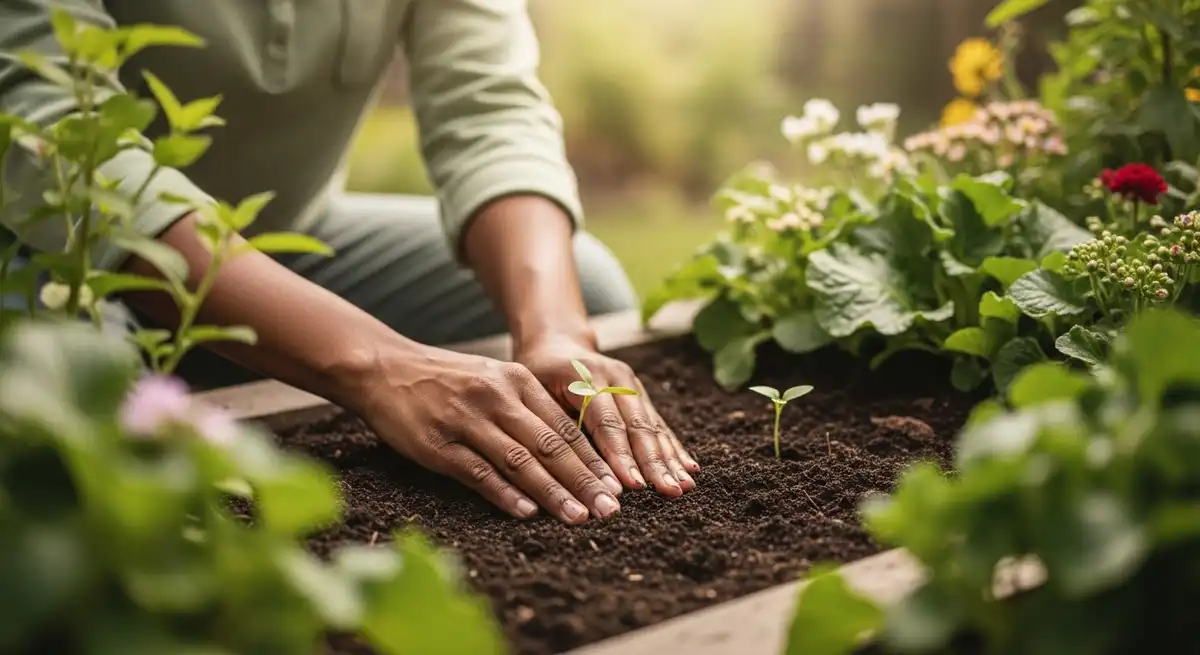
Gardening as a form of self-care has steadily become part of everyday wellness conversations because it fits into real life without pressure or performance. Many people manage long work hours, caregiving roles, and constant digital input, which leaves little space for quiet, restorative routines. Gardening offers a practical way to slow daily pace through simple actions that involve plants, time, and attention.
Lifestyle educators often describe gardening as approachable because it does not rely on special skills, tools, or ideal conditions. It encourages gentle movement, regular pauses, and time away from screens, which aligns with current guidance on sustainable self-care habits. Gardening works best as a supportive routine, woven into daily life rather than treated as a solution or emotional fix.
Gardening as a form of self-care: Understanding Gardening as a Lifestyle-Based Self-Care Practice
Gardening as a form of self-care refers to intentionally spending time caring for plants to support daily balance. Activities such as watering, planting, trimming, and observing growth create a rhythm that feels manageable. These actions are commonly associated with routine stability, sensory engagement, and physical presence rather than emotional processing.
Many people appreciate gardening because it feels practical and neutral. Attention stays on visible tasks instead of internal thoughts, which can feel grounding during busy or demanding periods. This outward focus helps separate care time from work or family roles without requiring reflection or discussion.
Gardening does not demand results or improvement. Plants grow slowly and respond to care in their own time, which removes pressure. That natural pace encourages patience and acceptance, qualities that often support steadier daily routines.
Historical and Cultural Context of Gardening for Wellbeing
Gardens have long been part of spaces designed for rest and comfort, not only food production. Historical records from ancient civilizations describe gardens created for shade, quiet, and sensory ease. These environments supported pause and reflection within everyday life rather than formal practices.
In later centuries, gardening appeared in care institutions where staff observed improved engagement among participants. These observations influenced the development of structured horticultural therapy in clinical settings. The focus remained on participation and routine rather than emotional outcomes.
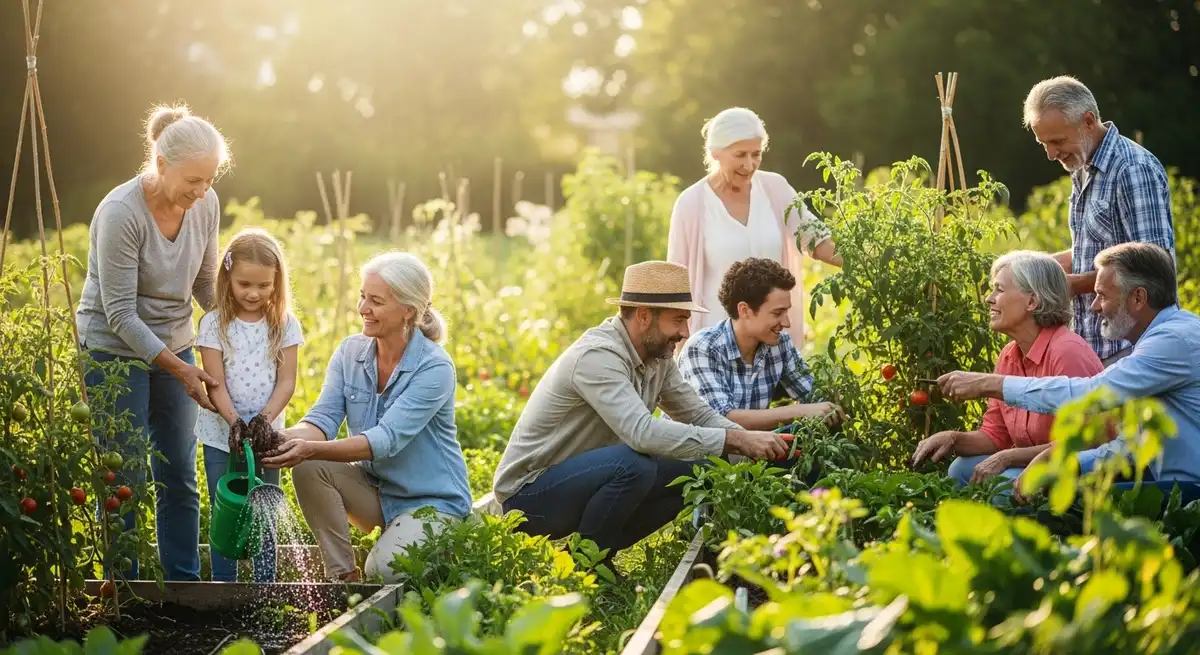
Across cultures, home gardens and shared growing spaces have also supported social connection. Gardening often created informal gathering points where cooperation developed naturally. That social role continues today through community gardens and shared residential spaces.
Gardening and Mindful Attention in Daily Life
Gardening as a form of self-care naturally supports mindful attention without instruction. Caring for plants draws focus to timing, movement, and physical surroundings. This attention feels practical and task based, which many people find easier than formal mindfulness exercises.
Routine plant care encourages observation. Checking soil moisture, noticing leaf changes, or adjusting light placement requires presence. These moments gently anchor attention in the current environment rather than internal distraction.
This type of focus is often helpful because it creates a clear start and end point. Gardening time becomes distinct from work or caregiving responsibilities. That separation helps maintain daily balance without effort.
Sensory Engagement and Grounding Through Plant Care
Gardening involves touch, sight, sound, and movement working together at a calm pace. Soil texture, plant structure, and natural light provide steady sensory input. These sensations are predictable and non-intrusive, which many people find settling.
Grounding practices in lifestyle education often rely on physical awareness. Gardening offers grounding through natural interaction rather than structured techniques. Attention stays connected to hands, tools, and visible changes.
For those who feel overstimulated by constant information, sensory activities can feel restorative. Gardening keeps awareness external and practical. There is no need to analyze thoughts or emotions.
Gardening and Stress Awareness Without Therapeutic Claims
Gardening as a form of self-care is often linked to stress awareness rather than stress treatment. Research commonly observes lower perceived stress among people who spend time in green spaces. These observations describe patterns, not guarantees or medical outcomes.
In daily routines, gardening creates natural pauses. Stepping into a garden or tending a plant signals a shift away from urgency. That shift can make tension more noticeable without requiring change.
Lifestyle guidance emphasizes gradual effects. Gardening supports steadier routines over time rather than immediate relief. Consistency matters more than intensity.
Gardening and Nervous System Regulation in Everyday Contexts
Educational discussions sometimes mention nervous system balance when describing gardening. Slow movements, steady breathing, and outdoor exposure are associated with calmer physical states. Gardening includes these elements without formal practice.
Unlike high intensity exercise, gardening encourages moderate movement. Tasks can be adjusted based on energy and comfort. This pacing supports sustainability for people with varied schedules and physical abilities.
Adaptability is key. Raised beds, containers, and seated options make gardening accessible. These adjustments help maintain comfort and safety.
Emotional Expression Through Nonverbal Activity
Gardening as a form of self-care provides nonverbal expression through physical activity. Digging, trimming, or arranging plants allows movement without explanation. This can feel supportive during emotionally complex times.
Nonverbal activities reduce mental load. Attention shifts to hands and tools, which often quiet constant inner dialogue. Gardening supports this shift naturally.
For parents and working adults, nonverbal time offers relief from communication demands. Gardening becomes a space where roles pause and attention rests.
Symbolism of Growth and Routine Stability
Plant growth offers gentle symbolism without expectation. Seasonal cycles show change, rest, and renewal as normal processes. Observing these patterns can feel reassuring.
Wellness education treats symbolism as supportive when it remains observational. Gardening allows people to notice growth without assigning meaning. That neutrality protects emotional balance.
Routine plant care reinforces reliability. Regular watering and maintenance support habit consistency. These routines often influence broader daily organization.
Cognitive Engagement and Attention Support
Gardening requires planning and observation. Deciding placement, monitoring growth, and adjusting care engage attention lightly. This level of engagement supports focus without strain.
Research on attention restoration highlights natural environments as supportive. Gardening combines nature exposure with purposeful activity. This balance maintains interest while allowing mental refreshment.
Gardening adapts across ages. Tasks adjust to ability, making it suitable for children, adults, and older individuals. Flexibility supports continued participation.
Gardening in Parenting and Family Life
Gardening as a form of self-care fits into family routines easily. Parents often involve children in simple tasks, which supports cooperation and patience. Gardening becomes shared time without screens.
Family gardens support routine building. Outdoor care becomes part of daily structure rather than an occasional activity. This consistency supports household rhythm.
Parents model balanced care through gardening. Children observe responsibility paired with calm attention. These observations influence long term habits.
Gardening for Working Adults and Time-Constrained Lifestyles
Working adults often struggle to maintain self-care due to time limits. Gardening adapts well to short sessions and flexible timing. Even brief care tasks maintain routine.
Urban living does not exclude gardening. Containers, balconies, and windowsills provide access. These formats reduce complexity while preserving engagement.
Sustainability matters. Gardening allows participation without rigid commitment. Care expands or contracts based on availability.
Community Gardening and Social Connection
Community gardens extend self-care into shared spaces. Interaction happens through tasks rather than conversation pressure. Participation feels optional and comfortable.
Social connection develops gradually. Trust builds through cooperation and shared responsibility. This structure supports emotional safety.
Community gardening also supports food awareness and contribution. Practical benefits reinforce a sense of usefulness within the group.
Indoor Gardening and Small Space Adaptations
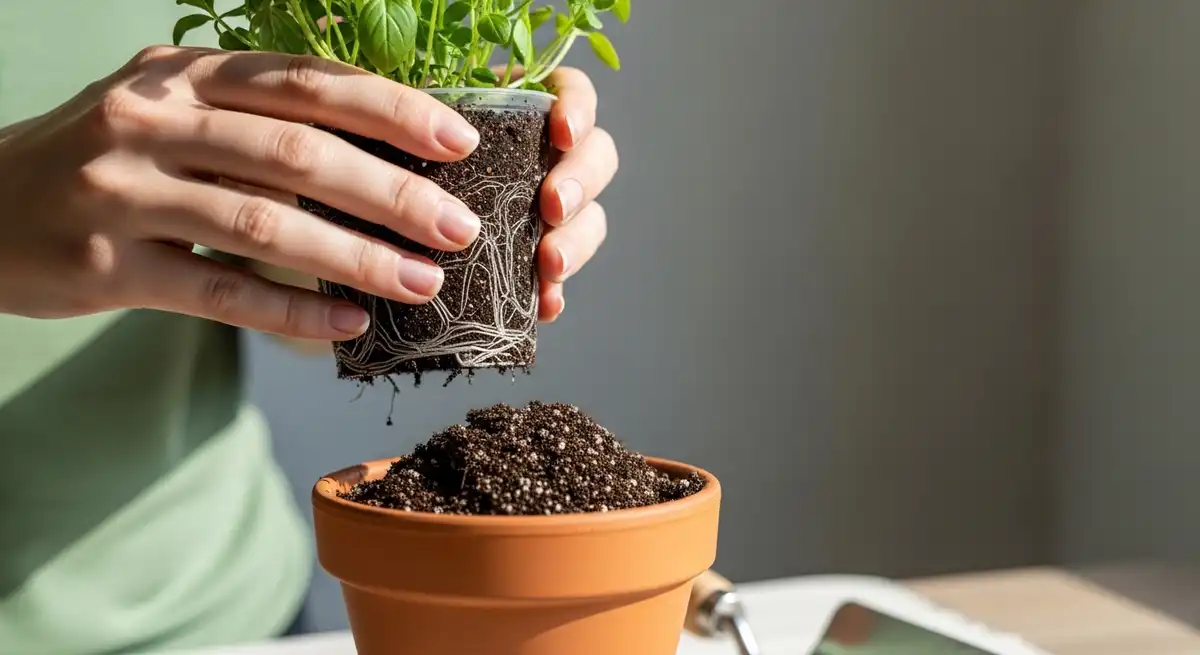
Gardening as a form of self-care works indoors as well. Houseplants offer daily interaction with living elements. Tasks such as watering or repotting support routine.
Indoor plants fit work from home environments. Visual presence encourages small pauses. These moments support balanced pacing.
Consistency improves with visibility. Daily contact reinforces habit formation naturally.
Soil Contact and Environmental Awareness
Soil interaction connects people to natural processes. Handling soil supports physical presence and environmental awareness. This awareness often feels grounding.
Gardening encourages respect for natural cycles. Observing plant needs highlights interdependence. This understanding supports environmental appreciation.
Basic safety practices maintain comfort. Clean soil and gloves reduce risk. Gardening remains a practical activity.
Beginning Gardening as a Self-Care Routine
Starting gardening as a form of self-care works best with simplicity. Easy plants reduce frustration and build confidence. Herbs and hardy plants suit beginners.
Small actions matter. Short, regular sessions establish rhythm. Over time, care feels natural.
Expectations should remain realistic. Gardening supports wellbeing gradually. Progress is not required.
Gardening and Professional Support Boundaries
Gardening is a supportive lifestyle practice, not professional care. It does not replace medical or mental health services. Clear boundaries protect safety.
People managing significant challenges benefit from appropriate support. Gardening may complement guidance. Combined approaches respect individual needs.
Ethical wellness communication avoids promises. Gardening offers structure and presence rather than treatment.
Long Term Sustainability of Gardening Practices
Gardening as a form of self-care adapts to life changes. Activities shift with seasons and energy levels. Flexibility supports longevity.
Plants require ongoing care, which reinforces routine. Gardening integrates into daily life. This integration supports consistency.
Emotional neutrality supports sustainability. Care continues regardless of mood. Routine stabilizes daily life.
Frequently Asked Questions
Why is gardening considered a form of self-care
Gardening is considered a form of self-care because it supports routine, sensory awareness, and gentle movement. These elements align with daily lifestyle practices that encourage balance. Gardening is commonly used as a supportive habit rather than a solution for emotional challenges.
Can gardening help with daily stress awareness
Gardening can support awareness of stress by creating calm pauses in busy routines. Time with plants often slows pace. This shift helps people notice tension without trying to change emotional states.
Is gardening suitable for people with limited time
Gardening adapts well to short sessions and flexible schedules. Small tasks maintain continuity without long commitments. This makes gardening accessible for working adults and parents.
Does gardening replace mindfulness practices
Gardening does not replace mindfulness practices but often supports mindful attention naturally. Tasks encourage focus on the present environment. Many people use gardening alongside other routines.
Is gardening safe for older adults
Gardening can be adapted for older adults using raised beds and lightweight tools. Gentle movement supports comfort. Modifications help maintain safety.
Can children benefit from gardening activities
Children often benefit from gardening through routine, responsibility, and sensory engagement. Simple tasks encourage patience. Gardening works well as a shared family activity.
Does indoor gardening offer similar benefits
Indoor gardening supports routine awareness and interaction with plants. While different from outdoor spaces, it still encourages care and presence. This suits small living spaces.
Is gardening considered therapeutic
Gardening is considered a lifestyle support practice, not medical treatment. Structured horticultural therapy exists in professional settings. Home gardening focuses on daily wellbeing.
How often should gardening be practiced
Gardening frequency depends on routine and plant needs. Many people engage briefly each day or a few times weekly. Consistency matters more than duration.
Can gardening support social connection
Gardening supports social connection through shared spaces and tasks. Interaction develops naturally. Community gardens often provide this environment.
Editorial Conclusion
Gardening as a form of self-care offers a steady, practical way to support everyday wellbeing without pressure or promises. Its strength lies in routine, sensory presence, and adaptability across life stages. When treated as a supportive habit, gardening fits comfortably alongside work, family responsibilities, and community life.
Medical Disclaimer
This content is for informational purposes only and does not constitute medical or mental health advice. Gardening as a form of self-care is a lifestyle practice, not a treatment. Consult a qualified healthcare provider before making changes related to health, physical activity, or emotional wellbeing.
For wider background on this, see the American Psychological Association on stress.