
Moving forward after a breakup is one of the most disruptive emotional changes adults commonly face. The end of a close relationship often affects routines, emotional safety, social identity, and future expectations at the same time. Wellness educators describe breakup recovery as a gradual adjustment process shaped by habits, environment, and emotional awareness, not a single moment of closure.
Social pressure to appear strong or unaffected can make recovery harder. Many people suppress emotions to function at work or for family responsibilities, which often delays emotional settling rather than easing it. A grounded wellness approach focuses on understanding common emotional responses and using steady lifestyle support to regain balance over time.
This guide explains how to move forward after a breakup using clear, non-clinical language grounded in psychology education, mindfulness principles, and daily routine stability. The purpose is not to promise emotional outcomes, but to explain what commonly happens and how supportive practices often help people regain clarity and steadiness.
How to Move Forward After a Breakup by Understanding Emotional Loss
Moving forward after a breakup often begins with recognizing emotional pain as a normal response to loss. Close relationships shape daily structure, emotional reassurance, and identity, so their ending commonly creates a sense of absence that affects mood and behavior. Wellness education frequently compares breakups to grief because both involve adjusting to change rather than fixing something broken.
In daily life, emotional reactions may arrive in waves rather than a straight line. Sadness, frustration, relief, and confusion often appear unexpectedly, especially during quiet moments or familiar routines. These reactions are generally understood as part of emotional recalibration rather than a sign of weakness.
Acknowledging emotional loss does not mean staying stuck in the past. It means allowing feelings to exist without judgment so they can pass naturally. Many people find that naming the experience as loss reduces pressure and allows practical routines to support gradual recovery.
Why breakups can feel overwhelming at first
Breakups often feel overwhelming because they disrupt several parts of life at once. Emotional attachment, daily communication, shared plans, and practical responsibilities can change abruptly, leaving the nervous system without familiar reference points. Wellness research describes this reaction as a response to uncertainty rather than personal inadequacy.
People may notice difficulty focusing, changes in appetite, or restless sleep during this phase. These reactions are commonly associated with adjustment stress rather than long-term emotional problems. Understanding this helps normalize the experience and prevents overinterpretation of temporary symptoms.
Recognizing overwhelm as a transitional state allows attention to shift toward stabilizing routines. Small, predictable habits often create a sense of continuity while emotions settle. Over time, steadiness replaces intensity without forcing emotional resolution.
The role of emotional validation during recovery
Emotional validation supports recovery by reducing internal conflict. Validation involves acknowledging feelings without labeling them as excessive or wrong. Wellness educators note that unvalidated emotions tend to linger longer because they are resisted rather than processed.
In everyday settings, validation might involve allowing sadness after reminders or acknowledging anger without acting on it. This approach does not encourage emotional fixation, but it prevents suppression, which is often linked to prolonged distress.
When emotions are treated as temporary experiences rather than problems, they usually soften with time. This creates space for reflection, planning, and healthier coping habits. Emotional validation supports forward movement without avoidance.
Boundaries and the Role of Distance After a Breakup
Creating emotional and practical boundaries is widely considered a supportive step after a breakup. Boundaries help reduce exposure to triggers while individuals regain emotional clarity. This approach is framed as a lifestyle adjustment rather than a rule meant to influence another person.
Distance may involve limiting communication, reducing social media exposure, or reorganizing shared responsibilities when possible. These steps are often used to support emotional regulation, not to deny feelings. Reduced stimulation allows emotions to settle naturally.
Boundaries are not about erasing history. They are practical tools that create mental space for adjustment. Over time, consistent boundaries often lead to calmer emotional responses and clearer thinking.
Understanding reduced contact as emotional support
Reduced contact after a breakup is commonly used to stabilize emotional reactions. Continued exposure to messages, memories, or online updates can repeatedly reactivate emotional stress. Wellness guidance frames reduced contact as a temporary support strategy.
In practice, this may include pausing conversations, muting accounts, or limiting shared social spaces. These actions are not meant as punishment. They reduce emotional overload while the mind adapts to change.
As emotional intensity decreases, perspective often improves. This clarity supports thoughtful decisions rather than impulsive reactions. Boundaries can be adjusted later based on emotional readiness.
Avoiding cycles of rumination and emotional reactivation
Rumination involves repetitive thinking about past interactions or imagined outcomes. While some reflection is natural, persistent rumination often increases distress without providing insight. Wellness educators encourage gentle interruption of these cycles.
Redirecting attention to immediate tasks, physical movement, or sensory awareness can reduce mental looping. These strategies do not suppress thoughts but prevent them from dominating attention.
As routines stabilize, rumination usually decreases on its own. Consistent habits support emotional settling without constant mental effort.
Attachment Patterns and Emotional Responses
Attachment patterns describe how people relate to closeness and separation. These patterns develop early and influence emotional responses during relationship endings. Breakups often activate attachment responses more strongly than everyday situations.
Some people experience heightened worry and reassurance-seeking, while others withdraw or delay emotional processing. These responses are understood as learned coping strategies rather than character traits.
Understanding attachment patterns provides context without blame. Awareness helps individuals respond intentionally instead of reacting automatically. Over time, balanced habits support emotional regulation.
Anxious and avoidant tendencies during breakups
Anxious tendencies during breakups often involve persistent thoughts, emotional urgency, and fear of disconnection. These reactions are commonly stress responses rather than dependency. They intensify during uncertainty.
Avoidant tendencies may appear as emotional distancing or delayed reactions. Distraction can feel helpful initially but may postpone emotional processing. Both patterns reflect different ways of managing stress.
Recognizing tendencies reduces self-judgment. Awareness allows for supportive choices rather than habitual reactions. Emotional balance often improves with consistency.
Developing emotional balance over time
Emotional balance after a breakup usually develops gradually. Wellness guidance emphasizes steady routines rather than emotional breakthroughs. Small, repeated actions often matter more than intense effort.
Practices like journaling, mindful breathing, or scheduled social time support emotional awareness without overwhelm. These habits help emotions move through rather than accumulate.
Balance does not mean emotional numbness. It reflects the ability to experience feelings without being controlled by them, supporting clearer decisions and healthier relationships.
Thought Patterns and Mental Clarity
Thought patterns influence emotional reactions during breakup recovery. Stressful changes often trigger negative interpretations about self-worth or the future. Psychology education explains that thoughts shape emotions even when circumstances cannot be changed.
Automatic thoughts such as self-blame or permanence thinking often feel convincing during emotional stress. Recognizing this helps separate emotion from interpretation.
Mental clarity grows through awareness, not forced optimism. Observing thoughts without immediate belief allows space for realistic evaluation.
Identifying unhelpful thought patterns
Common unhelpful patterns include overgeneralization, personalization, and catastrophic thinking. Statements like “This always happens” usually reflect emotional stress rather than facts. Wellness educators encourage noticing these patterns calmly.
Writing thoughts down can make patterns easier to see. Externalizing thoughts reduces intensity and creates perspective.
Once identified, thoughts can be reconsidered without pressure. Flexibility often replaces rigidity as emotions settle.
Reframing thoughts with realism
Reframing involves choosing balanced interpretations rather than extremes. For example, acknowledging incompatibility rather than personal failure supports emotional neutrality.
Reframing does not deny disappointment. It places experiences in context without identity-level conclusions.
With practice, realistic perspectives replace extreme thoughts. This shift supports resilience and clearer planning.
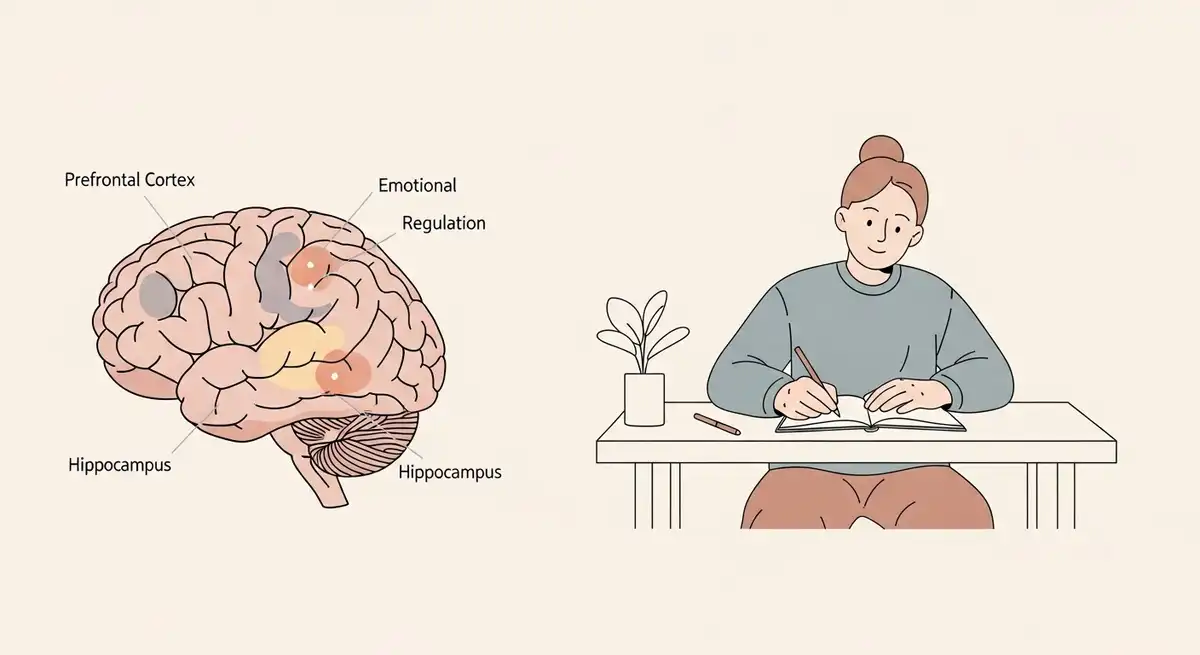
Rebuilding Self-Worth After a Breakup
Self-worth often feels shaken after relationship endings, especially when identity was closely tied to partnership. Breakups can trigger comparison or self-doubt. Wellness education emphasizes separating self-value from relationship outcomes.
Rebuilding self-worth involves reconnecting with values, interests, and abilities that exist independently. This process develops through action, not affirmation alone.
Self-worth recovery is gradual. Daily self-respecting choices build confidence over time.
Addressing internalized self-criticism
Self-criticism often increases after breakups due to perceived rejection. Replaying conversations or decisions can deepen distress without insight.
Observing critical thoughts without reinforcing them reduces their impact. Neutral self-talk supports learning without punishment.
Over time, reduced self-criticism allows confidence to return naturally.
Using affirmations responsibly
Affirmations are supportive reminders rather than guaranteed tools. Realistic statements that reflect effort feel more believable.
Pairing affirmations with action strengthens credibility. Affirmations reinforce consistency rather than emotional control.
Used responsibly, affirmations support self-compassion without denying complexity.
Managing Emotional Spirals and Rumination
Emotional spirals occur when thoughts and emotions reinforce each other repeatedly. Triggers such as memories can activate these loops. Wellness guidance emphasizes interruption, not suppression.
Grounding techniques redirect attention and reduce escalation. Emotional intensity usually decreases with regulation.
Practice matters more than perfection. Improvement happens gradually.
Visual interruption techniques
Visual interruption uses a mental cue to pause repetitive thoughts. This creates space between thought and reaction.
Attention is then redirected to a neutral activity. Repetition reduces rumination strength.
These techniques work best alongside routine support.
Refocusing on present activities
Present-focused actions engage sensory awareness. Simple activities like walking or organizing help regulate attention.
Refocusing does not erase thoughts. It prevents escalation.
Consistency supports emotional balance.
Daily Structure and Lifestyle Stability
Structure supports emotional steadiness after a breakup. Loss of routine often increases emotional unpredictability.
Predictable habits regulate sleep, nutrition, and activity. Stability supports adjustment.
Structure provides support, not emotional avoidance.
Behavioral activation in everyday life
Behavioral activation involves acting regardless of mood. Activity often precedes motivation.
Scheduled walks or meals create consistency. Over time, mood improves.
Action supports balance.
Sleep, nutrition, and physical care
Sleep affects emotional regulation. Consistent schedules support clarity.
Balanced meals stabilize energy. Hydration matters.
Physical care supports emotional resilience.
Mindfulness as a Supportive Lifestyle Practice
Mindfulness involves awareness without judgment. It supports observation, not control.
Mindfulness reduces reactivity. Awareness grows with practice.
It complements other habits.
Mindfulness in daily routines
Mindfulness fits into everyday activities. Sensory awareness grounds attention.
Short practices are sustainable. Integration matters.
Consistency supports steadiness.
Safe and realistic mindfulness expectations
Mindfulness is not a cure. It supports awareness.
Some days feel calm, others neutral. Both are normal.
Neutral expectations prevent frustration.
Parenting and Working Life Considerations
Breakups affect family and work life. Parents and professionals juggle responsibilities while adjusting emotionally.
Children benefit from routine and calm communication. Stability matters more than explanations.
Work routines provide structure.

Supporting children during a breakup
Consistency reassures children. Calm explanations suit their age.
Modeling regulation helps. Predictability builds safety.
Caregiver balance supports children.
Managing work responsibilities during recovery
Work focus may fluctuate. Prioritizing tasks helps.
Boundaries support workload. Breaks restore focus.
Structure aids recovery.
Expanded Frequently Asked Questions
How do I let go of someone I still love?
Letting go usually involves accepting ongoing feelings while changing behaviors that maintain distress. Emotional attachment often fades gradually rather than disappearing. Many people find that distance, routine, and reflection support emotional separation over time.
How long does it take to move forward after a breakup?
Timelines vary depending on relationship length, support, and coping style. Emotional intensity often decreases over weeks or months. Gradual improvement is common with steady routines and awareness.
Why do breakups feel physically painful?
Emotional stress can influence sleep, appetite, and energy. These sensations reflect nervous system activation. They are usually temporary.
Does limiting contact help emotional recovery?
Limiting contact reduces triggers. This creates space for emotional settling. It is commonly used as temporary support.
How can mindfulness help after a breakup?
Mindfulness supports awareness without reaction. It helps observe emotions calmly. Many use it as supportive practice.
Can breakups affect confidence?
Confidence may dip due to identity shifts. Reconnecting with values helps. Confidence returns gradually.
Is it normal to think about an ex frequently?
Frequent thoughts are common early on. They often lessen as routines stabilize.
Should I date again quickly?
Timing varies. Many wait for emotional clarity. This supports healthier connections.
When should professional support be considered?
Support may help if distress interferes with daily life for long periods. Seeking help is valid.
Can routines really help emotional recovery?
Routines provide structure during uncertainty. They support regulation. Balance improves over time.
Editorial Conclusion
Moving forward after a breakup is a gradual adjustment shaped by awareness, routine, and patience. Wellness education emphasizes steadiness over urgency, recognizing emotional change unfolds through daily habits. With time and support, clarity and balance often return.
Medical Disclaimer
This article provides general wellness information and is not a substitute for professional mental health care. It does not diagnose or treat conditions. If emotional distress persists or worsens, consult a licensed mental health professional or qualified healthcare provider.
For wider background on this, see the American Psychological Association on stress.