
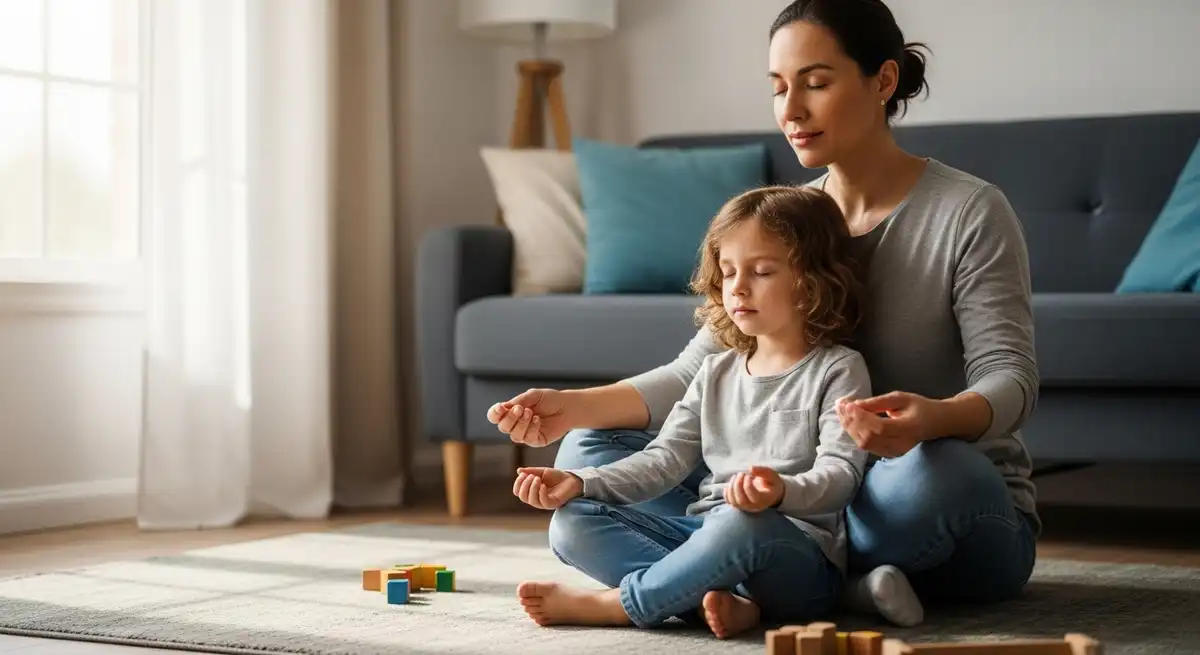
Many parents observe that children respond intensely to everyday situations such as schedule changes, school pressure, or social challenges. Emotional awareness has gained attention as families manage busy routines alongside rising expectations and constant stimulation. Mindfulness is often used as a practical lifestyle approach that supports children in noticing emotions clearly, without framing feelings as problems or signs of failure.
Raising emotionally aware kids through mindfulness centers on everyday habits rather than correction or control. The focus remains on noticing emotions, naming experiences, and responding calmly within real family routines. When practiced steadily, mindfulness-based awareness supports emotional language, patience, and self-regulation in ways that fit naturally into daily life.
This guide explains emotional awareness and mindfulness in an educational, non-clinical way. All information is presented as general wellness guidance rather than treatment. The aim is to help families understand how emotional skills commonly develop and how mindfulness is safely used as a supportive lifestyle practice.
Raising emotionally aware kids: Understanding Emotional Awareness in Childhood
Emotional awareness in childhood refers to a child’s ability to notice feelings, recognize emotional patterns, and understand how emotions influence actions. This awareness develops gradually through language exposure, caregiver responses, and repeated emotional experiences. Children with stronger emotional awareness often communicate needs more clearly and recover more steadily from everyday frustrations.
Emotional awareness does not remove emotional intensity or prevent difficult feelings. Instead, it supports understanding what emotions signal and how they change over time. In family settings, this awareness helps children pause, seek reassurance, and return to balance after disappointment, excitement, or conflict.
Wellness educators often explain that emotional awareness grows through relationships rather than instruction alone. Children learn emotional understanding by observing how adults respond to stress, mistakes, and emotions. A calm and predictable environment supports this learning more effectively than correction or emotional dismissal.
The Role of Mindfulness in Emotional Development
Mindfulness is commonly described as paying attention to present experiences with openness and care. In family life, mindfulness is less about formal practice and more about slowing interactions and noticing what is happening internally and externally. This attentional skill supports emotional awareness by creating space between feeling and reaction.
For children, mindfulness is usually introduced through simple awareness activities involving breathing, movement, or sensory focus. These activities help children notice physical cues such as restlessness or tightness that often appear before emotional reactions. Over time, this awareness supports more thoughtful responses to everyday challenges.
Mindfulness is generally understood as a supportive lifestyle habit, not a solution for emotional difficulties. It does not remove stress or emotions but helps children relate to experiences with greater clarity. When used consistently, mindfulness supports emotional understanding without placing responsibility or pressure on children to remain calm.
Brain-Based Foundations Explained Simply
Children’s emotional reactions are influenced by developing brain systems that respond quickly to perceived stress or change. Lower brain areas react rapidly, while higher brain areas support reasoning and impulse control. Mindfulness-based awareness supports coordination between these systems through repeated attention practice.
When children notice breathing or body sensations, attention shifts away from automatic reactions toward conscious awareness. This process supports emotional pausing rather than emotional suppression. In daily routines, this may look like taking a breath before speaking or noticing discomfort before reacting physically.
Brain development occurs gradually and varies across children. Mindfulness does not speed development but supports healthy attention patterns. Families often use simple explanations to normalize emotional reactions rather than labeling them as misbehavior or personal weakness.
Mindful Parenting as a Lifestyle Orientation
Mindful parenting emphasizes how adults respond to children’s emotions rather than trying to control emotional expression. This approach focuses on presence, listening, and emotional curiosity during everyday interactions. Parents using mindful awareness often prioritize understanding emotional needs before addressing behavior.
Mindful parenting does not remove boundaries or expectations. Instead, it supports consistent guidance delivered calmly and clearly. Children benefit from knowing that emotions are acknowledged even when limits remain firm and predictable.
In everyday life, mindful parenting appears in small moments rather than structured exercises. Pausing before responding, reflecting emotions aloud, and maintaining steady routines all contribute to emotional learning. These habits support trust and emotional safety over time.
Emotional Curiosity Over Emotional Judgment
Emotional curiosity involves noticing feelings without labeling them as good or bad. This approach helps children feel accepted during emotional experiences instead of evaluated. When adults respond with curiosity, children learn that emotions are temporary signals rather than problems.
Judgment-focused responses often aim to stop emotions quickly. Emotional curiosity focuses on understanding what the emotion communicates. This shift supports emotional awareness by reducing fear around emotional expression.
In daily family life, emotional curiosity may involve naming observations and offering reassurance. Calm acknowledgment helps children connect internal sensations with emotional language. Over time, this approach supports openness and emotional communication.
The Importance of Repair and Emotional Accountability
Emotional missteps occur naturally in family life, especially during stressful moments. Repair refers to acknowledging these moments and restoring connection afterward. This process supports emotional learning by modeling responsibility and care.
When adults acknowledge raised voices or impatience calmly, children learn that mistakes happen within relationships. Repair emphasizes reconnection rather than blame or shame. This supports emotional resilience by showing that relationships remain secure during emotional strain.
In practice, repair often involves brief acknowledgment and reassurance. These interactions show children that emotional awareness includes accountability without criticism. Over time, children apply these patterns in friendships and social settings.
The RULER Framework in Everyday Language
The RULER framework describes five emotional skills that support emotional awareness and regulation. These include recognizing emotions, understanding causes, labeling feelings, expressing emotions appropriately, and regulating responses. Families often apply these skills informally through conversation and reflection.
Recognizing emotions involves noticing facial expressions, tone, and body language. Understanding emotions connects feelings to situations and experiences. These steps help children make sense of emotions without becoming overwhelmed.
Labeling, expressing, and regulating emotions develop gradually. Mindfulness supports these skills by slowing interactions and increasing attention. Over time, children build emotional vocabulary and flexible coping strategies.
Recognizing Emotions Through Observation
Emotion recognition begins with noticing physical and behavioral cues. Children learn to identify changes in breathing, posture, or voice linked to emotions. This awareness supports earlier recognition before emotions intensify.
Parents often support recognition by describing observations neutrally. Simple descriptions help children connect sensations with emotions. This approach builds awareness without interpretation or correction.
With repeated exposure, children begin recognizing emotional cues independently. This skill supports self-awareness and social understanding. Over time, children become more attuned to both personal and shared emotional signals.
Understanding Emotional Causes and Patterns
Understanding emotions involves linking feelings to events, thoughts, or unmet needs. This awareness supports predictability and reduces confusion about reactions. Children who understand emotional causes often feel less overwhelmed.
Parents may support understanding through calm reflection after emotional moments. Discussing what happened helps connect emotions to experiences. This process supports learning without pressure.
Over time, recognizing emotional patterns helps children anticipate challenges. This awareness supports confidence and adaptability. Emotional understanding grows through repeated calm conversations.
Labeling Emotions With Precision
Labeling emotions accurately supports emotional regulation by reducing intensity. Naming feelings helps children process experiences more clearly. Emotional vocabulary expands gradually through exposure and modeling.
Parents often introduce new emotional language through stories or daily conversation. More precise words reduce frustration caused by unclear expression. Children gain tools for communicating experiences.
Accurate labeling supports social interaction and self-advocacy. Children who express emotions clearly experience fewer misunderstandings. Emotional language becomes a practical everyday skill.
Expressing Emotions Safely and Respectfully
Emotional expression involves sharing feelings in ways that maintain relationships. Children learn appropriate expression by observing adult behavior. Mindfulness supports expression by increasing awareness before reacting.
Parents model respectful expression through calm language and boundaries. This shows children that emotions are accepted while certain behaviors are guided. Over time, children shift from action-based expression to verbal communication.
Safe expression supports social development and cooperation. Children who feel heard are more likely to problem-solve. These skills grow through consistent modeling.
Regulating Emotions With Mindful Support
Emotional regulation involves managing reactions to support daily functioning. Mindfulness-based practices support regulation by encouraging awareness and pauses. These practices do not remove emotions but support steady navigation.
Regulation strategies differ by age and temperament. Some children prefer movement, others quiet attention. Mindfulness supports flexibility by offering options.
Over time, children learn which strategies suit them best. This awareness supports independence and confidence. Regulation skills strengthen with repetition.
Breathing-Based Awareness Practices
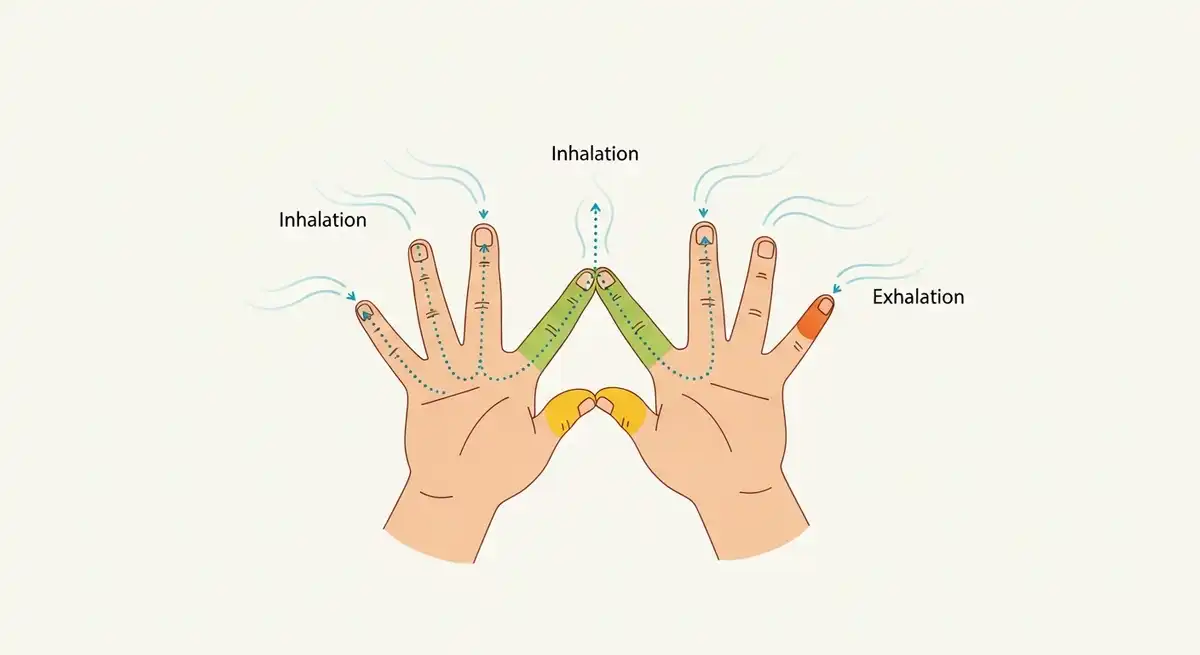
Breathing practices are commonly used to support calm attention. These involve noticing breath movement without force. Gentle breathing supports regulation by engaging the body’s calming response.
In family routines, breathing practices are brief and playful. Imagery or hand movements maintain engagement. Calm practice builds familiarity.
With time, children may use breathing independently. This supports self-soothing and emotional awareness. Breathing awareness is considered a safe lifestyle support.
Visualization and Imaginative Awareness
Visualization involves imagining calming or supportive scenes. Children often engage easily with guided imagery that includes sensory detail. This practice supports emotional settling.
Families often use visualization during transitions or bedtime. Short sessions help children associate imagery with calm states. This supports emotional regulation gently.
Visualization supports imagination and emotional safety. Children may return to images independently. This practice is commonly used for relaxation.
Body Awareness and Grounding
Body awareness practices involve noticing sensations such as tension or movement. These practices connect emotions to physical signals. Awareness supports earlier emotional recognition.
Grounding activities often include movement or sensory focus. Attention returns to the present moment. This reduces escalation.
In daily routines, grounding is simple and brief. Over time, children become more aware of bodily cues. This supports regulation.
Integrating Mindfulness Into Daily Routines
Mindfulness works best when woven into routines. Families often include awareness during meals, play, or bedtime. These moments support consistency.
Mindful routines emphasize presence rather than performance. Slowing activities supports emotional connection. Pressure remains low.
Short, repeated moments build habits. Mindfulness becomes part of family culture. Emotional learning happens naturally.
Mindful Mealtime Practices
Mindful mealtime practices involve noticing eating experiences. Families may focus on taste or shared conversation. Presence supports connection.
Slower pacing supports awareness of hunger and fullness. This encourages self-regulation without rules. Emotional awareness develops gently.
Over time, mindful meals support communication. These routines offer predictable connection. Emotional learning occurs naturally.
Bedtime Mindfulness and Emotional Settling
Bedtime routines influence emotional regulation. Mindful bedtime practices signal transition and calm. Predictability supports settling.
Families may include breathing or reflection. These activities help process the day. Emotional awareness supports closure.
Consistency strengthens associations. Children link bedtime with calm. This supports rest and regulation.
Conflict Awareness and Emotional Learning
Conflict is a normal part of family life. Mindfulness supports calmer conflict navigation. Pausing reduces impulsive reactions.
Parents often guide calming first. Reflection follows. This supports respectful resolution.
Children learn conflict does not threaten connection. Emotional resilience develops. These experiences support confidence.
Allowing Emotions Without Fixing
Allowing emotions involves staying present without solving discomfort immediately. This supports tolerance and awareness. Children learn emotions pass.
Parents acknowledge feelings calmly. Reassurance is offered without dismissal. Security remains.
Over time, children build confidence with emotions. Resilience strengthens. This aligns with mindful awareness.
Parenting and Working Life Balance
Parents balancing work and caregiving face emotional strain. Mindfulness supports realistic expectations. Awareness supports regulation.
Small practices fit into transitions. Emotional carryover reduces. Presence increases.
Mindfulness emphasizes attention quality. Emotional awareness benefits families. Practices remain practical.

Emotional Awareness in School-Age Children
School-age children face academic and social demands. Emotional awareness supports navigation. Mindfulness supports focus.
Parents support reflection. Calm discussion helps processing. Confidence grows.
Children handle setbacks more steadily. Relationships improve. Emotional skills support learning.
Emotional Awareness in Younger Children
Young children experience emotions intensely. Awareness develops through modeling. Mindfulness adapts to age.
Simple language and play support attention. Expectations remain low. Learning unfolds naturally.
Children begin naming feelings. Awareness grows. Mindfulness supports gently.
Frequently Asked Questions
How mindfulness supports emotional awareness in children
Mindfulness supports emotional awareness by helping children notice feelings as they arise. Awareness creates space between emotion and reaction. With time, children recognize patterns and respond more thoughtfully during daily situations.
How parents introduce mindfulness safely at home
Parents often introduce mindfulness through short, playful activities. Focus remains on awareness rather than performance. Gentle consistency supports comfort and engagement.
How emotional awareness differs from emotional control
Emotional awareness focuses on understanding feelings. Emotional control emphasizes stopping emotions. Awareness supports expression and regulation without suppression.
How long mindfulness practices are typically used daily
Mindfulness practices are usually brief. Many families use one to five minutes at a time. Regularity matters more than duration.
How mindfulness fits into busy family schedules
Mindfulness fits into existing routines. Activities occur during meals or transitions. This supports sustainability.
How children respond differently to mindfulness
Children respond based on temperament. Some prefer movement, others quiet focus. Flexibility supports engagement.
How emotional awareness supports resilience
Emotional awareness helps children recover steadily. Understanding emotions reduces overwhelm. Resilience grows gradually.
How parents model emotional awareness
Parents model awareness through calm language and reflection. Children observe these patterns. Modeling supports learning.
How mindfulness supports communication
Mindfulness slows interaction. Listening improves. Communication becomes clearer.
How mindfulness remains non-therapeutic
Mindfulness is a lifestyle practice. It does not replace professional care. It supports everyday awareness.
Conclusion
Raising emotionally aware kids through mindfulness involves steady attention to emotions within daily life. These practices support understanding and communication without promising outcomes. When integrated gently, mindfulness-based awareness supports emotional development in a realistic, safe, and family-centered way.
Medical Disclaimer
This content is for informational purposes only and does not constitute medical or mental health advice. It is not intended to diagnose, treat, cure, or prevent any condition. Consult a qualified healthcare or mental health professional for individual guidance.
For wider background on this, see the American Psychological Association on stress.